
Mass Delays Snarl Easter Travel at Chicago O'Hare Hub
Chicago O'Hare faces unprecedented Easter travel disruption in 2026 as severe thunderstorms collide with peak holiday demand, stranding thousands of passengers and triggering over 15,000 delays nationwide.

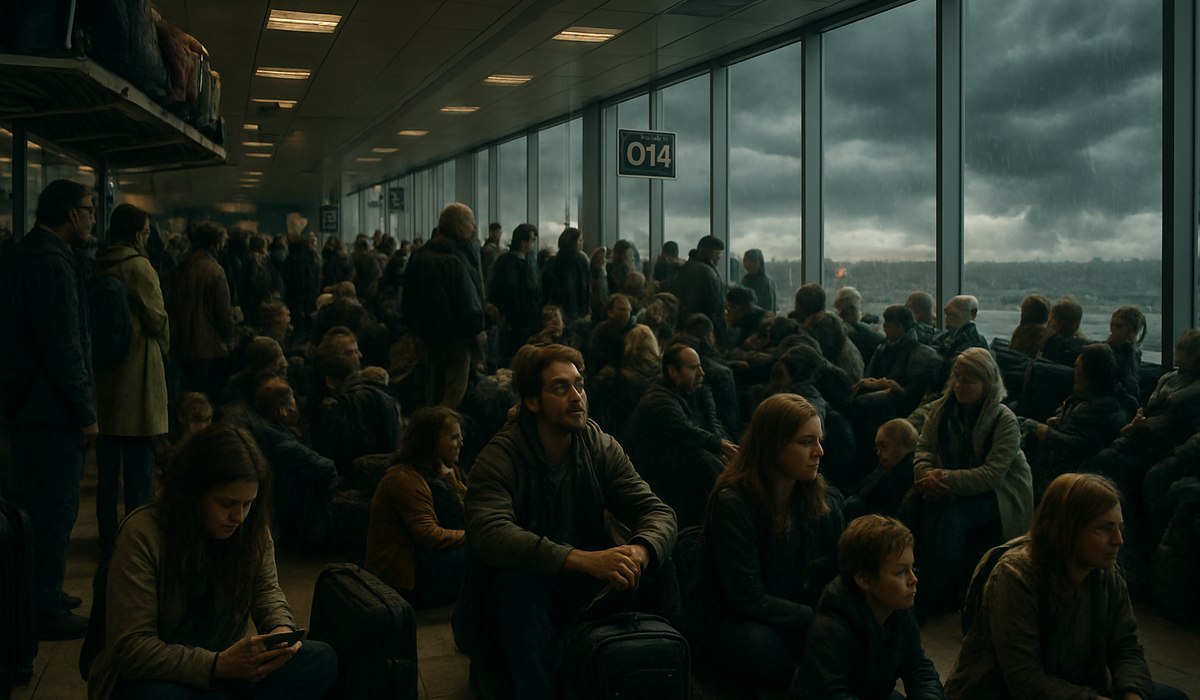
Image generated by AI
Easter Chaos Unfolds at Chicago O'Hare as Weather and Demand Collide
Chicago O'Hare International Airport has become the epicenter of Easter travel disruption across North America as severe Midwest thunderstorms compound capacity constraints and peak holiday demand. Thousands of passengers remain stranded across terminals, with cascading cancellations and delays affecting major carriers and destinations from coast to coast. On Monday, April 6, 2026, the airport recorded 447 delayed flights and 11 cancellations in a single day, part of a broader pattern that has generated over 15,000 delays nationally since Thursday.
The mass delays snarl has exposed vulnerabilities in the aviation system during one of the year's busiest travel periods, forcing airlines to issue weather waivers and scramble to reposition aircraft and crews across their networks.
Holiday Rush Collides With Severe Weather and Congestion
The Easter travel period represents one of North America's peak migration moments, with millions of passengers booking flights to reconnect with family or pursue spring break vacations. Chicago O'Hare, serving as a primary hub for American Airlines and United Airlines, typically operates at near-maximum capacity during these weeks.
Beginning Thursday and intensifying through Easter Sunday, a series of powerful thunderstorms swept across the Illinois region, bringing low clouds, heavy rain, and dangerous wind shear. The Federal Aviation Administration responded by implementing multiple ground stops and ground delay programs that held aircraft at departure airports and sharply curtailed arrivals into O'Hare.
When weather forces such restrictions onto a fully booked schedule, recovery becomes mathematically difficult. Aircraft that should depart at 10:00 AM now leave at 2:00 PM, missing subsequent connections. Flight crews exceed duty-time limits. Passengers arrive at different hubs than planned, triggering cascading misconnections. The airport's tight scheduling margins, designed to maximize efficiency, instead accelerate disruption propagation.
According to FlightAware tracking data and FAA advisories, the mass delays snarl extended well beyond Chicago itself, affecting major hubs including Dallas Fort Worth, Atlanta, and Houston where connecting passengers couldn't reach their destinations.
Hundreds of Flights Disrupted in a Single Day
On Monday alone, Chicago O'Hare reported 447 delayed flights—defined by federal standards as departures or arrivals more than 15 minutes behind schedule. Many flights experienced delays far exceeding this threshold, with passengers reporting multiple rolling delay announcements and tarmac waits spanning hours.
Weekend figures painted an even grimmer picture. At its peak, the airport faced over 600 delayed flights and dozens of cancellations simultaneously, placing O'Hare among the most disrupted airports in the continental United States. The sheer volume of affected passengers overwhelmed terminal facilities, gate agents, and ground crews, creating downstream confusion that persisted even as weather conditions improved.
The disruption extended to airlines' European and Asian operations. A single canceled flight from Chicago to London creates a cascading effect—the aircraft never reaches London, crews miss their scheduled rest periods, and the following day's transatlantic services face availability constraints. This systemic ripple explains why mass delays snarl headlines consistently reference nationwide impact rather than localized disruption.
American Airlines and United Airlines, both operating massive hub operations from O'Hare, issued broad weather-related travel waivers allowing passengers to rebook without fees across their networks. However, rebooking options proved severely limited given widespread capacity constraints across major carriers.
Staffing Shortages Amplify Weather Vulnerability
Beyond meteorological disruption, structural capacity constraints have weakened the system's resilience. The Chicago Air Route Traffic Control Center, which manages high-altitude traffic throughout the region, has operated with controller staffing below optimal levels. In late March 2026, a 90-minute ground delay occurred not from weather but from staffing limitations—a cautionary indicator of system fragility.
The FAA has acknowledged nationwide controller shortages affecting multiple key facilities. During severe weather, when controllers must implement traffic management programs and coordinate frequent changes, reduced staffing can delay decision-making and extend recovery timelines.
O'Hare itself ranks among the world's busiest airports by operations per hour. Dense arrival and departure waves compress multiple carriers' schedules into narrow hourly slots. Any reduction in runway capacity—whether from weather, equipment maintenance, or staffing—forces the FAA to issue traffic management initiatives affecting dozens of flights simultaneously.
This combination—staffing constraints, structural congestion, and severe weather—created a perfect storm during Easter 2026. Unlike a summer thunderstorm that might cause four-hour delays before clearing, this week's disruption encountered an already-stressed system with limited recovery capacity.
Nationwide Disruption Exceeds 15,000 Delays Across System
The mass delays snarl quickly transcended O'Hare, affecting passengers nationwide. By Sunday evening, aggregated data from aviation tracking services indicated over 15,000 delays across United States airports within a 72-hour window. Major hubs from Boston to San Francisco reported cascading delays as connecting traffic from O'Hare failed to arrive on time.
Airlines' crew scheduling systems became particularly stressed. A flight crew scheduled to operate three segments per day might complete only one due to O'Hare delays, forcing cancellations of subsequent flights. This human factor—crews running out of duty time—often extends disruptions beyond what purely mechanical factors would suggest.
According to the U.S. Department of Transportation, passenger complaints related to Easter 2026 travel disruptions will likely rank among the year's highest when monthly data is released. The sheer volume of affected passengers, combined with extended tarmac waits and overnight terminal stays, generates significant regulatory and consumer protection implications.
Traveler Action Checklist
If you're affected by mass delays snarl situations or Easter travel disruptions, follow these steps:
-
Check real-time status immediately using FlightAware or your airline's mobile app before heading to the airport.
-
Contact your airline directly via phone or social media rather than relying on airport information counters, which face overwhelming call volumes.
-
Request written confirmation of any weather waiver or rebooking offer from your airline before accepting alternative flights.
-
Document expenses including meals, hotel stays, and ground transportation—keep all receipts for potential reimbursement claims under DOT regulations.
-
Review airline and credit card protections regarding flight cancellations; some cards offer automatic rebooking assistance and delay compensation.
-
Rebook proactively across multiple carriers if your airline offers few options; competitive routings often depart sooner than direct alternatives.
-
Verify baggage connectivity if accepting a rebooking, as misconnected bags may require separate recovery efforts.
-
File formal complaints with the DOT if your airline fails to honor compensation rights or weather waiver terms.
What This Means for Travelers
The Easter 2026 disruptions at O'Hare underscore critical vulnerabilities in North American aviation. Easter travel demand peaks annually, yet air traffic control staffing and airport infrastructure haven't expanded proportionally. Severe weather—increasingly common in a changing climate—can expose these structural gaps rapidly.
For travelers planning holiday flights, mass delays snarl situations demand contingency planning. Build extra connection time into complex itineraries. Avoid tight same-day transfers during peak travel periods. Monitor weather forecasts independently rather than relying on airlines' initial statements. Consider whether business travel during Easter week remains necessary, or whether scheduling flexibility exists.
Most importantly, understand your passenger rights. Weather may excuse airlines from on-time performance guarantees, but doesn't eliminate obligations to accommodate passengers on alternative flights or provide meals and accommodations during extended delays. The DOT maintains clear guidance on these rights at its official consumer protection
Disclaimer
This article is for informational and educational purposes only. It does not constitute legal, financial, or professional advice. While we strive to provide accurate and up-to-date information, travel policies, regulations, and conditions change rapidly. Always verify information with official sources before making travel decisions. Nomad Lawyer makes no representations about the accuracy, reliability, completeness, or suitability of the information provided. Readers should consult qualified professionals for advice specific to their circumstances. The views expressed in this article are those of the author and do not necessarily reflect the views of Nomad Lawyer.
Preeti Gunjan
Contributor & Community Manager
A passionate traveller and community builder. Preeti helps grow the Nomad Lawyer community, fostering engagement and bringing the reader experience to life.
Learn more about our team →