
Maragondon Balsa River Cruise Emerges as Cavite's Quiet Escape in 2026
The Maragondon Balsa River Cruise in Cavite is gaining traction in 2026 as travelers seek slow-travel alternatives. This bamboo raft operation prioritizes sustainability and community livelihoods over mass-market tourism.

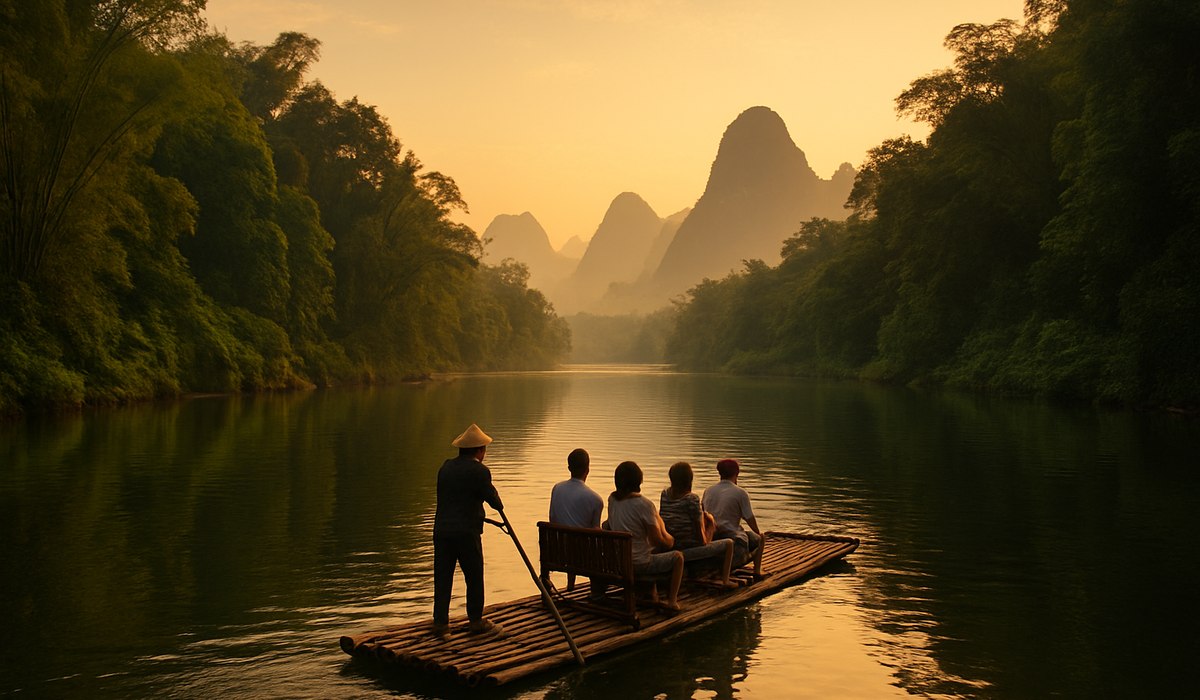
Image generated by AI
A Quiet Escape Reshaping Cavite's Tourism Landscape
The Maragondon Balsa River Cruise is steadily redefining how travelers experience Cavite's natural heritage. This modest bamboo raft operation along the Maragondon River offers a refreshing counterpoint to the province's crowded resort zones, attracting visitors who prioritize slow travel and authentic community engagement. What began as a small-scale local initiative has quietly evolved into a meaningful alternative tourism model, demonstrating how rural river towns can build sustainable livelihoods without surrendering to mass-market development pressures.
A River Town Turns to Eco-Friendly Cruising
Maragondon has traditionally earned recognition for its revolutionary history and mountain trekking trails rather than water-based attractions. Today, residents are strategically leveraging the Maragondon River—one of Cavite's most significant freshwater basins—as a centerpiece for thoughtful, community-centered recreation. The river cruise concept emerged organically from local needs: a way to create income opportunities while inviting visitors to experience the landscape authentically.
The Maragondon Balsa River cruise operates using locally constructed bamboo rafts and straightforward riverside infrastructure. This approach contrasts sharply with high-capacity commercial vessels, instead prioritizing manageable group sizes and intimate encounters with the natural environment. The initiative reflects a broader shift across Cavite, where less-developed barangays are experimenting with nature-based tourism designed to distribute visitor spending and economic benefits more equitably than traditional resort clusters.
Tourism operators have consciously sized operations to protect the river ecosystem while supporting local employment. This dispersed tourism model allows surrounding communities to participate directly in visitor experiences, from guiding services to food preparation and craft sales.
The Balsa Experience: Slow Travel on a Bamboo Raft
The core offering is elegantly simple: a two-hour journey aboard a wide, flat-bottomed bamboo raft drifting along a calm section of the Maragondon River. Travelers find themselves aboard traditional rafts featuring thatched roofing, wooden seating, and open sides that frame unobstructed views of the riverbank ecosystem.
Most packages accommodate groups of 10 to 15 passengers, with pricing structured per-raft rather than per-person. Itineraries typically include light refreshments—local pansit served on traditional bilao trays and bottled water—though visitors can arrange custom packages with operators. Some travelers prefer bringing their own provisions and converting the raft into a floating picnic venue.
The river section selected for cruising is characteristically wide and placid, ideal for relaxed sightseeing rather than thrill-seeking activities. Passengers observe nipa palms, riparian vegetation, and glimpses of everyday rural agriculture along both banks. The experience invites photography, conversation, and simple observation—core elements of what slow-travel enthusiasts seek.
Since operating schedules and inclusions fluctuate seasonally, travelers should coordinate directly with local operators or tourism authorities to confirm current departure times, capacity limits, and food arrangements before booking.
Beyond Mainstream: Cavite's Dispersed Tourism Model
The Maragondon Balsa River cruise functions as an entry point to a broader ecosystem of eco-oriented and soft-adventure activities. The town's proximity to upland hiking zones, eco-parks, and agri-tourism facilities allows visitors to design multi-day itineraries combining river experiences with farm visits, heritage exploration, and rustic accommodation.
Riverside accommodations—from glamping tents to riverside cabins—position travelers within arm's reach of the water, complete with viewing decks, hammocks, and landscaped pathways descending to the riverbank. Nearby attractions include the Bonifacio Shrine and Eco-Tourism Park and several mountain trails favored by day hikers and history-focused visitors. Tourism planners increasingly frame Maragondon as part of a growing ring of accessible nature getaways within 60 kilometers of Metro Manila, where river cruises, farms, and low-key outdoor activities appeal to families and small groups seeking alternatives to conventional resort stays.
This approach extends visitor length-of-stay while diversifying local revenue streams across multiple service categories.
What to Expect: Practicalities for the Slow Traveler
Planning a Maragondon Balsa River cruise requires advance coordination with local operators. Seasonal variations affect water levels, crowd patterns, and operating schedules. The experience suits travelers comfortable with rustic facilities and unstructured leisure time.
Typical visits include transportation to the departure point (confirm whether pickup from nearby towns is available), the two-hour raft journey, and basic refreshments. Physical demands are minimal—the activity requires sitting and minimal mobility. Weather considerations are important; typhoon season (June–November) can impact operations, so spring and dry-season travel (December–May) is generally recommended.
Accommodation options range from simple riverside cottages to farmstays offering organic meal experiences. Many visitors combine their river cruise with hiking, farm tours, or stays at eco-parks managed by local associations. Costs are notably lower than comparable experiences in more commercialized Philippine destinations, typically reflecting fair-trade pricing that ensures operator and community benefit.
For current booking details, group rates, and seasonal availability, contact local tourism offices or established eco-tourism networks serving Cavite municipalities.
Cruise Itinerary at a Glance
| Aspect | Details |
|---|---|
| Operator | Local Maragondon River Communities & Eco-Tourism Operators |
| Duration | Approximately 2 hours |
| Group Size | 10–15 passengers per raft |
| River Section | Calm, placid stretch of Maragondon River |
| Included Amenities | Thatched bamboo raft, basic refreshments, local snacks |
| Best Season | December–May (dry season) |
| Typical Cost | Per-raft pricing; confirm with operators |
| Booking Lead Time | 3–7 days recommended; seasonal variations apply |
| Accessibility | Minimal physical demands; suitable for most fitness levels |
| Parking & Transport | Local arrangement; inquire about pickup availability |
What This Means for Travelers
1. Authentic slow travel is becoming accessible: The Maragondon Balsa River cruise proves that meaningful travel experiences don't require luxury infrastructure. By prioritizing substance over amenities, travelers access genuine community interaction and natural beauty at modest costs.
2. Economic benefit reaches rural communities directly: Unlike resort-concentrated tourism, dispersed models like Maragondon ensure visitor spending supports local families, small operators, and community development initiatives. Choosing such experiences amplifies your positive impact.
3. Eco-consciousness is no longer niche: Sustainable tourism has shifted from lifestyle choice to mainstream expectation. The Maragondon model demonstrates that environmental stewardship and economic viability coexist when communities lead their own tourism planning.
4. Regional alternatives reduce overtourism pressure: As travelers discover quieter options within Metro Manila's periphery, pressure on over-burdened destinations decreases. Supporting emerging destinations like Maragondon helps distribute tourism's environmental and social footprint more equitably.
5. Multi-day regional itineraries replace single-destination stays: Combining the river cruise with farm visits, hiking, and eco-park experiences creates richer narratives than isolated resort experiences, encouraging longer visits that deepen cultural understanding.
Frequently Asked Questions
What's the best time to visit the Maragondon Balsa River Cruise?
December through May offers optimal conditions, with lower rainfall, better water clarity, and established operator schedules. June through November brings typhoon risk and potential operational disruptions. Always confirm current conditions with local
Disclaimer
This article is for informational and educational purposes only. It does not constitute legal, financial, or professional advice. While we strive to provide accurate and up-to-date information, travel policies, regulations, and conditions change rapidly. Always verify information with official sources before making travel decisions. Nomad Lawyer makes no representations about the accuracy, reliability, completeness, or suitability of the information provided. Readers should consult qualified professionals for advice specific to their circumstances. The views expressed in this article are those of the author and do not necessarily reflect the views of Nomad Lawyer.
Preeti Gunjan
Contributor & Community Manager
A passionate traveller and community builder. Preeti helps grow the Nomad Lawyer community, fostering engagement and bringing the reader experience to life.
Learn more about our team →