
Malpensa Airport Chaos: 142 Flights Delayed, 2 Cancelled as Lufthansa, easyJet, British Airways Gridlock Milan Hub June 2026
Milan's Malpensa International Airport descended into operational chaos on June 5, 2026, with 142 flight delays and 2 cancellations across Lufthansa, easyJet, and British Airways, stranding hundreds of passengers.

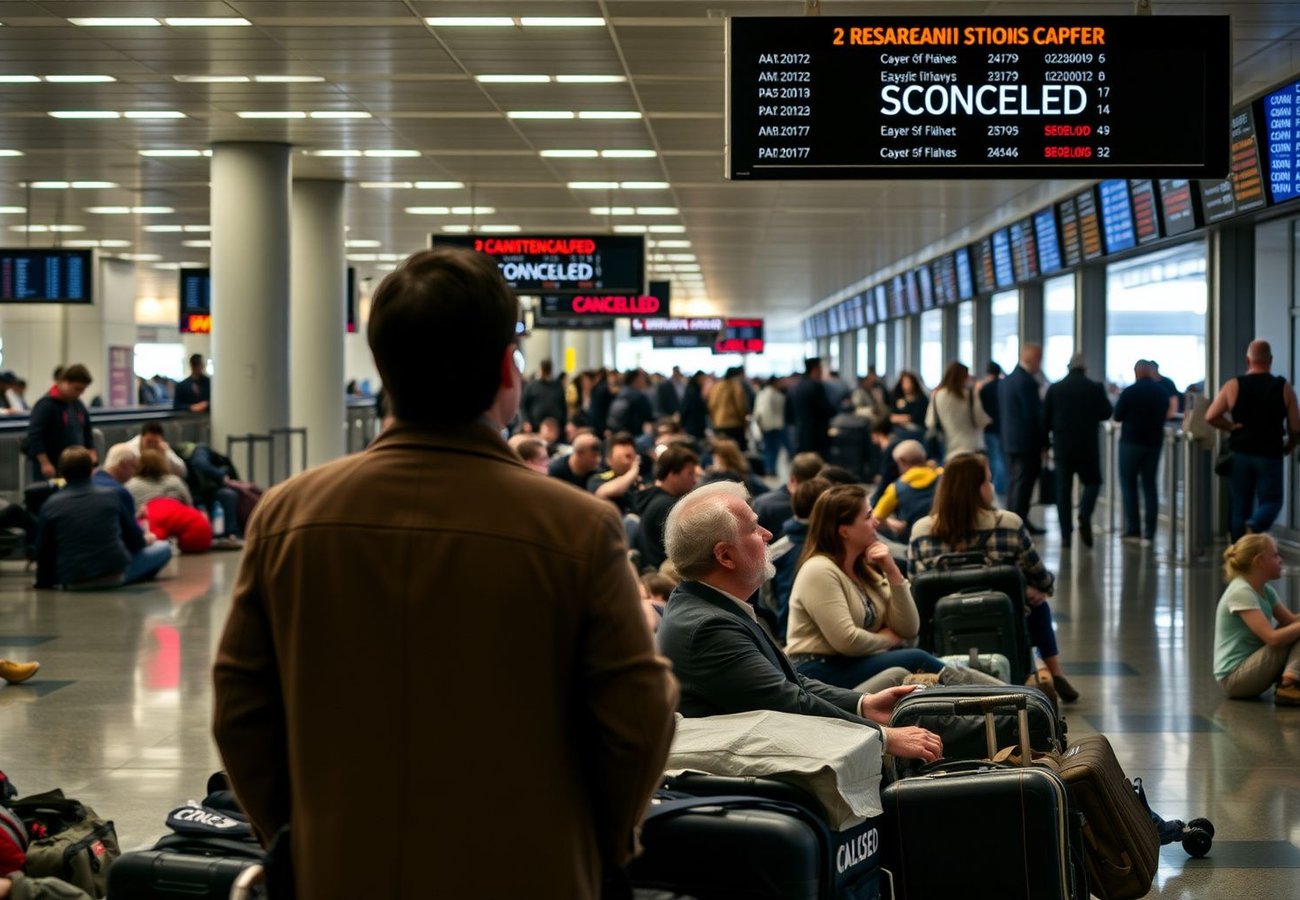
Image generated by AI
Milan's Malpensa International Airport came to a standstill on June 5, 2026. What started as a typical morning cascaded into operational chaos that left hundreds of passengers stranded, thousands of travel plans derailed, and the entire European aviation system reeling from a single point of failure.
The numbers tell a stark story: 142 flight delays and 2 cancellations across the airport's busiest carriers—Lufthansa, easyJet, and British Airways—all within a single operating day. For a major European hub serving Milan's fashion capital and connecting Europe to Asia, the Middle East, and beyond, this wasn't just an inconvenience. It was a catastrophic breakdown in one of continental aviation's most critical arteries.
The Operational Breakdown: A Systemic Failure
The disruption wasn't confined to a single airline or a single route. According to real-time flight tracking data from FlightAware, the delays were distributed across carriers operating from every corner of Europe and beyond.
Lufthansa bore the brunt of the cancellations—2 flights removed entirely from the schedule—while simultaneously maintaining a 30% delay rate on its remaining operations. For a carrier operating dozens of daily rotations through Malpensa, this represented a significant operational hit.
easyJet, Europe's largest low-cost carrier, recorded 38 delayed flights, which represented roughly 26% of its total daily operations through the airport. That's not a rounding error. That's systematic dysfunction.
But here's where it gets worse. Aegean Airlines and British Airways each recorded 80% delay rates, meaning only 1 in 5 of their scheduled flights departed on time. Even more striking: Condor reported a 66% delay rate, while carriers including Etihad Airways, Eurowings, and Cambodia Airways experienced 100% delays—meaning not a single flight operated by these carriers left Malpensa on schedule.
Reddit: "Sat in the gate for 5 hours at Malpensa with no updates. Airlines just... stopped communicating. You're paying €200 for a flight and getting treated like livestock." — r/travel
This wasn't isolated disruption. This was systemic strain crushing an entire airport's capacity.
Geographic Impact: From London to Dubai
The ripple effects radiated outward across the continent and beyond. Flights destined for London, Paris, and Athens—Europe's most trafficked leisure routes—experienced cascading delays as inbound traffic from Malpensa couldn't clear boarding gates. Long-haul passengers heading to Dubai, Asia, and Middle Eastern hubs faced the additional nightmare of potentially missing international connections.
For business travelers with tight schedules, the impact was immediate and financial. For families planned to arrive at beach destinations that evening, the delay meant lost hotel nights and ruined itineraries. For business conferences in London or Paris, hundreds of attendees simply never showed.
The geographic distribution of affected destinations tells the story of how critical Malpensa is to European connectivity. This wasn't a Rome problem or a Venice problem. This was a continental problem radiating from Milan.
The Human Cost: Passengers Left Adrift
While airlines and airport authorities debate root causes, the human reality on the ground was raw and immediate.
Several hundred passengers were directly affected by the disruptions, according to airport advisories. Early morning delays compounded into afternoon chaos as connecting passengers missed onward flights. Families heading on holiday—packed with excitement just hours earlier—found themselves in crowded terminals with no communication, no rebooking, and no clear timeline for departure.
Elderly passengers required medical attention. Pregnant travelers feared complications from stress and extended travel times. Business travelers watched their meetings slip away, their opportunities evaporate, their quarterly targets become unreachable because of a single day's operational failure at one airport.
The airport's suggested remedy—checking flight status online before arriving—rang hollow for travelers already standing in terminal queues.
Economic Shockwaves: Tourism and Commerce at Risk
Milan isn't just any European city. The Lombardy region is a €650 billion economic engine driving Italy's commerce, fashion, design, and culture. Malpensa is the gateway through which international visitors, fashion buyers, business delegates, and tourists enter this ecosystem.
When Malpensa breaks, Milan's economy breaks.
Tour operators reported fielding hundreds of calls from stranded passengers. Hotels in Milan lost confirmed bookings as passengers diverted to alternative routes through Rome or other hubs. Fashion retailers expecting international business clients during peak season saw those meetings cancelled. Cultural institutions saw tour groups fail to arrive.
"Connectivity is essential not just for tourism but for economic engagement on all fronts," according to officials from Lombardy's tourism board. For a region competing globally with Paris, London, and Barcelona for international visitors, unreliable air transport is a competitive knife wound.
According to analysis from the European Commission on aviation connectivity's impact on tourism, major hub disruptions reduce international visitor arrivals by 15-25% in the following quarter if they're perceived as systemic rather than one-off incidents. Passengers remember delays. They book elsewhere next time.
What Actually Happened? The Unanswered Question
Malpensa authorities haven't released detailed findings on root causes. The standard explanations circulate through aviation circles: air traffic control constraints, adverse weather, crew scheduling failures, cascading disruptions from other European hubs.
Given the scale and distribution of delays affecting both short-haul regional carriers and long-haul intercontinental operators, the cause was almost certainly multifactorial. Weather doesn't typically create 100% delay rates across all carriers. ATC constraints rarely affect low-cost carriers and legacy carriers proportionally. This points to either a catastrophic IT failure, a ground operations breakdown, or a security incident affecting terminal access.
The lack of transparent communication from airport authorities only deepened passenger frustration and raised questions about operational transparency that European aviation regulators will certainly be asking privately.
Passenger Rights and Regulatory Framework
Italian civil aviation law provides specific passenger protections under European Regulation (EC) No 261/2004. For flights delayed more than 3 hours, passengers are entitled to €250-€600 in compensation, depending on flight distance. For cancelled flights, passengers have rights to reimbursement or rebooking on alternative carriers.
The challenge: proving the cause. Airlines typically claim "extraordinary circumstances" (weather, ATC delays, security threats) to exempt themselves from compensation obligations. With Malpensa's official silence on root causes, passengers will face an uphill battle securing compensation.
Legal analysts suggest affected passengers should file claims immediately with their booking platforms and credit card issuers, document all expenses incurred during delays (meals, hotels, transportation), and consider hiring aviation law specialists if pursuing compensation exceeds €2,000.
The Recovery and What's Next
By evening on June 5, flight tracking data showed gradual operational improvement. Airlines worked through the night rescheduling affected passengers. Most delays were absorbed rather than cancelled—a small mercy for those still desperate to reach their destinations.
The real question: Will Malpensa learn from this collapse, or will June 5, 2026 become the first of several disruption events that damage the airport's reputation and Milan's competitive position in European aviation?
With Italy entering peak summer travel season, the pressure to restore confidence in Malpensa's operations is acute. Airlines, ground handlers, and airport authority officials face mandatory operational audits and capacity reviews. Passengers, meanwhile, will likely shift bookings to alternative Milan routes or rival airports for months.
Lessons for Travelers: Protect Yourself
This incident underscores a harsh reality: major European airports can fail catastrophically, and you need contingency planning.
Track flights in real-time using FlightAware's official live tracking system. Arrive at airports 4 hours before international flights (not 3) during peak season. Document every expense incurred during delays—receipts matter for compensation claims. Consider travel insurance that covers flight delays and airline failures. Book return flights on different airlines when possible, so a single carrier's collapse doesn't trap you.
Most critically: maintain flexibility. The travelers who fared best on June 5 weren't those rigidly adhering to original itineraries. They were those who quickly pivoted to alternative carriers, different airports, or different travel dates when Malpensa collapsed.
Milan's connectivity crisis is a reminder that modern aviation's complexity creates fragility—and savvy travelers must plan accordingly.
Related Travel Guides
- Military Aviation Escalation: How Nations Deploy Fighter Jets When Conflicts Intensify
- American Airlines Celebrates 100 Years of Aviation Excellence with Landmark 100th Boeing 737 MAX Delivery Unleashing Global Fleet Connectivity
- Alaska Airlines Faces Legal Action After Severe In-Flight Turbulence Injures Passengers and Crew
Disclaimer
This article is for informational and educational purposes only. It does not constitute legal, financial, or professional advice. While we strive to provide accurate and up-to-date information, travel policies, regulations, and conditions change rapidly. Always verify information with official sources before making travel decisions. Nomad Lawyer makes no representations about the accuracy, reliability, completeness, or suitability of the information provided. Readers should consult qualified professionals for advice specific to their circumstances. The views expressed in this article are those of the author and do not necessarily reflect the views of Nomad Lawyer.
Kunal K Choudhary
Co-Founder & Contributor
A passionate traveller and tech enthusiast. Kunal contributes to the vision and growth of Nomad Lawyer, bringing fresh perspectives and driving the community forward.
Learn more about our team →