
Alaska Airlines Faces Legal Action After Severe In-Flight Turbulence Injures Passengers and Crew
Breaking airline news and aviation industry updates for 2026.

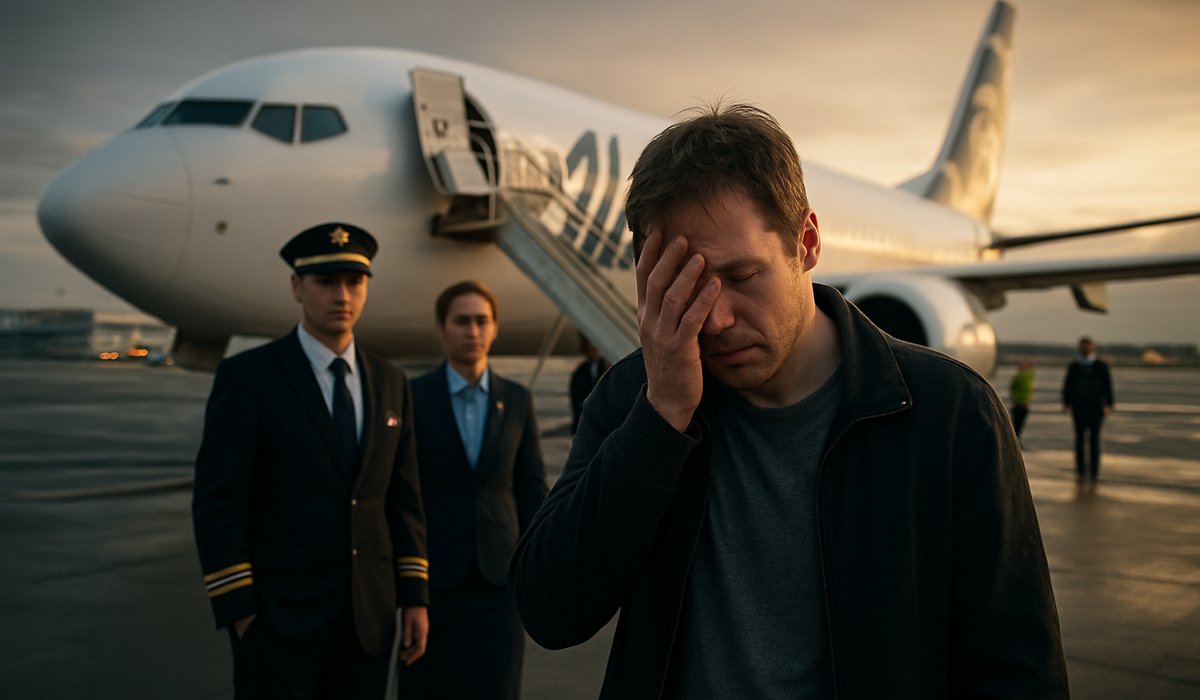
Image generated by AI
Alaska Airlines Faces Legal Action After Severe In-Flight Turbulence Injures Passengers and Crew
Passenger lawsuit highlights growing concerns over extreme weather events and aviation safety protocols in commercial aviation
Dramatic Mid-Flight Incident Triggers Compensation Claim
A former Alaska Airlines passenger has initiated legal proceedings against the carrier following a harrowing turbulence event last December that left multiple crew members visibly injured and passengers traumatized. The incident, which occurred during a Seattle-to-Phoenix flight, involved a sudden and violent atmospheric disturbance that caused the aircraft to plummet approximately 200 feet in seconds.
Natalie Russell, who was aboard the flight from Seattle-Tacoma International Airport (SEA) to Phoenix Sky Harbor International Airport (PHX), claims the experience caused severe psychological and physical harm. The lawsuit alleges that the airline failed to adequately warn passengers of dangerous weather conditions ahead and did not implement sufficient safety measures during the turbulent event.
Crew Members Sustained Visible Injuries
The December incident proved particularly serious due to injuries sustained by flight attendants. Multiple crew members were reported bleeding as a result of the sudden altitude loss and violent aircraft movement. Cabin crew members struck overhead compartments and fixtures throughout the cabin, with some sustaining lacerations and contusions. The visible injuries to crew members heightened passenger anxiety and underscored the severity of the turbulence event.
Broader Aviation Safety Questions Emerge
The incident raises critical questions about turbulence prediction, weather monitoring, and passenger safety protocols across the commercial aviation sector. Airlines are increasingly confronted with more severe and unpredictable weather patterns—attributed to shifting climate conditions—that challenge existing safety frameworks and crew training standards.
Alaska Airlines has not yet issued a formal public statement regarding the lawsuit or the incident specifics. Industry observers note that clear air turbulence and severe weather events present ongoing challenges for airlines, particularly on domestic routes prone to seasonal atmospheric instability.
Legal and Industry Implications
The case represents a broader trend of passengers seeking compensation for injuries sustained during turbulence-related incidents. Airlines face mounting pressure to enhance weather forecasting integration, improve crew communication protocols, and ensure adequate safety equipment and passenger briefings.
This lawsuit arrives amid heightened scrutiny of aviation safety standards and passenger welfare, particularly as extreme weather events become more frequent across North American airspace.
FAQ: Understanding In-Flight Turbulence and Passenger Rights
What should passengers do if they experience severe turbulence on an airline flight? Passengers should remain seated with seatbelts fastened, follow crew instructions immediately, and document any injuries sustained. Report incidents to crew members and request incident reports before deplaning.
Can passengers sue airlines for injuries from turbulence? Yes, passengers can pursue legal action if they can demonstrate airline negligence, inadequate safety protocols, or failure to warn of known hazardous conditions. Burden of proof typically requires showing negligence beyond standard turbulence.
How do airlines predict and avoid severe turbulence? Airlines use real-time weather radar, pilot reports from other aircraft, meteorological data feeds, and flight planning software to identify turbulent zones. However, clear air turbulence remains difficult to detect and avoid.
What are passenger rights during turbulence-related injuries? Passenger rights vary by jurisdiction and airline policy. Many claims fall under aviation liability law, potentially allowing compensation for medical expenses, pain and suffering, and psychological trauma.
How common are severe turbulence incidents in commercial aviation? While turbulence affects most flights to some degree, severe turbulence causing injuries occurs relatively infrequently due to advanced weather monitoring and avoidance protocols.
Related Travel Guides
Flight Delay Compensation Guide 2026
Understanding Airline Route Changes
Airport Security Process Updated (2026)
External Resources
Disclaimer
This article is for informational and educational purposes only. It does not constitute legal, financial, or professional advice. While we strive to provide accurate and up-to-date information, travel policies, regulations, and conditions change rapidly. Always verify information with official sources before making travel decisions. Nomad Lawyer makes no representations about the accuracy, reliability, completeness, or suitability of the information provided. Readers should consult qualified professionals for advice specific to their circumstances. The views expressed in this article are those of the author and do not necessarily reflect the views of Nomad Lawyer.
Preeti Gunjan
Contributor & Community Manager
A passionate traveller and community builder. Preeti helps grow the Nomad Lawyer community, fostering engagement and bringing the reader experience to life.
Learn more about our team →