
Maldives Deploys Smart Resort Tech and Regenerative Marine Projects
The Maldives is transforming tourism by integrating IoT sensors, AI-guided guest systems, solar energy, and active coral reef restoration.
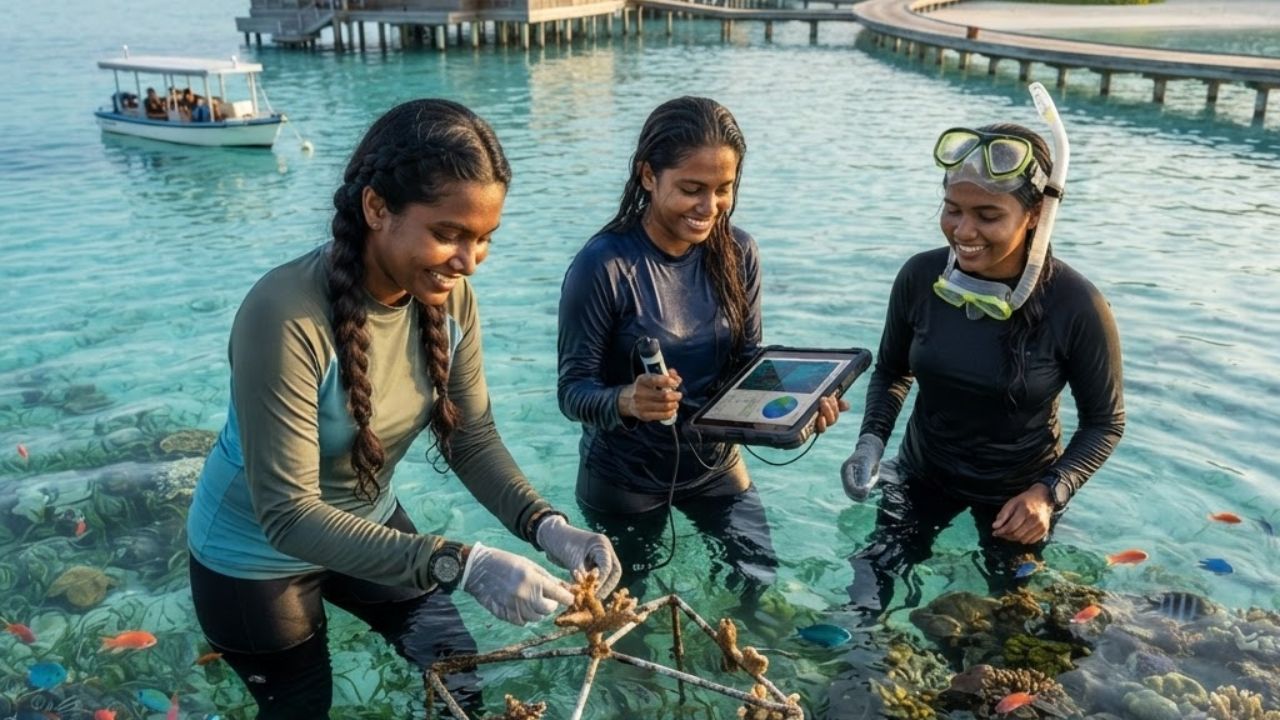
Image generated by AI
Integrating Internet of Things sensors, automated energy grids, and active coral reef restoration, the Maldives is reshaping its luxury travel ecosystem through smart technology.
The Core Transit Update
Maritime transport routes, seaplane corridors, and speed-boat networks across the Maldives are connecting a digitized resort network. Maldivian destination planners are implementing smart island management platforms alongside regenerative marine biology initiatives to balance luxury vacationing with environmental limits.
The strategy deploys Internet of Things (IoT) sensors, automated micro-grids, and real-time reef temperature monitors across properties to reduce fossil fuel and water consumption. Concurrently, resorts are pursuing a zero green-waste policy, eliminating single-use plastics, deploying solar energy arrays, and involving guests directly in transplanting coral fragments to metal nurseries, validating these initiatives through national and international eco-certifications.
Resort Technology & Conservation Benchmarks
Planning an eco-conscious vacation to the Indian Ocean requires comparing resort digital features and tracking environmental safeguards. The following tables outline the smart technology systems deployed across Maldives resorts and detail the marine conservation benchmarks.
| Intelligent Resort System | Stated Operational Function | Primary Environmental / Guest Benefit |
|---|---|---|
| IoT Sensor Arrays | Monitors resort assets & water quality | Prevents environmental leakage & resource waste |
| AI Personalization | Analyzes guest behavior to select dining | Recommends local culinary and cultural experiences |
| Automated Energy Control | Regulates solar-grid loads & room AC | Lowers fossil fuel reliance on remote atolls |
| Real-time Marine Monitors | Tracks reef water temp & sedimentation | Guides local coral reef restoration efforts |
Smart technology systems deployed across Maldives resorts.
| Environmental Benchmark | Stated Conservation Action | Primary Ecological Objective |
|---|---|---|
| Zero Green-Waste Policy | Organic waste composting & reuse | Eliminates waste shipment to municipal dumps |
| Plastic Elimination | Banning single-use bottles & packaging | Reduces coastal microplastic contamination |
| Coral Reef Restoration | Planting fragments on metal nurseries | Regenerates storm-damaged marine habitats |
| Solar Grid Adoption | Rooftop & floating solar array grids | Decreases carbon footprint of luxury operations |
Maldives green hospitality and marine conservation benchmarks.
Traveler Logistics Guide
From a ground-level perspective, the best way to navigate this is to download the custom mobile application of your selected resort prior to boarding your flight to Malé, as this enables you to complete digital immigration forms, pre-book seaplane transfers, and verify eco-certification credentials directly on your phone. Checking application details is recommended.
To plan your Maldives vacation:
- Allow Safe Connecting Windows: Seaplanes in the Maldives only operate during daylight hours. If your international flight lands at Velana International Airport (MLE) after 3:30 PM, allow for an overnight stay in Hulhumalé before transiting to your atoll resort the next morning.
- Confirm Baggage Limits: Seaplane operators enforce strict luggage weight limits (usually 20 kg for checked bags and 5 kg for hand luggage). Pack lightweight, essential items.
- Participate in Conservation: Take advantage of guest-focused coral planting and marine biology workshops offered by certified green resorts to offset your carbon footprint.
- Observe Snorkeling Protocols: When exploring house reefs, wear biodegradable sunscreen. Do not touch or stand on coral structures.
Infrastructure Impact Assessment
The construction of floating solar arrays and the transition from diesel generators to smart automated energy grids protect fragile Maldivian lagoons from hazardous oil spills and reduce acoustic pollution in marine reserves.
By directing traveler spending to eco-certified resorts (which buy seafood from local atoll fishermen and support island agricultural gardens), the digital ecotourism framework funds local educational programs, supports marine biology research, and ensures that the Maldives remains protected.
Related Travel Guides
Disclaimer
This article is for informational and educational purposes only. It does not constitute legal, financial, or professional advice. While we strive to provide accurate and up-to-date information, travel policies, regulations, and conditions change rapidly. Always verify information with official sources before making travel decisions. Nomad Lawyer makes no representations about the accuracy, reliability, completeness, or suitability of the information provided. Readers should consult qualified professionals for advice specific to their circumstances. The views expressed in this article are those of the author and do not necessarily reflect the views of Nomad Lawyer.