
Malaysia Targets 47 Million Visitors for Visit Malaysia 2026 Campaign Amid Massive Infrastructure Push
Malaysia aims for 47 million international arrivals and 140 billion ringgit in receipts by 2026, leveraging infrastructure upgrades and a campaign extension into 2027.

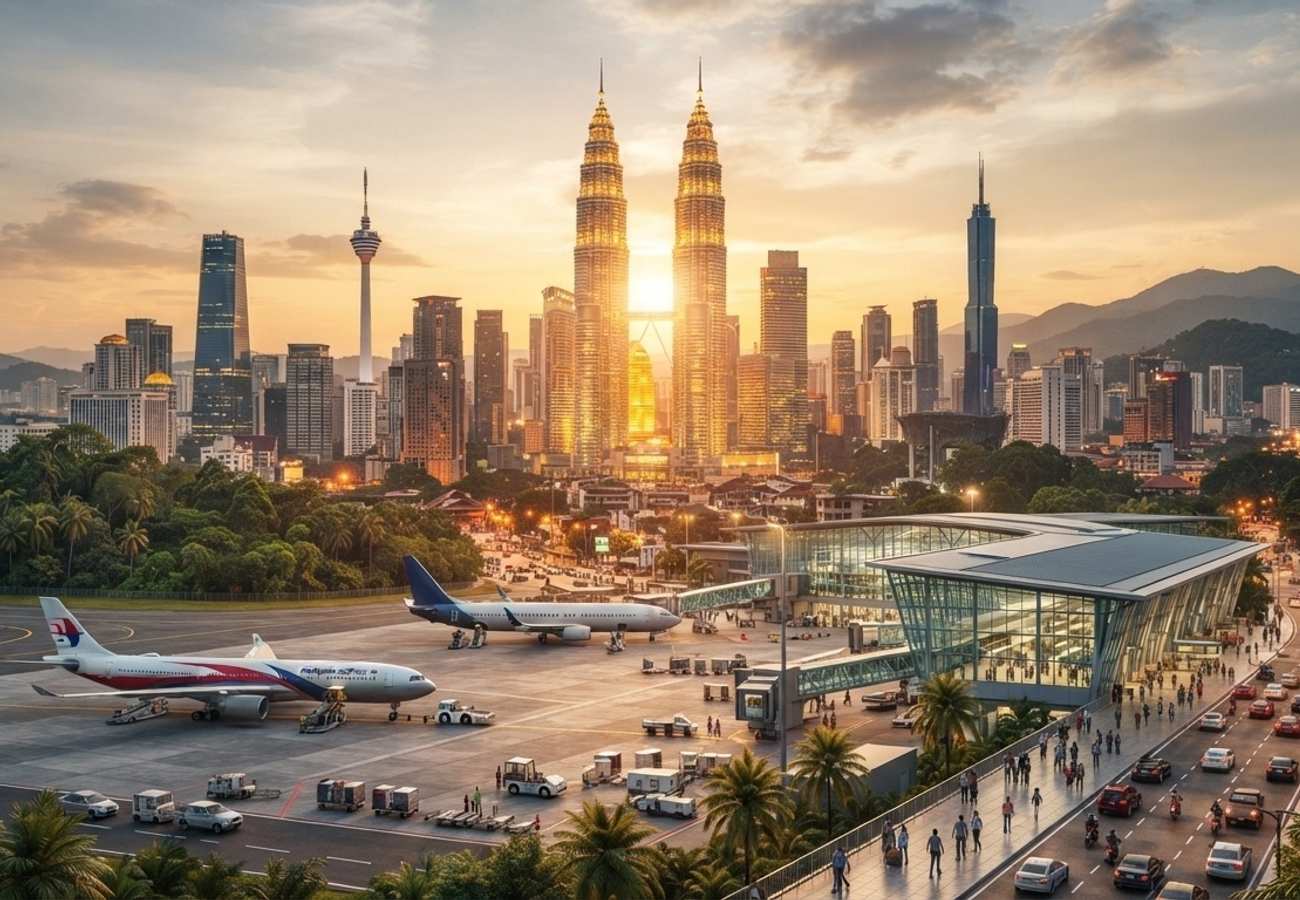
Image generated by AI
Malaysia is targeting a record 47 million international visitors and over 140 billion ringgit in tourism receipts for 2026. This aggressive expansion is supported by a strategic campaign extension into 2027 and significant upgrades to aviation and transport hubs.
Strategic Targets and Recovery Metrics
The "Visit Malaysia 2026" initiative, operating under the "Malaysia Truly Asia" brand, represents one of the most ambitious tourism drives in Southeast Asia. National authorities have established benchmarks that exceed pre-pandemic peaks, positioning the country as a primary competitor to regional hubs like Thailand and Singapore.
Our analysis of recent data indicates a rapid recovery trajectory. By 2024, Malaysia had recovered more than 90 percent of its pre-Covid international arrival volumes. Further statistical summaries show the country welcomed approximately 26.6 million international visitors in 2025, providing the momentum required for the 2026 targets.
The recovery is notably broad-based, with strong returns from:
- Regional Markets: High-volume arrivals from Singapore, Indonesia, and Thailand.
- Long-Haul Segments: Rebuilding connections across Europe, the Middle East, and North Asia.
- Niche Sectors: Global leadership in Muslim-friendly tourism and medical travel.
Infrastructure and Connectivity Breakdown
To sustain an influx of 47 million visitors, the Malaysian government is prioritizing systemic upgrades to prevent bottlenecks at major gateways.
Aviation and Transport Hubs Investment is concentrated on improving access to key gateways, including:
- Kuala Lumpur (KUL): Enhancing capacity as a primary aviation and conference hub.
- Penang, Langkawi, Sabah, and Sarawak: Upgrading regional airports and ferry services to redistribute tourist flows away from saturated urban centers.
Hospitality and Digital Integration A wave of refurbished hotels, integrated resorts, and eco-lodges is scheduled to launch by 2026. This is paired with a "tech-forward" strategy involving:
- Data integration for crowd management at major attractions.
- Implementation of smart-destination tools and contactless payment systems.
- Digital navigation and real-time translation apps for international arrivals.
Passenger Rights and Travel Advisory
For the traveler visiting Malaysia during the 2026-2027 window, the scale of this boom introduces specific logistical considerations.
Rebooking and Delay Rights With the projected surge in arrivals, passengers should be aware that increased airport congestion can lead to delays. For those flying into Malaysia from the EU or on EU-based carriers, EU261/2004 protections apply regardless of the destination. This means for flights delayed over three hours, passengers may be entitled to compensation between €250 and €600, depending on flight distance.
Our analysis of the current expansion suggests:
- Booking Windows: Due to the "Visit Malaysia" surge, we recommend booking accommodation and internal flights (e.g., Kuala Lumpur to Kota Kinabalu) at least 3-6 months in advance.
- Visa Requirements: Travelers should monitor official portals for updates on digital arrival cards and visa-free entries, as these are often modified during major national tourism campaigns to facilitate higher volumes.
- Transport Logistics: While infrastructure is improving, the "second-tier" destinations (Sabah and Sarawak) may experience higher pressure on local transport. Utilizing official government-backed digital booking platforms is advised to avoid predatory pricing during peak 2026 windows.
Industry Analyst View
The decision to extend the Visit Malaysia 2026 campaign into 2027 is a tactical pivot. Forward booking data for the latter half of 2026 showed softer numbers compared to the previous year, prompting planners to prolong the promotional window.
From a market perspective, this extension allows the industry to smooth out seasonal peaks and provides airlines more time to adjust capacity. By transforming a one-year event into a multi-year platform, Malaysia is attempting to entrench itself as a permanent regional powerhouse rather than a temporary trend. The diversification into medical and Muslim-friendly tourism creates a resilient revenue stream that is less susceptible to the volatility of the general leisure market.
Malaysia's transition from recovery to aggressive expansion signals a shift in the Southeast Asian tourism hierarchy.
Related Travel Guides
Disclaimer
This article is for informational and educational purposes only. It does not constitute legal, financial, or professional advice. While we strive to provide accurate and up-to-date information, travel policies, regulations, and conditions change rapidly. Always verify information with official sources before making travel decisions. Nomad Lawyer makes no representations about the accuracy, reliability, completeness, or suitability of the information provided. Readers should consult qualified professionals for advice specific to their circumstances. The views expressed in this article are those of the author and do not necessarily reflect the views of Nomad Lawyer.
Preeti Gunjan
Contributor & Community Manager
A passionate traveller and community builder. Preeti helps grow the Nomad Lawyer community, fostering engagement and bringing the reader experience to life.
Learn more about our team →