
Malaysia Expands Rainforest Ecotourism Across Endau-Rompin, Royal Belum, and Gunung Stong
Peninsular Malaysia accelerates rainforest ecotourism across 600,000 hectares of protected jungle, linking Endau-Rompin, Royal Belum, and Gunung Stong's 303-metre waterfall.

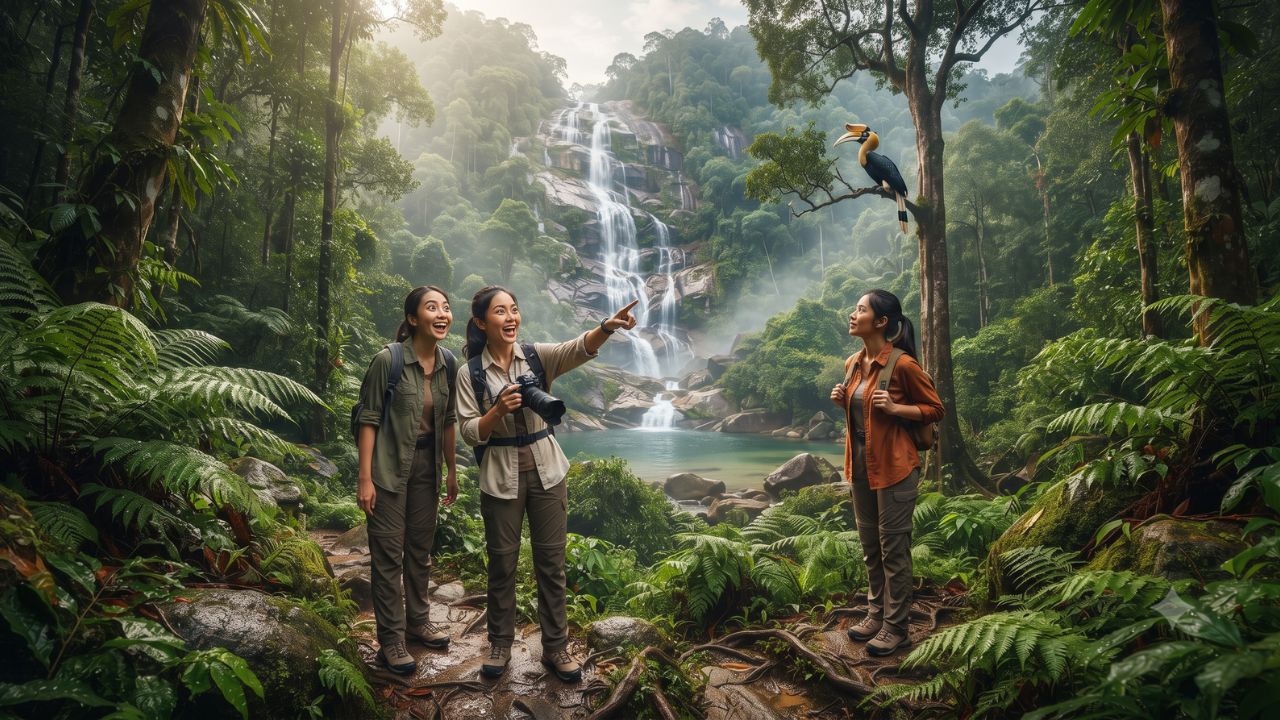
Covering more than 600,000 combined hectares of protected primary jungle across Peninsular Malaysia, the conservation reserves of Taman Negara, Royal Belum, and Endau-Rompin are undergoing an operational transformation from remote expedition frontiers into tightly regulated ecotourism corridors. Spanning 434,300 hectares across Pahang, Kelantan, and Terengganu in Taman Negara, 117,500 hectares in Perak's Royal Belum State Park, and 48,905 hectares in Johor's Endau-Rompin, these ancient tropical ecosystems—dating back roughly 130 million years—shelter critically endangered megafauna while testing the boundaries of sustainable wilderness management. As international demand for low-impact adventure travel accelerates, state wildlife authorities and forestry departments are executing coordinated preservation policies designed to convert ecological assets into sustainable local revenue.
The initiative balances visitor access with stringent environmental controls overseen by the Department of Wildlife and National Parks Peninsular Malaysia (PERHILITAN). By integrating licensed Orang Asli indigenous guides, enforcing strict wilderness permit quotas, and establishing riverine transport routes, Malaysia is positioning its ancient interior as Southeast Asia's foremost destination for deep-canopy expeditions. From the seven-tiered, 303-metre drop of Jelawang Waterfall in Kelantan to the pristine waters of Temenggor Lake in Perak, this decentralized tourism network diversifies the national visitor economy away from crowded coastal resorts and urban capitals.
Peninsular Malaysia's Ecological Core: Reserve Demarcations and State Governance
The management of Malaysia's rainforest assets relies on a multi-tiered regulatory framework split between federal and state jurisdictions. Peninsular Malaysia's flagship reserve, Taman Negara, established in 1938 as King George V National Park, covers 434,300 hectares and offers canopy walkways, nocturnal wildlife walks for civets and flying squirrels, and river ascents along the Tembeling River. Across the South China Sea in Malaysian Borneo, UNESCO-recognized reserves like Gunung Mulu National Park in Sarawak showcase colossal karst caves and subterranean river systems.
In southern Peninsular Malaysia, Endau-Rompin National Park protects 48,905 hectares within Johor alone, having earned official state national park status in 1993 under the Johor National Parks Corporation (PTNJ). The reserve features two primary gateways: the Peta entrance in Mersing, providing water access to the upper Endau River basin, and the Selai entrance in Segamat, which caters to overland hikers. Across the state boundary lies the contiguous Taman Negeri Rompin in Pahang.
According to promotional data from Tourism Malaysia, Endau-Rompin acts as an essential sanctuary for rare mammal species, including the Malayan tiger (Panthera tigris jacksoni), the Asian elephant, the Malayan tapir, sun bears, and white-handed gibbons. Birdlife is anchored by the Rhinoceros hornbill (Buceros rhinoceros), recognizable by its prominent curved casque. To safeguard these fragile habitats, park authorities impose strict bans on smoking and littering, while visitor accommodations at Peta are restricted to rustic wooden chalets and communal dormitories to avoid commercial overdevelopment.
Further north in Perak, Royal Belum State Park borders southern Thailand near Gerik. Gazetted as a state park in 2007, it encompasses 117,500 hectares within the broader Belum-Temengor Forest Complex. The area gained international ecological acclaim because its continuous canopy supports all 10 hornbill species native to Malaysia, alongside sporadic blooms of the rare, parasitic Rafflesia flower. Access to Royal Belum's interior relies heavily on Temenggor Lake, where fleets of self-contained houseboats serve as floating basecamps for multi-day expeditions.
Protected Ecosystem Breakdown: Geography, Biodiversity, and Access Gateways
Managing independent expeditions across Peninsular Malaysia requires coordinating distinct state permits, specialized river craft, and certified wilderness escorts.
| Protected Reserve & Location | Gazetted Area / Coverage | Primary Biodiversity & Flora | Signature Attractions & Terrain | Mandatory Permits & Entry Protocols |
|---|---|---|---|---|
| Taman Negara (Pahang/Kelantan/Terengganu) | 434,300 hectares | Malayan tigers, elephants, flying squirrels, palm civets | World's longest canopy walkway, river safaris, nocturnal jungle treks | PERHILITAN national park entry permits; camera licensing fees |
| Endau-Rompin (Johor) (Mersing / Segamat) | 48,905 hectares (gazetted 1993) | Malayan tapirs, sun bears, gibbons, Rhinoceros hornbills | Upper Endau River, Kuala Jasin rock pools, Buaya Sangkut falls | PTNJ permits via Peta or Selai gates; 4WD access mandatory |
| Royal Belum State Park (Gerik, Perak) | 117,500 hectares (gazetted 2007) | 10 hornbill species, wild elephants, otters, Rafflesia blooms | Temenggor Lake houseboats, Sungai Kooi Waterfall, Sira Rambai | Perak State Parks Corporation clearance; advance police notification |
| Gunung Stong Forest Park (Dabong, Kelantan) | Part of Gunung Stong Tengah Reserve | Licuala stongensis (endemic palm), montane wildlife | Jelawang Waterfall (303m drop, 7 tiers), summits of Ayam & Tera | Kelantan Forestry Department climbing permits; licensed guide mandate |
| Gunung Mulu National Park (Miri, Sarawak) | 52,864 hectares (UNESCO World Heritage) | Free-tailed bat colonies, endemic limestone cave fauna | Deer Cave, Clearwater Cave, razor-sharp karst Pinnacles | Sarawak Forestry Corporation entry; registered World Heritage guides |
In northeastern Kelantan, Gunung Stong State Forest Park near Dabong introduces rugged mountaineering to the rainforest network. Situated inside the Gunung Stong Tengah Forest Reserve, the park's centerpiece is Jelawang Waterfall, a sheer, seven-tiered cascade tumbling 303 metres down granite escarpments. The park is home to Licuala stongensis, an endemic fan palm found nowhere else on Earth. Ascending mountain peaks like Gunung Stong, Gunung Ayam, and Gunung Tera demands high physical stamina, mandatory entry permits from the Kelantan State Forestry Department, and the accompaniment of certified local guides.
Indigenous Integration: The Orang Asli Guardians of Endau-Rompin and Royal Belum
A cornerstone of Malaysia's modernized rainforest tourism model is the formal integration of Indigenous Orang Asli communities into commercial operations. In Endau-Rompin, the ancestral territory belongs to the Jakun people. Generational knowledge of medicinal botany, wildlife tracking, and seasonal river navigation has turned Jakun guides into indispensable conservation partners.
Organized community ecotourism packages at the Peta entrance feature traditional Jakun musical performances and cultural storytelling, creating sustainable non-timber forest revenue. Beyond cultural demonstrations, Jakun trackers lead visitors on the 30-minute river journey upstream from Peta to Kuala Jasin, navigating hidden rapids and guiding trekkers to secluded natural swimming pools.
Similarly, Royal Belum's northern reaches are home to the nomadic and semi-nomadic Temiar and Jahai Orang Asli groups. Living along the inlets of Temenggor Lake, Jahai rangers actively collaborate with environmental groups like World Wide Fund for Nature Malaysia (WWF-Malaysia) to conduct anti-poaching patrols across the Belum-Temengor corridor. By serving as wilderness boatmen and botanical guides for treks into remote salt licks like Sira Rambai, Indigenous communities secure direct economic stakes in maintaining intact forest ecosystems.
Expert Analysis: The High-Yield Conservation Formula and Indigenous Co-Management
The deliberate decentralization of Malaysia's rainforest tourism represents a textbook exercise in yield management under severe ecological constraints. Unlike mass tourism destinations that chase raw arrival volumes, primary jungle ecosystems collapse rapidly under unmanaged foot traffic. Canopy soil compaction, riverbank erosion from outboard motor wakes, and human-wildlife habituation threaten the very biodiversity that draws international travelers.
For travelers booking this route, the direct consequence is that logistical friction remains intentionally high. Expeditions to Royal Belum or Endau-Rompin cannot be organized spontaneously. Entering Royal Belum requires submitting passport details to the Perak State Parks Corporation at least one to two weeks in advance for security vetting near the Thai border. In Endau-Rompin, accessing the Peta trailhead requires a two-hour journey over unpaved plantation tracks in four-wheel-drive vehicles, followed by chartering traditional wooden motorized longboats.
The pricing pressure this creates means that authentic rainforest expeditions will increasingly shift toward premium, small-group private itineraries. A three-day expedition on a Temenggor Lake private houseboat, factoring in mandatory licensed guides, fuel logistics, and park conservation levies, carries a significantly higher per-diem cost than mainland cultural touring. However, this pricing structure guarantees that economic value accrues directly to local boatmen, Orang Asli communities, and state conservation reserves rather than offshore aggregators.
Furthermore, environmental conditions demand rigorous personal preparation. A typical excursion to the Sira Rambai mineral lick involves a 40-minute boat ride followed by four hours of strenuous trekking through thick mud, swollen streams, and dense vegetation. Trekkers must equip themselves with specialized anti-leech socks, heavy-duty trekking footwear, and water-sealed dry bags to protect electronic equipment from torrential tropical downpours. By preserving these physical barriers to entry, Malaysia ensures that its ancient primary forests remain low-density sanctuaries dedicated to serious naturalists and conservation-minded travelers.
Key Takeaways
- Massive Conservation Acreage: Taman Negara (434,300 ha), Royal Belum (117,500 ha), and Endau-Rompin (48,905 ha) anchor Peninsular Malaysia's premier wilderness ecotourism reserves.
- Exceptional Avian and Flora Diversity: Royal Belum shelters all 10 native Malaysian hornbill species and elusive Rafflesia blooms, while Gunung Stong preserves the endemic Licuala stongensis fan palm.
- Vertical Scale at Jelawang Falls: Kelantan's Gunung Stong features a 303-metre, seven-tiered cascade requiring state forestry permits and licensed guides to explore.
- Indigenous Economic Co-Management: Jakun guides in Endau-Rompin and Jahai trackers in Royal Belum provide vital navigational expertise, benefiting directly from small-group ecotourism.
- Mandatory Advance Clearance: Strict administrative protocols, including police clearances and state forestry permits, necessitate booking expeditions several weeks before departure.
FAQ: Malaysia Rainforest Travel and Ecotourism 2026
What permits are required to enter Royal Belum State Park?
Travelers must obtain official entry permits from the Perak State Parks Corporation at least 7 to 14 days before departure. Entry requires passport identification, registration of photographic gear, and the accompaniment of an authorized licensed guide.
How do visitors reach Endau-Rompin National Park?
Access is through the Peta entrance in Mersing or the Selai entrance in Segamat. Reaching Peta requires a four-wheel-drive vehicle over unpaved terrain, followed by a 30-minute motorized boat trip to reach interior jungle chalets and trailheads.
What is the best season to spot all 10 hornbill species in Royal Belum?
Hornbill sightings peak between July and October when seasonal figs and forest fruits ripen across the Belum-Temengor Forest Complex, attracting large flocks of Rhinoceros, helmeted, and wreathed hornbills.
Can travelers hike Gunung Stong and Jelawang Waterfall independently?
No. Independent hiking is strictly prohibited. The Kelantan State Forestry Department requires all hikers to obtain climbing permits and hire licensed mountain guides before attempting trails toward Jelawang Waterfall or Gunung Ayam.
In Malaysia's ancient rainforests, true luxury is measured not by resort amenities, but by the privilege of entering intact primordial ecosystems governed by strict conservation stewardship.
Related Travel Guides
Disclaimer
This article is for informational and educational purposes only. It does not constitute legal, financial, or professional advice. While we strive to provide accurate and up-to-date information, travel policies, regulations, and conditions change rapidly. Always verify information with official sources before making travel decisions. Nomad Lawyer makes no representations about the accuracy, reliability, completeness, or suitability of the information provided. Readers should consult qualified professionals for advice specific to their circumstances. The views expressed in this article are those of the author and do not necessarily reflect the views of Nomad Lawyer.
Preeti Gunjan
Contributor & Community Manager
A passionate traveller and community builder. Preeti helps grow the Nomad Lawyer community, fostering engagement and bringing the reader experience to life.
Learn more about our team →