
Malaysia Extends Visit Malaysia 2026 Tourism Campaign Through 2027 to Boost Regional Connectivity
Malaysia has officially extended its Visit Malaysia 2026 initiative through the end of 2027, leveraging strategic airline partnerships and multi-country travel packages to attract millions of international visitors.

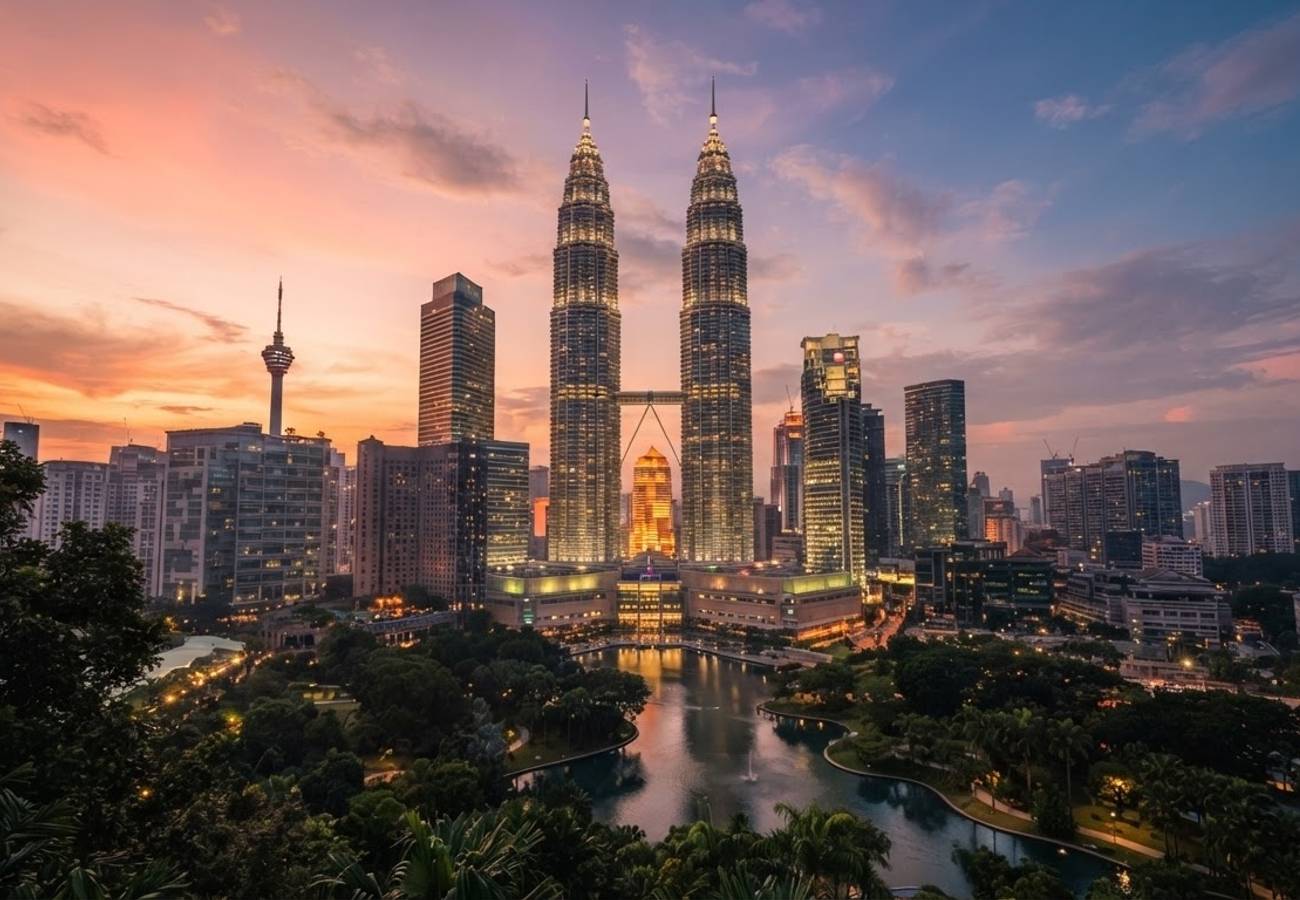
Image generated by AI
Malaysia is transforming its primary tourism drive into a multi-year offensive, extending the Visit Malaysia 2026 initiative through the end of 2027 to maximize international arrivals and regional integration. This strategic pivot allows the nation to deepen its ties with global carriers and solidify multi-destination travel circuits across Southeast Asia.
The decision to prolong the campaign ensures that Malaysia does not treat 2026 as an isolated promotional window but rather as the start of a sustained growth period. By extending the timeline, the government can better adapt to fluctuating global travel trends and strengthen its presence in high-growth markets, specifically within the ASEAN region and India.
National Committee Approves Two-Year Tourism Push
The extension was formally agreed upon by the Visit Malaysia 2026 National Main Committee in April 2026, with full implementation now scheduled to run until December 31, 2027. This move provides the necessary runway for Tourism Malaysia to refine its promotional strategies and ensure that diverse destinations—ranging from urban hubs to eco-tourism sites—remain visible to a global audience.
The original campaign, which launched on January 1, 2026, aimed to showcase the country's cultural heritage and natural landscapes. By adding an extra year, officials intend to convert transient interest into long-term visitor loyalty, moving beyond simple marketing to create sustainable travel ecosystems.
Strategic Aviation Alliances with Singapore Airlines
Connectivity remains the primary hurdle for regional tourism, and Malaysia is addressing this through high-level aviation agreements. In May 2026, Tourism Malaysia and Singapore Airlines signed a memorandum of understanding (MoU) specifically designed to enhance the flow of travelers between the two nations.
This partnership leverages the extensive international network of Singapore Airlines to funnel passengers from Europe, Australia, and the Asia-Pacific region into Malaysia. By utilizing Singapore’s status as a premier global aviation hub, Malaysia becomes more accessible for travelers who prefer a single entry point before dispersing to destinations like Penang, Langkawi, Kuala Lumpur, or Johor.
Furthermore, a strategic joint business partnership between Malaysia Airlines and Singapore Airlines is currently being formalized. This collaboration is expected to yield coordinated flight schedules and joint fare products, reducing the friction associated with cross-border travel.
Integrating Malaysia, Singapore, and Thailand Circuits
The extended campaign emphasizes "twin-destination" and multi-country packages, recognizing that modern travelers often prefer comprehensive regional itineraries over single-country visits. The strategy focuses heavily on the ASEAN corridor, where Singapore, Indonesia, and Thailand serve as primary source markets.
Data from 2024 underscores the importance of this regional synergy:
- ASEAN Contribution: 28.19 million visitors arrived from ASEAN nations in 2024, accounting for 74.3% of all international arrivals.
- Thai Market: Thailand alone contributed 2.27 million visitors to Malaysia during the same period.
By promoting seamless air-and-land connectivity with Thailand and Singapore, Malaysia is encouraging longer itineraries. For the traveler, this means the ability to combine the urban energy of Kuala Lumpur with the heritage of Penang, the luxury of Singapore, and the cultural draws of Bangkok or Southern Thailand in one cohesive journey.
Expanding Global Reach and the Indian Market
In August 2026, the Ministry of Tourism, Arts and Culture met with the Malaysia Aviation Group to discuss expanding network reach into China, Europe, and India. There are also active explorations into opening new routes to destinations such as Fukuoka to diversify the visitor base.
India has emerged as a cornerstone of the 2027 extension. From August 12 to August 20, 2026, Tourism Malaysia executed a targeted sales mission across New Delhi, Mumbai, and Chennai. This mission involved 47 key stakeholders, including hoteliers and tour operators, focusing on B2B engagements to create new travel products for the Indian market.
The goal is to position Malaysia as the premier choice for Indian travelers seeking short-haul city breaks, family vacations, and shopping excursions through the end of 2027.
Tracking Tourism Growth and Arrival Targets
The extension comes at a time of measurable growth in visitor traffic. During the first half of 2026, Malaysia recorded 21.2 million visitor arrivals, representing a 2.5% increase over the 20.6 million arrivals recorded during the same window in 2025.
The original Visit Malaysia 2026 targets remain ambitious, and the extra year provides a critical buffer to reach these milestones.
Visit Malaysia Campaign Metrics and Data
| Metric | Value/Detail |
|---|---|
| Campaign Duration | 2026 through December 2027 |
| H1 2026 Visitor Arrivals | 21.2 Million |
| H1 2025 Visitor Arrivals | 20.6 Million |
| Arrival Growth Rate (H1) | 2.5% |
| Original Arrival Target | 35.6 Million |
| Original Revenue Target | RM147.1 Billion |
| 2024 ASEAN Arrivals | 28.19 Million (74.3% of total) |
| 2024 Thailand Arrivals | 2.27 Million |
Key Campaign Milestones
- January 1, 2026: Official launch of Visit Malaysia 2026 with activations at 55 entry points.
- April 2026: National Main Committee approves extension to 2027.
- May 2026: Signing of the MoU between Tourism Malaysia and Singapore Airlines.
- August 12–20, 2026: India Sales Mission conducted in Chennai, Mumbai, and New Delhi.
- December 2027: Scheduled conclusion of the extended promotional drive.
Why This Matters: The Traveler's Perspective
For the international traveler, the extension of this campaign is more than just a government deadline; it represents a tangible shift in how Southeast Asia is accessed. The move toward "joint business partnerships" between airlines means fewer fragmented tickets and more competitive pricing for multi-city hops.
From a logistical standpoint, the emphasis on Singapore and Thailand as "companion destinations" reduces the planning burden for tourists. Instead of navigating three different visa and transport regimes independently, the push for integrated packages suggests a future where regional travel is bundled. For those planning trips in 2027, this likely means an increase in "fly-drive" packages and coordinated transit options between Kuala Lumpur and its neighbors.
Malaysia is no longer just inviting the world to visit for a year; it is rebuilding its regional infrastructure to ensure visitors stay longer and move easier.
Related Travel Guides
Disclaimer
This article is for informational and educational purposes only. It does not constitute legal, financial, or professional advice. While we strive to provide accurate and up-to-date information, travel policies, regulations, and conditions change rapidly. Always verify information with official sources before making travel decisions. Nomad Lawyer makes no representations about the accuracy, reliability, completeness, or suitability of the information provided. Readers should consult qualified professionals for advice specific to their circumstances. The views expressed in this article are those of the author and do not necessarily reflect the views of Nomad Lawyer.
Preeti Gunjan
Contributor & Community Manager
A passionate traveller and community builder. Preeti helps grow the Nomad Lawyer community, fostering engagement and bringing the reader experience to life.
Learn more about our team →