
Malaysia East Coast Rail Link ECRL Set for January 2027 Launch Connecting Kota Bharu to Gombak
Malaysia's 665-kilometre ECRL project reaches 95 percent completion, promising a transformative rail link between the East Coast and central region by January 2027.

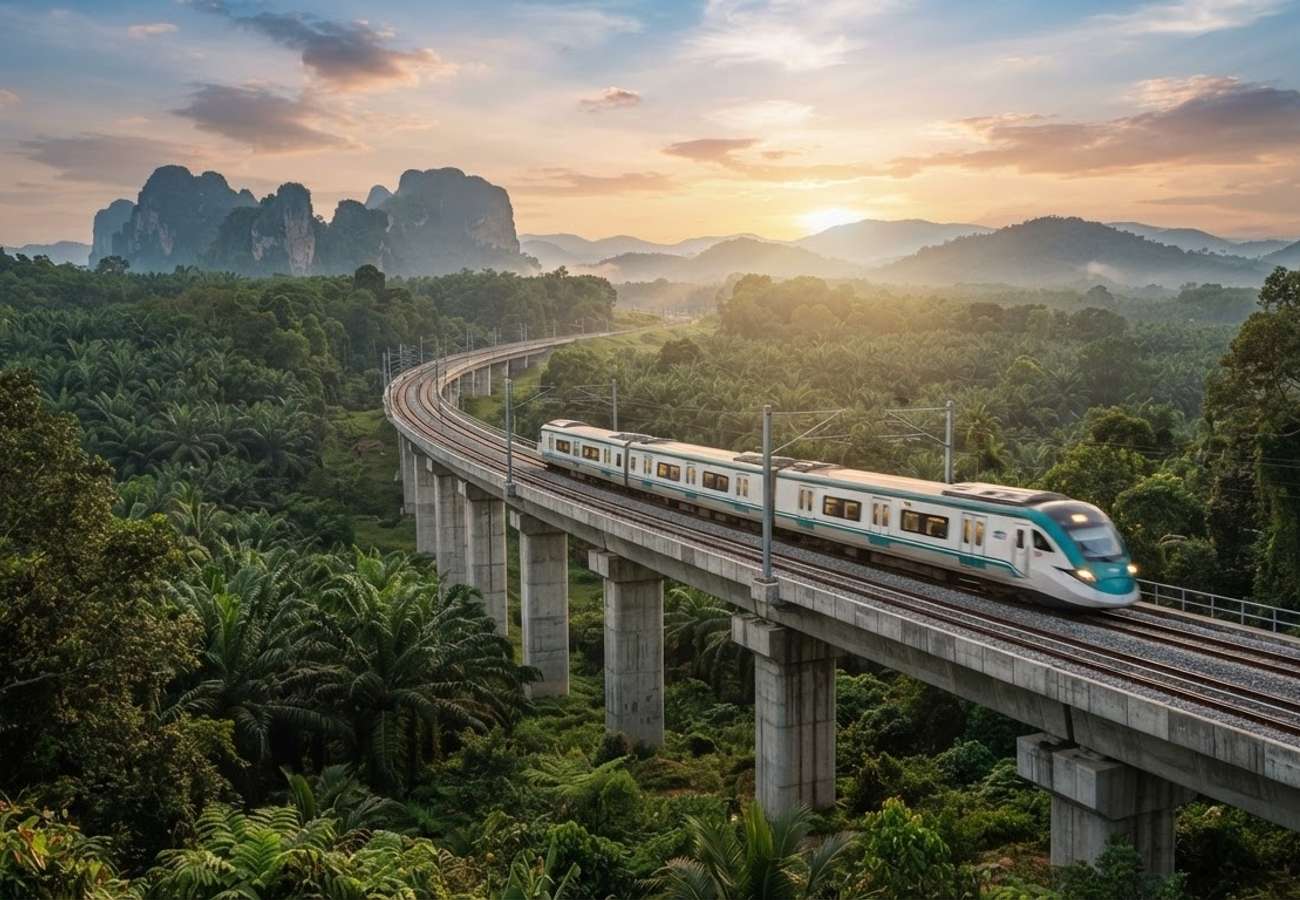
Image generated by AI
The East Coast Rail Link (ECRL) has hit a 95 percent completion milestone, with passenger operations officially scheduled to begin in January 2027. This 665-kilometre network will fundamentally shift how travelers access the traditionally road-dependent East Coast of Peninsular Malaysia.
The Shift to East-West Connectivity
For decades, traveling between the central Klang Valley and the East Coast required navigating winding highways and enduring long drive times. The ECRL changes this dynamic by introducing a high-capacity, modern electric rail corridor. The first operating phase will establish a direct link between Kota Bharu in Kelantan and Gombak in Selangor, with a subsequent expansion phase planned to extend the reach to Port Klang.
This is not merely a passenger upgrade; it is a dual-purpose infrastructure project. By supporting both passenger movement and heavy cargo transportation, the ECRL aims to balance economic growth between the developed west coast and the emerging east.
Cultural and Environmental Value
For the visitor, the real impact is the democratization of the East Coast. States like Kelantan, Terengganu, and Pahang possess deep cultural heritage and pristine natural sites that have remained under-visited due to accessibility hurdles. The transition from road to rail significantly reduces the carbon footprint per passenger and alleviates the congestion on federal highways.
By integrating the East Coast into the national rail grid, the ECRL supports regional heritage by allowing a steady, manageable flow of tourism into smaller towns. This prevents the "over-tourism" often seen in Kuala Lumpur while providing local artisans and hospitality businesses in the east with direct access to international travelers arriving in the capital.
Operational Readiness and Technical Specs
The project has moved from the construction phase into a rigorous testing and commissioning window. To ensure safety and reliability before the January 2027 launch, authorities are implementing a multi-stage validation process.
| Component | Testing Focus | Purpose |
|---|---|---|
| Passenger EMUs | Electric Multiple Units | Speed, braking, and passenger comfort |
| Electric Locomotives | Freight Operations | Heavy load capacity and stability |
| System Integration | Network Signaling | Safety synchronization and timing |
| Inspection Train | Maintenance Checks | Infrastructure integrity and track alignment |
Visitor Insider Tips
Navigating a new rail network requires a different strategy than traditional road trips. To make the most of the ECRL launch, keep these local insights in mind:
- The Off-Peak Window: While January marks the launch, avoid the first two weeks of operation to bypass "launch curiosity" crowds. Aim for mid-week travel in February or March for a smoother experience.
- Station-to-Site Logistics: ECRL stations are designed as hubs. Rather than renting a car for the whole trip, use local e-hailing apps (like Grab) for the "last mile" from the station to hidden gems in Kelantan or Terengganu.
- Dining Specialty: When stopping in the East Coast, look for Nasi Kerabu (blue rice) and Laksam at local eateries near the stations; these are regional staples rarely found in their authentic form in the Klang Valley.
- Cultural Etiquette: The East Coast is more conservative than Kuala Lumpur. Visitors should dress modestly, especially when visiting rural towns and religious sites along the rail route.
Tourism Outlook
The long-term trajectory for Malaysia's tourism is a move toward "slow travel." The ECRL enables itineraries that once took days to organize into simple weekend getaways. By linking Gombak to Kota Bharu, the government is effectively expanding the tourism map, encouraging visitors to explore the rainforests of Pahang and the beaches of Terengganu without the stress of long-distance driving.
As the network reaches full capacity and extends to Port Klang, the ECRL will likely become the primary artery for domestic tourism, shifting the economic center of gravity toward the east and fostering a more sustainable, rail-centric travel culture.
A new era of Malaysian mobility begins as the rails finally bridge the divide between the coast and the capital.
Related Travel Guides
Disclaimer
This article is for informational and educational purposes only. It does not constitute legal, financial, or professional advice. While we strive to provide accurate and up-to-date information, travel policies, regulations, and conditions change rapidly. Always verify information with official sources before making travel decisions. Nomad Lawyer makes no representations about the accuracy, reliability, completeness, or suitability of the information provided. Readers should consult qualified professionals for advice specific to their circumstances. The views expressed in this article are those of the author and do not necessarily reflect the views of Nomad Lawyer.
Kunal K Choudhary
Co-Founder & Contributor
A passionate traveller and tech enthusiast. Kunal contributes to the vision and growth of Nomad Lawyer, bringing fresh perspectives and driving the community forward.
Learn more about our team →