
Malaysia Airlines Spearheads ASEAN Tourism Surge 2026: Insider Guide to Singapore, Thailand, and Regional Alliances

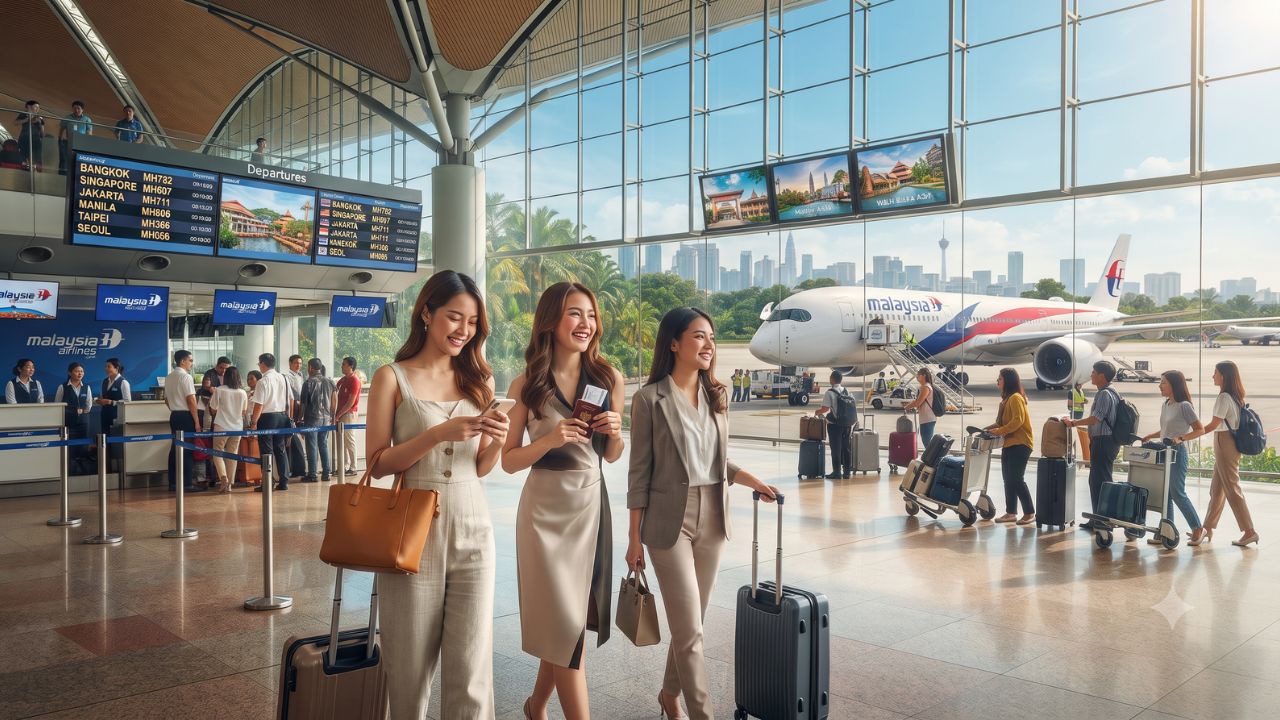
Rather than viewing neighboring countries as fierce commercial rivals, Southeast Asian national airlines are building unprecedented cross-border marketing alliances that allow long-haul travelers to hop seamlessly between four countries on a single ticket. At the MATTA Fair in September 2026, Malaysia Aviation Group (MAG) unveiled seven comprehensive agreements with leading national tourism boards—spanning Singapore, Thailand, Indonesia, the Philippines, Taiwan, South Korea, Australia, and New Zealand. As Malaysia prepares its monumental "Visit Malaysia 2026" (VM2026) campaign targeting an ambitious 35.6 million international arrivals, national carrier Malaysia Airlines is transforming Kuala Lumpur International Airport (KLIA) into the central gateway for multi-destination ASEAN exploration.
The multilateral offensive, spearheaded by MAG Airline Business Chief Executive Officer Bryan Foong, moves beyond conventional seat sales. By unifying promotional budgets, integrating loyalty currencies, and deploying fuel-efficient Airbus A330neo widebody jets, the group is aggressively advocating for reduced airport fees and passenger service charges across regional hubs to make multi-country Southeast Asian itineraries more affordable for global travelers.
Seven Strategic Alliances Reshaping Southeast Asian Travel
The landmark agreements signed during the MATTA Fair’s "Destination Parade" establish a synchronized tourism ecosystem connecting primary and secondary cities across the Asia-Pacific basin.
The deepest bilateral commitment involves the Singapore Tourism Board (STB), which finalized a three-year Memorandum of Understanding alongside a one-year tactical agreement. The alliance links Singapore’s global financial and MICE event schedule directly with peninsular Malaysia’s ecotourism and heritage circuits. International travelers can combine Singapore's urban architecture with direct Malaysia Airlines connections into Penang, Langkawi, and Malaysian Borneo. Official visitor resources through Visit Singapore highlight how this joint marketing streamlines dual-city stopover packages for long-haul visitors.
Simultaneously, Malaysia Airlines broke historic ground by signing its first-ever strategic MoU with the Tourism Authority of Thailand. Designed to promote travel exchange across shared northern borders, the campaign focuses on opening emerging secondary destinations beyond Bangkok and Phuket, including Hat Yai, Chiang Rai, and Surat Thani.
Across the wider region, specialized agreements target key consumer segments:
- Indonesia: A comprehensive partnership with the Ministry of Tourism of the Republic of Indonesia focuses on medical tourism, retail, and cultural travel across Jakarta, Surabaya, and Bali.
- The Philippines: An agreement with the Department of Tourism promotes world-class marine diving, pristine coral atolls, and historic Spanish colonial architecture.
- Taiwan and South Korea: Strategic campaigns with the Taiwan Tourism Administration and Korea Tourism Organization support seasonal travel, highlighted by Malaysia Airlines' direct route launch to Busan.
- Regional Subsidiaries: MAG’s regional carrier Firefly is introducing new direct jet services from KLIA Terminal 1 to Krabi, Siem Reap, and Cebu, while dedicated charter division Amal expands dedicated pilgrimage flights.
Fleet Modernization and the Push for Cost Efficiency
To service this massive influx of multi-city passengers, Malaysia Airlines is projected to operate the youngest widebody fleet into Australasia by the first quarter of 2026, anchored by next-generation Airbus A330neo aircraft. Equipped with advanced Rolls-Royce Trent 7000 engines, these widebody airframes burn significantly less fuel per seat-kilometer while offering whisper-quiet passenger cabins, high-speed satellite Wi-Fi, and upgraded lie-flat business class suites.
However, airline leadership has emphasized that sustaining high passenger volumes requires regional airport authorities to maintain cost discipline. While the Malaysian Aviation Commission (MAVCOM) set Passenger Service Charges (PSC) for international ASEAN departures from KLIA Terminal 1 at RM73 to fund post-pandemic terminal upgrades, airline executives argue that lowering aeronautical tariffs is essential to prevent ticket price inflation for budget-conscious backpackers and families. Lower operating charges allow airlines to stimulate travel volume, ultimately generating higher non-aeronautical retail and dining revenue for airport terminals.
Campaign roadmaps coordinated with Tourism Malaysia demonstrate how public-private cooperation and reciprocal visa waivers—including streamlined visa-free travel between Malaysia and China—create frictionless travel corridors across Southeast Asia.
What Makes Multi-City ASEAN Travel Different
Southeast Asia offers unmatched cultural and geographic density. In less than two hours of flying time from Kuala Lumpur, travelers can transition from the ultra-modern skyline of Singapore to the ancient Buddhist temples of Cambodia, the limestone sea cliffs of southern Thailand, or the vibrant street food markets of George Town, Penang.
Rather than booking disjointed point-to-point tickets across competing low-cost carriers, unified airline alliances allow travelers to check baggage through to final destinations, access shared airport lounges, and protect connecting itineraries against unexpected schedule disruptions.
Catering to diverse dietary requirements is another hallmark of Malaysian Hospitality. Malaysia Airlines provides fully certified halal in-flight meal services across all cabin classes, featuring authentic regional dishes such as slow-simmered beef rendang, chicken satay with spicy peanut sauce, and fragrant coconut nasi lemak.
Visitor Insider Tips
Navigating Southeast Asia’s expanded flight networks and multi-destination itineraries requires smart stopover planning and booking strategies.
- Book Multi-City Open-Jaw Tickets: Instead of standard round-trip flights, book an open-jaw ticket into Singapore (SIN) and out of Bangkok (BKK) with intermediate regional sectors operated by Malaysia Airlines or Firefly. This eliminates backtrack flying and saves full days of transit time.
- KLIA Terminal 1 Transit Hacks: When connecting through KLIA Terminal 1, take the automated aerotrain or dedicated shuttle buses between the Main Terminal Building and the Satellite Concourse. Allow at least 90 minutes for international transfers to navigate passport verification and security screening.
- Combine Direct Flights to Secondary Hubs: Utilize Firefly’s direct flights from KLIA to bypass congested capital gateways, flying directly into adventure hubs like Krabi for rock climbing, Siem Reap for Angkor Wat temple exploration, or Cebu for whale shark diving.
- Maximize Stopover Programs: Take advantage of Malaysia Airlines’ complimentary transit stopover program in Kuala Lumpur, allowing you to spend up to three days exploring street markets in Bukit Bintang and the historic Batu Caves without incurring additional airfare taxes.
- Pack for Tropical Monsoons: Southeast Asia features micro-climates where east and west coasts experience opposing monsoon cycles. Research local rainfall patterns: when the west coast of Thailand and Malaysia experiences afternoon showers from June to October, east coast islands like Koh Samui and Redang enjoy calm, sunny waters.
Cultural and Environmental Context
The rapid expansion of Southeast Asian aviation places environmental sustainability at the heart of airline operations. The deployment of A330neo aircraft significantly reduces nitrogen oxide emissions and acoustic footprints over coastal communities.
Furthermore, tourism revenues generated through regional partnerships directly fund heritage preservation across UNESCO sites, including the historic trading towns of Melaka and George Town in the Straits of Malacca, alongside community-based ecotourism cooperatives in Borneo’s Danum Valley. Sustainable travel frameworks encourage visitors to support certified indigenous guiding programs, patronize local street food hawkers, and reduce plastic consumption while exploring fragile rainforests and coral reefs.
FAQ: Southeast Asia Travel & Malaysia Airlines 2026
What is the Visit Malaysia 2026 (VM2026) campaign? VM2026 is a nationwide tourism initiative targeting 35.6 million international arrivals, promoting Malaysia’s rich multicultural heritage, culinary diversity, and pristine rainforests.
Which new destinations are served by MAG's subsidiary Firefly? Firefly is expanding direct jet services from KLIA Terminal 1 to popular regional leisure destinations including Krabi (Thailand), Siem Reap (Cambodia), and Cebu (Philippines).
Do international tourists need separate visas for multi-country ASEAN travel? Most Western passport holders enjoy visa-free access to Malaysia, Singapore, Thailand, and the Philippines for stays ranging from 30 to 90 days, though entry requirements should be verified individually for each country.
What are the primary benefits of flying the Airbus A330neo? The A330neo delivers quieter cabins, higher fuel efficiency, modern lie-flat business class suites, and enhanced satellite connectivity across medium- and long-haul routes.
As tropical horizons blur between Singapore's glittering skyline, Penang's historic shophouses, and the golden shores of Thailand, Southeast Asia's united aviation network brings the wonders of the Orient closer than ever before.
Related Travel Guides
Disclaimer
This article is for informational and educational purposes only. It does not constitute legal, financial, or professional advice. While we strive to provide accurate and up-to-date information, travel policies, regulations, and conditions change rapidly. Always verify information with official sources before making travel decisions. Nomad Lawyer makes no representations about the accuracy, reliability, completeness, or suitability of the information provided. Readers should consult qualified professionals for advice specific to their circumstances. The views expressed in this article are those of the author and do not necessarily reflect the views of Nomad Lawyer.
Naina Thakur
Contributor & Travel Specialist
Travel enthusiast and legal writer covering visa regulations, responsible tourism, and cultural journeys across global destinations.
Learn more about our team →