
IndiGo Named Cleanest Airline in India and South Asia: Cabin Standards, Skytrax Accolades, and Traveler Guide 2026

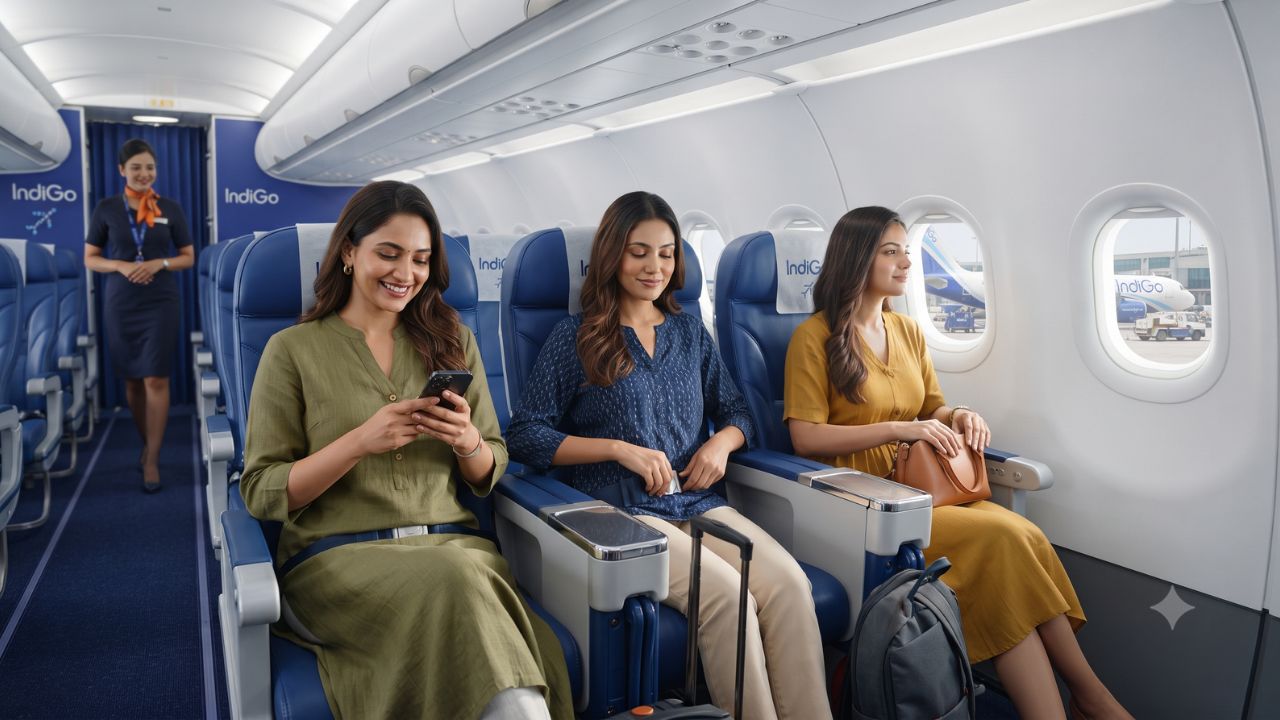
In a regional market long dominated by cutthroat price competition, cabin cleanliness has overtaken base fares as the decisive metric for passenger loyalty across South Asian airspace. Highlighting this transformation in flyer expectations, IndiGo has been officially recognized as the cleanest airline in India and South Asia, alongside capturing the title of Best Low-Cost Airline in India and South Asia at the 2026 Skytrax World Airline Awards. The distinction reflects global audit evaluations and direct passenger surveys measuring seat hygiene, lavatory upkeep, cabin presentation, and turnaround sanitization across thousands of daily domestic and international departures.
The Quality Pivot in South Asian Skies: Beyond Low Fares
For over a decade, budget aviation across the Indian subcontinent operated on razor-thin cost margins where rapid aircraft turnaround times often collided with passenger comfort. The 2026 passenger satisfaction data demonstrates that travelers on high-frequency regional corridors now evaluate the complete onboard environment before committing to bookings. As India's commercial aviation sector expands under regulatory oversight from the Directorate General of Civil Aviation, maintaining immaculate aircraft interiors across hundreds of daily rotations has become an essential competitive barrier.
IndiGo’s recognition highlights how operational scale and cabin hygiene can co-exist across a sprawling fleet. Operating an extensive network connecting Tier-1 metropolises like Delhi, Mumbai, and Bengaluru with emerging regional gateways and international destinations across Asia, the airline has embedded rigorous cleaning protocols into standard 30-minute turnarounds. Dedicated ground cleaning teams, modernized upholstery materials, and systematic maintenance schedules ensure that high-utilization Airbus narrowbody cabins retain a fresh, sanitized standard from dawn departures through midnight red-eyes.
Frequent corporate commuters and family holidaymakers traveling across South Asia increasingly view cabin condition as a proxy for overall airline reliability. When aircraft interiors appear spotless and well-maintained, passenger confidence in operational safety and service discipline rises proportionally. This dynamic has forced competing regional carriers to elevate their cabin sanitation standards, transforming passenger comfort into a core brand battleground rather than an afterthought.
What Sets Regional Fleet Management Apart in India
Maintaining consistent cleanliness standards across India presents unique operational challenges that temperate aviation markets rarely face. Aircraft frequently transition between extreme desert heat in Rajasthan, heavy monsoon humidity along the Western Ghats, and high-altitude alpine dryness in Ladakh within a single operational day. IndiGo's fleet architecture, predominantly comprised of fuel-efficient Airbus A320neo and A321neo aircraft, utilizes advanced cabin filtration systems equipped with High-Efficiency Particulate Air (HEPA) filters that cycle cabin air every two to three minutes.
Beyond mechanical filtration, the carrier has re-engineered its cabin touchpoints. Lightweight composite seating with stain-resistant upholstery reduces dust accumulation, while standardized cabin layouts streamline sanitization during quick domestic stops. For international routes extending to Central Asia, Southeast Asia, and the Middle East, enhanced deep-cleaning procedures between flight legs ensure long-haul transit passengers encounter identical standards whether departing from secondary regional airports or major international terminals.
Visitor Insider Tips: Navigating Indian Hubs and Booking Strategies
- Select Forward-Row Seats for Seamless Deplaning: IndiGo utilizes dual-door boarding and deplaning at most Indian airports. If you are connecting through dense hubs like Indira Gandhi International Airport in Delhi or Chhatrapati Shivaji Maharaj International Airport in Mumbai, book seats in rows 1 to 6 or rows 25 to 30 to exit ahead of baggage-claim bottlenecks.
- Leverage 6E Web Check-In to Avoid Terminal Queues: Mandatory web check-in opens 48 hours before departure. Generate your digital boarding pass and automated baggage tag barcodes on your smartphone before arriving at the airport to use automated self-bag-drop counters, saving 25 to 40 minutes during peak morning departure banks.
- Understand Strict Cabin Baggage Allowances: IndiGo strictly enforces the standard Indian domestic carry-on limit of one piece weighing no more than 7 kilograms, plus a small personal laptop bag or handbag. Airport security checkpoints will turn back oversized trolley bags, requiring gate-check fees if your hand luggage exceeds dimensions.
- Pre-Book Regional Meal Combos Online: IndiGo operates a buy-on-board catering model with freshly packed regional specialties such as masala paneer wraps and South Indian breakfast platters. Pre-booking hot meal selections online guarantees meal availability, as onboard catering inventory on popular 90-minute sectors often sells out mid-cabin.
- Allow Generous Connection Buffers During Winter Months: If flying through northern Indian hubs between December and February, dense seasonal fog can trigger air traffic flow management delays. Allow at least three hours for domestic-to-international transfers to absorb schedule adjustments smoothly.
Cultural and Environmental Context: Sustainable Aviation Growth
The unprecedented growth of air travel across India mirrors a national push toward regional economic integration and heritage tourism. As the Ministry of Tourism promotes cultural circuits connecting temple heritage towns, Himalayan retreats, and coastal sanctuaries, aviation infrastructure serves as the primary engine bringing travelers to historically isolated regions. However, this growth demands serious environmental stewardship to preserve the ecological balance of delicate destinations.
Modern fleet deployment plays a central role in mitigating environmental impact. New-generation neo engines deliver up to 20% lower fuel burn and reduced noise footprints compared to older aircraft types, significantly decreasing carbon emissions per passenger-kilometer across Indian airspace. Ground handling operations at major airports are simultaneously shifting toward electric tugs, solar-powered terminal gates, and paperless boarding workflows. Travelers can participate in responsible tourism by supporting regional artisans at local craft hubs, avoiding single-use plastics during transit, and opting for direct non-stop routings that reduce cycle emissions.
FAQ: Flying with IndiGo and Navigating Indian Aviation 2026
Why was IndiGo named the cleanest airline in India and South Asia?
The honor from the Skytrax World Airline Awards is based on comprehensive passenger satisfaction audits evaluating cabin cleanliness, seat presentation, washroom sanitation, and onboard hygiene standards across thousands of flights.
Does IndiGo operate international flights beyond South Asia?
Yes. IndiGo operates an expanding international network connecting Indian hubs with destinations across Central Asia, Southeast Asia, the Middle East, and Europe through direct services and codeshare partnerships.
How much baggage can I carry on domestic Indian flights?
Standard domestic economy tickets include 15 kilograms of checked baggage and one piece of cabin luggage weighing up to 7 kilograms. Extra baggage allowance can be pre-purchased online at discounted rates.
What should international travelers keep in mind when transiting Indian airports?
Ensure you possess necessary electronic transit or tourist visas, collect checked baggage if switching between domestic and international terminals on separate bookings, and verify terminal departure details in advance.
Across the fast-paced skies of South Asia, uncompromising cabin care and disciplined operations prove that high standards can flourish at every price point.
Related Travel Guides
Disclaimer
This article is for informational and educational purposes only. It does not constitute legal, financial, or professional advice. While we strive to provide accurate and up-to-date information, travel policies, regulations, and conditions change rapidly. Always verify information with official sources before making travel decisions. Nomad Lawyer makes no representations about the accuracy, reliability, completeness, or suitability of the information provided. Readers should consult qualified professionals for advice specific to their circumstances. The views expressed in this article are those of the author and do not necessarily reflect the views of Nomad Lawyer.
Raushan Kumar
Founder & Lead Developer
Full-stack developer with 11+ years of experience and a passionate traveller. Raushan built Nomad Lawyer from the ground up with a vision to create the best travel and law experience on the web.
Learn more about our team →