
Malaysia Airlines Launches Direct Flights to East Asia
Malaysia Airlines expands East Asia connectivity with new direct flights to Fukuoka, Shenzhen, and Changsha, boosting tourism and travel options.

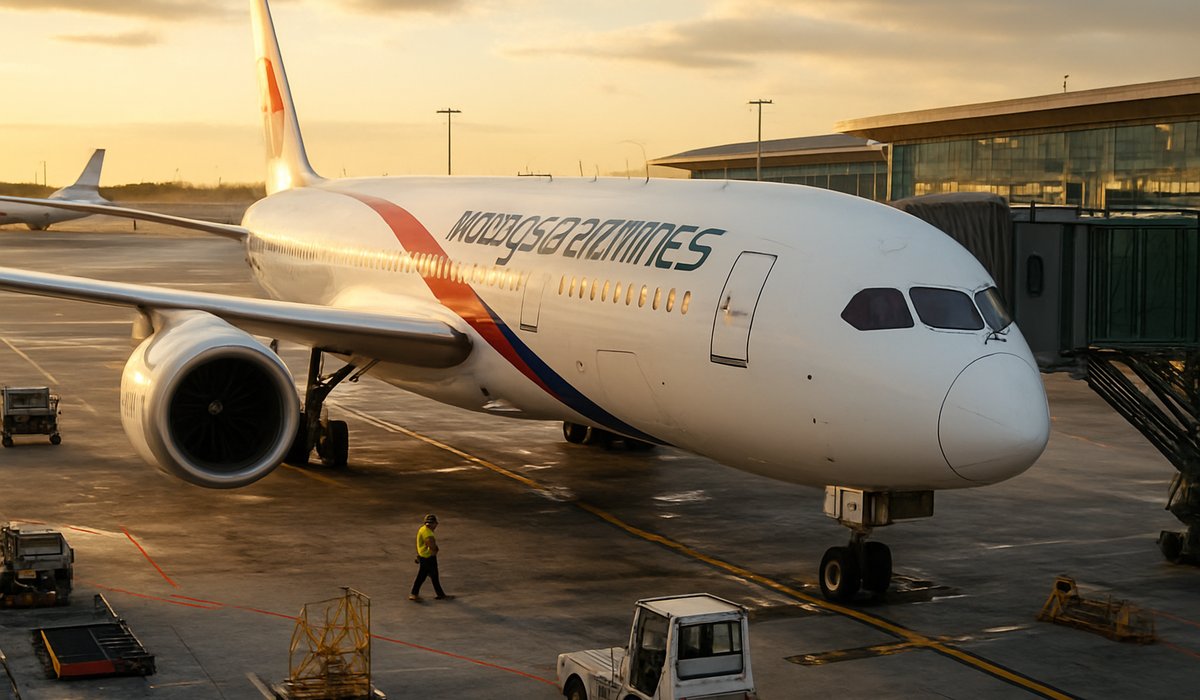
Image generated by AI
Malaysia Airlines has announced an exciting expansion of its route network, introducing three new direct flight services connecting Southeast Asia with key East Asian destinations. The carrier is launching direct flights to Fukuoka, Japan; Shenzhen, China; and Changsha, China, marking a significant milestone in enhancing connectivity between Malaysia and East Asia.
This strategic expansion addresses growing demand for seamless travel between these regions. Travelers will now enjoy reduced flight times, improved convenience, and enhanced tourism opportunities across Malaysia, Japan, and China. The new routes represent Malaysia Airlines' commitment to strengthening regional partnerships and boosting economic ties through improved air connectivity.
For business travelers, tourists, and expatriates, these direct flights eliminate the need for connecting flights, saving valuable time and reducing travel fatigue. The expansion also signals Malaysia's growing importance as a regional aviation hub and reflects the airline's confidence in the East Asian travel market's recovery and growth potential.
Understanding Malaysia Airlines' Strategic Route Expansion
Malaysia Airlines' decision to launch these three new routes reflects broader trends in Asian aviation and tourism recovery. The airline operates from Kuala Lumpur International Airport (KLIA), one of Southeast Asia's busiest aviation hubs, positioning it perfectly to serve as a gateway between Malaysia and East Asia.
The expansion targets three distinct markets with unique characteristics. Fukuoka serves as Japan's gateway to Southeast Asia, offering access to Kyushu's tourism attractions and business centers. Shenzhen represents one of China's most dynamic economic zones, while Changsha provides access to central China's growing tourism and business sectors.
Market Demand and Tourism Potential
The new routes capitalize on increasing bilateral tourism between Malaysia and East Asia. Pre-pandemic data showed millions of travelers annually between these regions, with demand rebounding strongly as travel restrictions eased. Malaysia's appeal as a tropical destination, combined with East Asia's technological and cultural attractions, creates natural synergies for tourism growth.
Operational Benefits
Direct flights offer significant operational advantages for both the airline and passengers. Reduced flight times mean lower fuel consumption, improved aircraft utilization, and better scheduling efficiency. For passengers, direct flights eliminate connection hassles, reducing overall travel time by 2-4 hours compared to connecting flights.
Strategic Positioning
By establishing these routes, Malaysia Airlines strengthens its competitive position against regional carriers. The airline now offers more comprehensive East Asia coverage, appealing to both leisure and business travelers seeking convenient connections through Kuala Lumpur.
New Route Details: Fukuoka, Shenzhen, and Changsha
Malaysia Airlines' three new destinations each offer distinct advantages and travel opportunities. Understanding these routes helps travelers maximize their East Asian experiences while supporting regional economic development.
Fukuoka: Japan's Gateway to Southeast Asia
Fukuoka is Japan's sixth-largest city and serves as the primary gateway to Kyushu, Japan's southernmost main island. The city boasts a population of approximately 2.9 million people and functions as a major business and tourism hub. Direct flights from Kuala Lumpur to Fukuoka significantly enhance accessibility to this vibrant region.
Fukuoka offers diverse attractions including Hakata Ramen, historic temples, beautiful gardens, and nearby hot springs. The city's Fukuoka Airport is conveniently located just 5 kilometers from the city center, making ground transportation quick and efficient. Business travelers benefit from Fukuoka's status as a regional economic center, while tourists enjoy proximity to natural attractions and cultural sites.
The direct flight route opens opportunities for Malaysian tourists to explore Kyushu's natural beauty, including volcanic landscapes, coastal areas, and traditional Japanese culture. Business connections between Malaysia and Fukuoka's manufacturing and technology sectors are expected to strengthen significantly.
Shenzhen: China's Economic Powerhouse
Shenzhen has transformed from a fishing village into one of China's most important economic zones over the past four decades. With a population exceeding 12 million people, Shenzhen serves as a major hub for technology, finance, and manufacturing industries.
The city attracts millions of business travelers annually, making direct flights from Malaysia essential for corporate connectivity. Shenzhen's Bao'an International Airport is one of China's busiest, handling over 50 million passengers annually. Direct Malaysia Airlines flights enhance accessibility for Malaysian entrepreneurs, investors, and business professionals.
Beyond business, Shenzhen offers modern attractions, shopping districts, theme parks, and cultural experiences. The city's proximity to Hong Kong and other Guangdong Province destinations makes it an excellent base for exploring southern China. Direct flights reduce travel friction for Malaysian tourists seeking contemporary Chinese experiences.
Changsha: Central China's Rising Star
Changsha, capital of Hunan Province, represents central China's growing tourism and business potential. With approximately 8 million residents, Changsha is emerging as an important regional center for commerce, education, and culture.
The city offers rich historical heritage, including sites related to Chinese revolutionary history and ancient dynasties. Changsha's Huanghua International Airport has undergone significant expansion, improving international connectivity. Direct flights from Malaysia position Changsha as an accessible destination for Malaysian travelers interested in authentic central Chinese experiences.
Changsha's strategic location provides easy access to surrounding attractions, including the Zhangjiajie National Forest Park (famous for its dramatic sandstone formations) and other natural wonders. The city's growing business sector, particularly in manufacturing and technology, creates opportunities for corporate travel and investment exploration.
Impact on Tourism and Business Travel
The introduction of three new direct routes fundamentally transforms travel dynamics between Malaysia and East Asia. These flights generate cascading benefits across tourism, business, and economic sectors.
Tourism Growth Projections
Industry analysts expect significant increases in bilateral tourism following the route launches. Direct flights reduce travel barriers, encouraging spontaneous travel and longer stays. Malaysian tourists gain easier access to East Asian destinations, while Japanese and Chinese visitors find Malaysia more accessible.
Tourism boards in all three regions are preparing marketing campaigns to capitalize on improved connectivity. Hotels, restaurants, and attractions in Fukuoka, Shenzhen, and Changsha are positioning themselves to welcome increased Malaysian visitor numbers. Similarly, Malaysian tourism operators are developing packages targeting East Asian travelers.
Business Travel Enhancement
Corporate travel between Malaysia and East Asia is expected to surge with direct flight availability. Business professionals can now conduct same-day meetings across regions, improving efficiency and reducing travel costs. Companies with operations in multiple countries benefit from simplified logistics and reduced travel time.
The routes particularly benefit Malaysian companies with manufacturing or sourcing operations in China, as well as Japanese firms with regional headquarters in Malaysia. Direct flights facilitate executive visits, client meetings, and supply chain management activities.
Economic and Trade Implications
Improved air connectivity typically correlates with increased bilateral trade and investment. Easier business travel encourages partnerships, joint ventures, and foreign direct investment. The routes support Malaysia's positioning as a regional business hub and strengthen economic ties with East Asia.
Regional airlines report that new routes typically generate 15-25% increases in bilateral trade within two years of launch. Malaysia Airlines' expansion is expected to follow similar patterns, benefiting multiple economic sectors.
Practical Travel Information for Passengers
Understanding flight schedules, booking procedures, and travel logistics helps passengers maximize benefits from Malaysia Airlines' new routes.
Flight Schedule and Frequency
Malaysia Airlines has announced daily or near-daily service on the new routes, though exact schedules may vary seasonally. Passengers should check the airline's official website for current flight times, as schedules may be adjusted based on demand and operational considerations.
Flight durations are approximately:
- Kuala Lumpur to Fukuoka: 4.5-5 hours
- Kuala Lumpur to Shenzhen: 3-3.5 hours
- Kuala Lumpur to Changsha: 3.5-4 hours
Booking and Fare Information
Passengers can book flights through Malaysia Airlines' official website, mobile app, or authorized travel agents. Early booking typically offers better fares, particularly for leisure travelers. Business class and economy options are available on all routes.
Special promotional fares are often available during launch periods, making this an excellent time for budget-conscious travelers to book. Frequent flyer members earn miles on all new routes, providing additional value for loyal passengers.
Visa and Documentation Requirements
Travelers should verify visa requirements for their destination well in advance. Malaysia citizens enjoy visa-free or visa-on-arrival access to Japan, while China visa requirements vary by nationality. Changsha and Shenzhen both require appropriate Chinese visas for most nationalities.
Passport validity must extend at least six months beyond travel dates. Travel insurance is recommended, particularly for international trips. Passengers should check current travel advisories and health requirements before booking.
Ground Transportation and Connections
All three destination airports offer efficient ground transportation options including taxis, public transit, and rental cars. Fukuoka Airport's proximity to the city center (5 km) makes ground transportation particularly convenient. Shenzhen and Changsha airports are located approximately 30-40 kilometers from city centers, with express bus and train services available.
Malaysia Airlines offers ground transportation packages through its website, simplifying travel logistics for international passengers unfamiliar with local systems.
Competitive Landscape and Market Implications
Malaysia Airlines' route expansion occurs within a competitive regional aviation market featuring numerous carriers and established routes. Understanding competitive dynamics provides context for these strategic decisions.
Competitive Positioning
Other regional carriers including AirAsia, China Southern Airlines, and China Eastern Airlines operate routes between Malaysia and East Asia. Malaysia Airlines' full-service offering differentiates it from low-cost competitors, appealing to business travelers and premium leisure passengers.
The new routes strengthen Malaysia Airlines' position as a full-service carrier competing on convenience, service quality, and connectivity rather than price alone. Direct flights provide competitive advantages over connecting flight options offered by other carriers.
Market Consolidation Trends
The aviation industry has experienced significant consolidation and partnership development in recent years. Malaysia Airlines' expansion reflects confidence in regional market recovery and growth potential. The routes support the airline's broader strategy of strengthening regional connectivity and market presence.
Impact on Regional Aviation
These new routes contribute to broader regional aviation growth and improved connectivity across Southeast Asia and East Asia. Increased competition benefits consumers through improved service quality and expanded options. Regional airports benefit from increased traffic and economic activity.
Conclusion
Malaysia Airlines' launch of direct flights to Fukuoka, Shenzhen, and Changsha represents a significant milestone in East Asian aviation connectivity. These routes address growing demand for seamless travel between Malaysia and key East Asian destinations, benefiting tourists, business travelers, and regional economies.
The expansion demonstrates Malaysia Airlines' commitment to strengthening regional partnerships and positioning Malaysia as a premier Southeast Asian aviation hub. Direct flights eliminate connection hassles, reduce travel time, and enhance convenience for millions of potential travelers across the region.
For travelers, these new routes offer immediate practical benefits: reduced flight times, improved scheduling flexibility, and enhanced access to East Asian destinations. For businesses, direct flights facilitate corporate travel, strengthen supply chain efficiency, and support investment activities. For regional economies, improved connectivity typically generates increased tourism revenue, trade growth, and foreign investment.
As these routes become established, expect continued growth in bilateral tourism and business activity between Malaysia and East Asia. The aviation industry will likely see competitive responses from other carriers, potentially leading to additional route launches and service improvements benefiting all travelers.
Passengers interested in exploring Fukuoka's cultural attractions, Shenzhen's modern dynamism, or Changsha's historical richness now have unprecedented convenience. Malaysia Airlines' strategic expansion opens new possibilities for regional travel and strengthens economic ties across East Asia. Whether traveling for business or leisure, these direct flights represent a transformative development in regional aviation connectivity.
Related Travel Guides
- Avelo Airlines Abandons International Expansion, Pivots to Domestic-Only Strategy Amid Reputational Challenges
- Qatar Airways and Uber for Business Launch Global Corporate Travel Integration with Qrewards Uber Vouchers
- Nesma Airlines Launches Direct Cairo to Istanbul Flights via Sabiha Gökçen Airport, Bypassing Mediterranean Flight Cancellations, Airport Disruptions, and Passenger Travel Chaos: New Airline News and Aviation Updates
Disclaimer
This article is for informational and educational purposes only. It does not constitute legal, financial, or professional advice. While we strive to provide accurate and up-to-date information, travel policies, regulations, and conditions change rapidly. Always verify information with official sources before making travel decisions. Nomad Lawyer makes no representations about the accuracy, reliability, completeness, or suitability of the information provided. Readers should consult qualified professionals for advice specific to their circumstances. The views expressed in this article are those of the author and do not necessarily reflect the views of Nomad Lawyer.
Raushan Kumar
Founder & Lead Developer
Full-stack developer with 11+ years of experience and a passionate traveller. Raushan built Nomad Lawyer from the ground up with a vision to create the best travel and law experience on the web.
Learn more about our team →