
Major US Airlines Cancel 200+ Flights Amid East Coast Disruptions
Delta, American, Southwest, and Air Canada face massive disruptions with 200+ cancellations and 3,000 delays affecting New York, Boston, and DC airports.

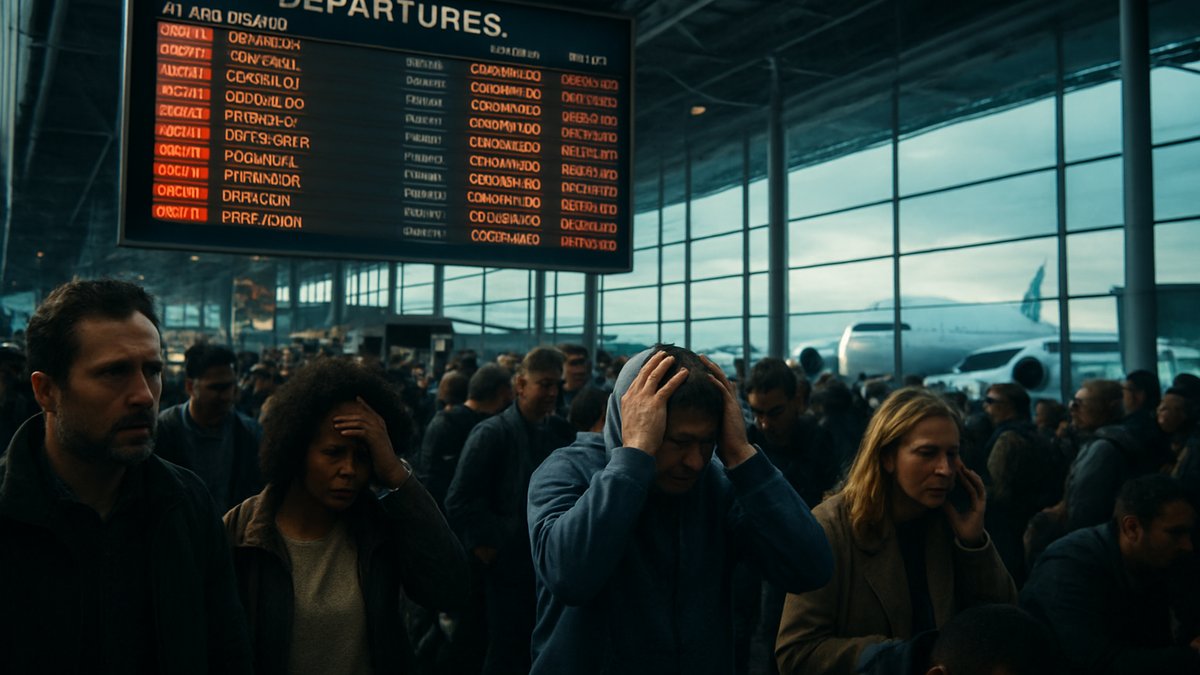
Image generated by AI
Thousands of travelers across the United States are experiencing significant travel disruptions as major airlines including Delta, Air Canada, American Airlines, and Southwest grapple with unprecedented operational challenges. The situation has resulted in over 200 flight cancellations and approximately 3,000 delays affecting major hubs including New York, Boston, Connecticut, Washington D.C., and surrounding regions. This widespread disruption represents one of the most significant travel crises in recent months, leaving passengers stranded, frustrated, and scrambling to find alternative travel arrangements. Understanding what's happening, why it matters, and how to navigate these challenges is essential for anyone planning to travel through the Northeast corridor or connecting through these major airports. Whether you're a frequent flyer or an occasional traveler, this situation underscores the importance of staying informed and prepared for unexpected disruptions in air travel.
Understanding Flight Cancellations and Delays: Key Definitions
Flight cancellations occur when airlines completely remove a scheduled flight from their operations, typically due to mechanical issues, crew unavailability, severe weather, or operational constraints. Flight delays, conversely, happen when aircraft depart or arrive later than their scheduled times, ranging from minor 15-minute postponements to multi-hour disruptions. The distinction matters significantly for travelers, as cancellations require rebooking on alternative flights, while delays may still allow passengers to reach their destinations, albeit later than planned.
The current situation affecting East Coast airports demonstrates how quickly operational challenges can cascade through the aviation system. When major hubs like New York's JFK, LaGuardia, and Newark airports experience disruptions, the ripple effects extend nationwide. These airports serve as crucial connection points for domestic and international flights, meaning delays and cancellations here impact travelers far beyond the immediate region.
Why These Disruptions Matter
The 3,000 delays and 200+ cancellations represent more than just inconvenience. They translate to thousands of missed connections, business meetings, family reunions, and vacation plans. Airlines lose revenue, passengers incur additional expenses for hotels and meals, and the broader travel ecosystem experiences strain. Understanding the mechanics behind these disruptions helps travelers make informed decisions about their travel plans and manage expectations during peak travel periods.
Common Causes of Mass Disruptions
Several factors typically contribute to widespread flight disruptions:
- Severe weather conditions affecting multiple airports simultaneously
- Staffing shortages among pilots, flight attendants, and ground crews
- Mechanical issues requiring aircraft maintenance and repairs
- Air traffic control constraints limiting airport capacity
- System outages affecting booking and operational systems
- Cascading delays where early disruptions compound throughout the day
Major Airlines Affected: Delta, American, Southwest, and Air Canada
Delta Air Lines, one of the world's largest carriers, has been significantly impacted by the current disruptions. As a major hub operator at Atlanta, New York, and Boston, Delta's operational challenges directly affect thousands of daily passengers. The airline's extensive network means that disruptions at East Coast airports quickly propagate to connecting flights across the country.
American Airlines, another major player in the aviation industry, operates substantial operations from Boston Logan and Washington D.C.'s Reagan National Airport. The airline's significant cancellations and delays have left passengers frustrated, particularly those with tight connections or time-sensitive travel needs. American's hub-and-spoke model means that disruptions at key airports create cascading effects throughout their network.
Southwest Airlines, known for its point-to-point network model, has also experienced substantial disruptions. Unlike hub-based carriers, Southwest's operational challenges often stem from crew scheduling and aircraft availability issues. The airline's high-frequency operations mean that even modest disruptions can result in significant cumulative delays.
Air Canada, while primarily a Canadian carrier, operates extensive service to major U.S. East Coast airports. The airline's involvement in these disruptions highlights how international carriers are equally vulnerable to regional operational challenges. Air Canada's transatlantic and cross-border operations mean that delays affect passengers traveling between the U.S. and Canada.
Impact on Specific Airports
New York area airports (JFK, LaGuardia, Newark) serve as critical hubs for multiple carriers. These airports handle over 130 million passengers annually, making disruptions here particularly consequential. The concentration of flights and passengers means that even minor operational issues can quickly escalate into major disruptions.
Boston Logan International Airport serves as a major hub for American Airlines and a significant focus city for other carriers. The airport's role in Northeast Corridor travel makes it essential for regional and national connectivity.
Washington D.C. airports (Reagan National, Dulles, BWI) handle substantial traffic for business and leisure travelers. Disruptions here particularly affect government employees, business travelers, and tourists visiting the nation's capital.
Causes and Contributing Factors Behind the Disruptions
The current wave of disruptions stems from multiple interconnected factors rather than a single cause. Understanding these contributing elements helps travelers anticipate future disruptions and plan accordingly.
Operational and Staffing Challenges
Airlines across the industry have faced persistent staffing challenges since the pandemic recovery period. Pilot shortages, flight attendant availability issues, and ground crew constraints create bottlenecks in operations. When multiple carriers simultaneously experience staffing constraints, the cumulative effect creates system-wide disruptions. Crew scheduling conflicts often force airlines to cancel flights rather than operate them with insufficient staffing.
The current situation may reflect seasonal staffing challenges, illness-related absences, or training delays for new crew members. Airlines operating at near-maximum capacity have little flexibility to absorb these staffing gaps, resulting in cascading cancellations.
Weather and Environmental Factors
While not always the primary cause, adverse weather conditions frequently exacerbate operational challenges. Spring weather patterns in the Northeast can be unpredictable, with sudden thunderstorms, fog, or wind conditions affecting airport operations. When weather impacts multiple airports simultaneously, the aviation system's capacity becomes severely constrained.
Mechanical and Technical Issues
Aircraft maintenance requirements, unexpected mechanical discoveries, and technical system failures can ground aircraft unexpectedly. When multiple aircraft require simultaneous maintenance, airlines lack sufficient backup aircraft to maintain their schedules. Mechanical disruptions often cascade because airlines must reallocate remaining aircraft to cover critical routes, leaving other flights without equipment.
System and Infrastructure Constraints
Air traffic control limitations, runway maintenance, or ground infrastructure issues can reduce airport capacity. When airports operate below normal capacity, airlines must reduce flight frequencies, resulting in cancellations or consolidations of flights.
Passenger Rights and Compensation Options
Travelers affected by flight cancellations and delays have specific legal rights depending on their circumstances and the airline involved. Understanding these rights empowers passengers to seek appropriate compensation and rebooking options.
U.S. Department of Transportation Regulations
The U.S. Department of Transportation (DOT) establishes passenger protection rules for domestic flights. Airlines must provide rebooking on the next available flight at no additional cost when they cancel flights. For cancellations within 14 days of the original flight, airlines must offer rebooking or a refund.
Compensation eligibility depends on the cancellation cause. Airlines are not required to provide monetary compensation if the cancellation results from extraordinary circumstances beyond their control, such as severe weather or air traffic control decisions. However, if the cancellation stems from operational issues within the airline's control, passengers may be entitled to compensation.
Practical Steps for Affected Passengers
If your flight is cancelled or significantly delayed, take these immediate actions:
- Contact your airline directly through their customer service channels
- Request rebooking on the next available flight to your destination
- Ask about alternative airlines if your carrier cannot accommodate you
- Document all expenses incurred due to the disruption (meals, hotels, transportation)
- Request written confirmation of your new flight details and any compensation eligibility
- File a complaint with the DOT if you believe your rights were violated
Compensation and Reimbursement
Airlines typically cover meal and beverage expenses for passengers stranded overnight due to cancellations. Many airlines also provide hotel accommodations and ground transportation. However, compensation policies vary by airline and specific circumstances.
Travel insurance can provide additional protection, covering non-refundable expenses and offering compensation for trip disruptions. Passengers without insurance should carefully document all expenses for potential reimbursement claims.
Strategies for Navigating Current Travel Disruptions
Travelers planning to fly through affected airports should implement proactive strategies to minimize disruption impact.
Before Your Trip
Book flights strategically by choosing early morning departures when possible. Early flights experience fewer cascading delays from previous disruptions. Avoid tight connections, particularly at major hubs, by allowing at least two hours between flights.
Monitor airline communications closely in the days before your flight. Airlines typically provide advance notice of potential disruptions. Sign up for flight status alerts through your airline's app or website to receive real-time updates.
Consider alternative airports if available. Flying into a secondary airport may offer better reliability than major hubs experiencing disruptions.
During Your Trip
Arrive at the airport early, particularly during periods of known disruptions. Early arrival provides time to address issues and explore alternative flights if needed.
Stay connected by maintaining charged devices and accessing airline apps for real-time information. Airlines communicate flight changes through apps and text alerts before announcements.
Know your rights regarding rebooking and compensation. This knowledge empowers you to advocate effectively for yourself and other passengers.
After Disruptions Occur
Document everything related to your disruption, including flight confirmations, receipts, and communication with airline staff. This documentation supports compensation claims.
File complaints with the DOT if you believe your rights were violated. The DOT tracks airline performance and uses complaint data to enforce passenger protection regulations.
Consider compensation services that specialize in pursuing airline compensation claims on behalf of passengers. These services typically work on contingency, taking a percentage of recovered compensation.
Looking Ahead: What Travelers Should Expect
The current disruptions highlight systemic challenges in the aviation industry that may persist in the near term. Airlines continue managing staffing constraints, aging aircraft fleets, and infrastructure limitations. Travelers should anticipate potential disruptions, particularly during peak travel seasons and in major metropolitan areas.
Industry recovery depends on multiple factors, including successful crew hiring and training, aircraft maintenance completion, and infrastructure improvements. Airlines are investing in technology and operational improvements to enhance reliability, but these changes take time to implement fully.
Passengers should remain flexible with travel plans, maintain realistic expectations about on-time performance, and stay informed about their rights and options. The aviation industry's complexity means that disruptions will occasionally occur, but informed travelers can navigate these challenges more effectively.
Conclusion
The current wave of flight cancellations and delays affecting major U.S. East Coast airports represents a significant disruption to air travel, with over 200 cancellations and 3,000 delays impacting thousands of passengers. Delta, American Airlines, Southwest, and Air Canada are among the carriers experiencing substantial operational challenges, affecting airports in New York, Boston, Connecticut, Washington D.C., and surrounding regions.
These disruptions stem from multiple interconnected factors, including staffing constraints, mechanical issues, weather conditions, and infrastructure limitations. Understanding the causes helps travelers anticipate future disruptions and plan accordingly. Passengers affected by cancellations and delays have specific legal rights, including rebooking options and potential compensation eligibility under DOT regulations.
By implementing proactive strategies—such as booking early flights, monitoring airline communications, allowing adequate connection time, and understanding passenger rights—travelers can minimize disruption impact. Documenting expenses, filing complaints with the DOT, and considering compensation services helps passengers recover losses from significant disruptions.
The aviation industry continues addressing systemic challenges affecting reliability. While disruptions may occasionally occur, informed travelers equipped with knowledge about their rights and practical navigation strategies can manage these situations more effectively. As you plan future travel through major East Coast airports, remain flexible, stay informed, and remember that preparation and knowledge are your best tools for navigating air travel disruptions.
Related Travel Guides
Disclaimer
This article is for informational and educational purposes only. It does not constitute legal, financial, or professional advice. While we strive to provide accurate and up-to-date information, travel policies, regulations, and conditions change rapidly. Always verify information with official sources before making travel decisions. Nomad Lawyer makes no representations about the accuracy, reliability, completeness, or suitability of the information provided. Readers should consult qualified professionals for advice specific to their circumstances. The views expressed in this article are those of the author and do not necessarily reflect the views of Nomad Lawyer.
Raushan Kumar
Founder & Lead Developer
Full-stack developer with 11+ years of experience and a passionate traveller. Raushan built Nomad Lawyer from the ground up with a vision to create the best travel and law experience on the web.
Learn more about our team →