
Maine Travel Boom Accelerates as Spring Hotel Demand Surges Across Scenic New England
Maine Travel Boom Accelerates as Spring Hotel Demand Surges Across Scenic New England

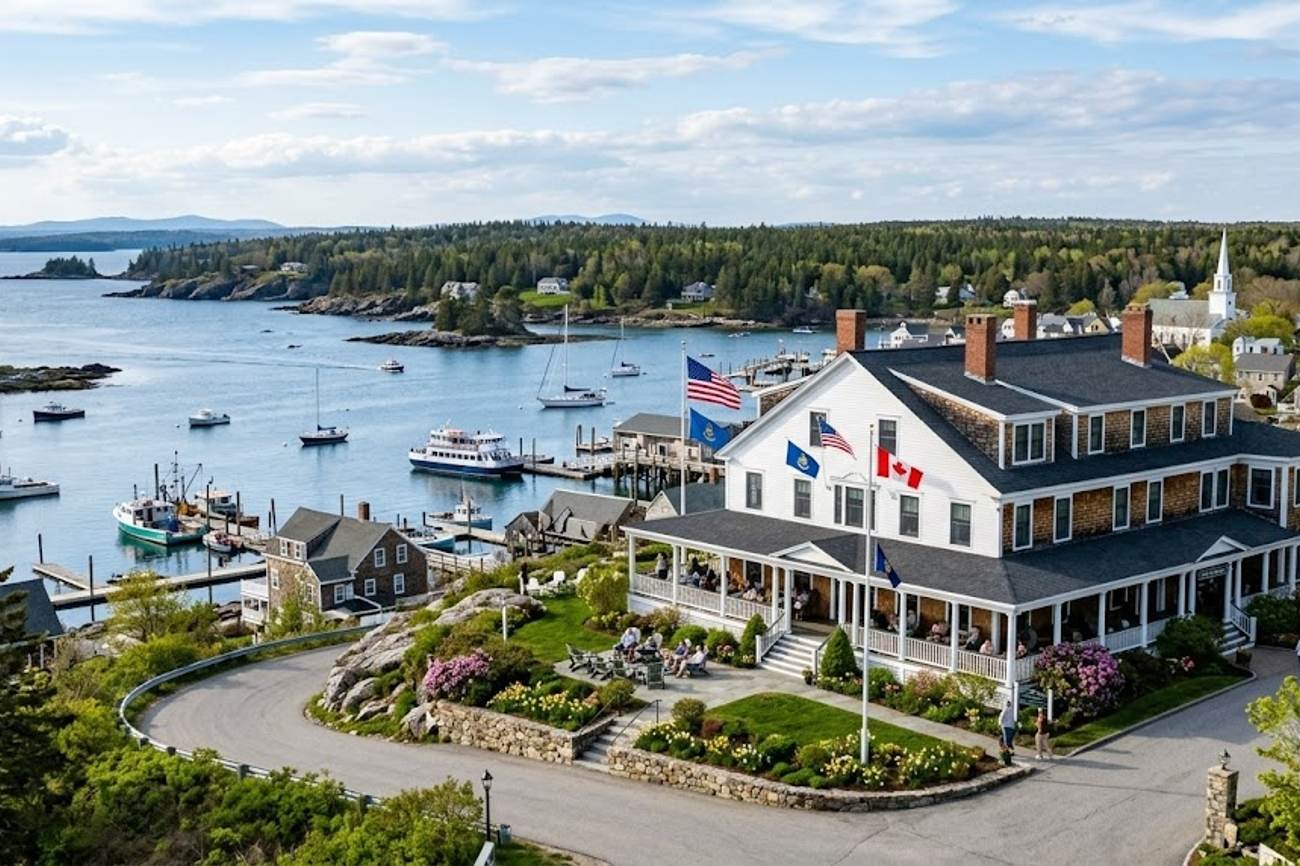
Image generated by AI
14.15 million visitors descended upon Maine in 2025, fueling a massive $16.56 billion total economic impact. This staggering figure underscores a fundamental pivot in New England’s tourism architecture: the state is successfully breaking its historical dependence on the volatile summer peak by cultivating a robust, year-round demand cycle. While Maine has long been a seasonal sanctuary, recent data indicates a significant surge in spring lodging demand, signaling a structural shift toward "shoulder season" travel that stabilizes the local hospitality economy.
The Erosion of the Seasonal Monopoly
For decades, Maine’s tourism economy operated on a binary system—hyper-congestion during the summer months followed by a dormant winter. This volatility created precarious conditions for small business owners and hotel operators who had to generate the vast majority of their annual revenue in a narrow 90-day window. However, the current trajectory reveals a move toward "slow travel," where visitors intentionally avoid the mid-summer crowds in favor of the quieter, more authentic atmosphere of the spring.
This transition is not accidental but is the result of a strategic repositioning by the Maine Office of Tourism, which has pivoted from promoting the state as a summer escape to branding it as a four-season destination. By highlighting spring-specific activities—such as coastal wildlife viewing, hiking, and culinary exploration—the state is successfully redistributing visitor traffic across the calendar. This shift reduces the strain on infrastructure in hotspots like Bar Harbor and Acadia National Park during July and August while providing a critical financial lifeline to hospitality providers in April and May.
Economic Metrics and the Hospitality Ripple Effect
The financial scale of Maine's tourism sector is vast, extending far beyond simple hotel bookings. The $9.37 billion in direct visitor spending creates a multiplier effect that sustains a diverse ecosystem of secondary service providers.
| Metric | 2025 Value |
|---|---|
| Total Visitor Count | 14.15 Million |
| Direct Visitor Spending | $9.37 Billion |
| Total Economic Impact | $16.56 Billion |
| Tourism-Supported Jobs | 108,800 |
The increase in spring hotel demand acts as a catalyst for this entire network. When a traveler books a room in a coastal inn during the shoulder season, the spending leaks into local fisheries, craft breweries, and independent retailers. This is particularly evident in hubs like Portland, Kennebunkport, and Rockland, where the "culinary tourism" trend is driving traffic. Food is no longer a secondary consideration for the modern traveler; it is a primary motivator. The demand for Maine lobster, oysters, and farm-to-table experiences provides a steady revenue stream for fishermen and farmers long before the summer rush begins.
Expert Analysis: The Strategic Pivot to Shoulder Seasoning
From a logistical and business perspective, the rise in spring demand is a hedge against the risks of "overtourism" and climate volatility. For travelers booking these routes, the direct consequence is a more personalized, less commodified experience. The pricing pressure created by this shift is twofold: while it may slightly raise baseline prices during the spring due to increased demand, it potentially mitigates the extreme price gouging often seen during the summer peak by spreading the demand curve.
The growth of nature-based tourism, centered around the National Park Service's management of Acadia National Park, is the primary engine here. By promoting "wellness-focused" holidays and quiet-trail exploration, Maine is capturing a high-value demographic: the experience-seeker. These travelers typically stay longer and spend more per capita than the traditional weekend tourist.
Furthermore, the emphasis on sustainable tourism is a necessary defensive measure. As visitor numbers climb toward the 15-million mark, the risk of environmental degradation in fragile coastal ecosystems increases. By steering visitors toward the shoulder seasons, the state reduces the peak-load pressure on trails and waste management systems, ensuring that the "rugged" appeal of the coastline remains intact. For the business owner, this means a more predictable labor market; instead of hiring a massive seasonal workforce for three months, they can maintain a more stable, year-round staff.
Key Takeaways
- Economic Scale: Maine’s tourism industry is a powerhouse, supporting 108,800 jobs and generating a total economic impact of $16.56 billion.
- Seasonal Shift: There is a measurable increase in spring hotel demand, reflecting a broader traveler preference for "slow travel" and avoiding summer crowds.
- Culinary Driver: Gastronomy—specifically seafood and farm-to-table dining—has evolved from a trip activity into a primary destination driver.
- Infrastructure Focus: The state is prioritizing sustainable growth to protect natural assets in Acadia National Park and coastal villages from the effects of increased volume.
- Revenue Stabilization: Extended lodging demand in the spring provides critical economic support to hospitality businesses before the peak summer window.
FAQ: Maine Tourism 2025
When is the best time to visit Maine to avoid crowds? Spring and autumn (the shoulder seasons) offer the most relaxed experience. Visitors can enjoy Acadia National Park and coastal towns like Bar Harbor with significantly fewer crowds than during the July-August peak.
What are the top destinations for food tourism in Maine? Portland is the primary hub for culinary exploration, but coastal towns like Rockland and Kennebunkport are essential for authentic seafood, lobster shacks, and farm-to-table dining experiences.
Is Acadia National Park accessible in the spring? Yes, though some high-altitude roads may have limited access. Spring is an ideal time for birdwatching, cycling, and hiking the granite mountains without the summer congestion.
How is Maine promoting sustainable travel? The state encourages responsible visitor behavior, focusing on the protection of coastal environments and wildlife trails to ensure that tourism growth does not compromise the natural landscape.
The transition from a seasonal outpost to a year-round destination marks the professionalization of Maine's tourism economy.
Tags: Maine Office of Tourism, Acadia National Park, New England Hospitality, Shoulder Season Travel, Maine Culinary Tourism 2025
Related Travel Guides
- Spain Joins United Kingdom and Other Nations Target American Tourists to Make Pocket Full of Money from Tourism Revenue
- Bolivia Unveils Samkani Camp Bringing Luxury Stays To Uyuni Salt Flats In 2027
- Jackson Hole Aligns Alaska and Park City Set for a High-Adrenaline US Winter Adventure Tourism Boom in December 2026
Disclaimer
This article is for informational and educational purposes only. It does not constitute legal, financial, or professional advice. While we strive to provide accurate and up-to-date information, travel policies, regulations, and conditions change rapidly. Always verify information with official sources before making travel decisions. Nomad Lawyer makes no representations about the accuracy, reliability, completeness, or suitability of the information provided. Readers should consult qualified professionals for advice specific to their circumstances. The views expressed in this article are those of the author and do not necessarily reflect the views of Nomad Lawyer.
Kunal K Choudhary
Co-Founder & Contributor
A passionate traveller and tech enthusiast. Kunal contributes to the vision and growth of Nomad Lawyer, bringing fresh perspectives and driving the community forward.
Learn more about our team →