
Maharashtra Approves ₹993 Crore for Sacred Sites and Heritage Development 2026
Maharashtra government allocates nearly ₹1 billion toward preservation and infrastructure expansion at six major pilgrimage sites and historical forts in 2026, boosting cultural tourism across the state.

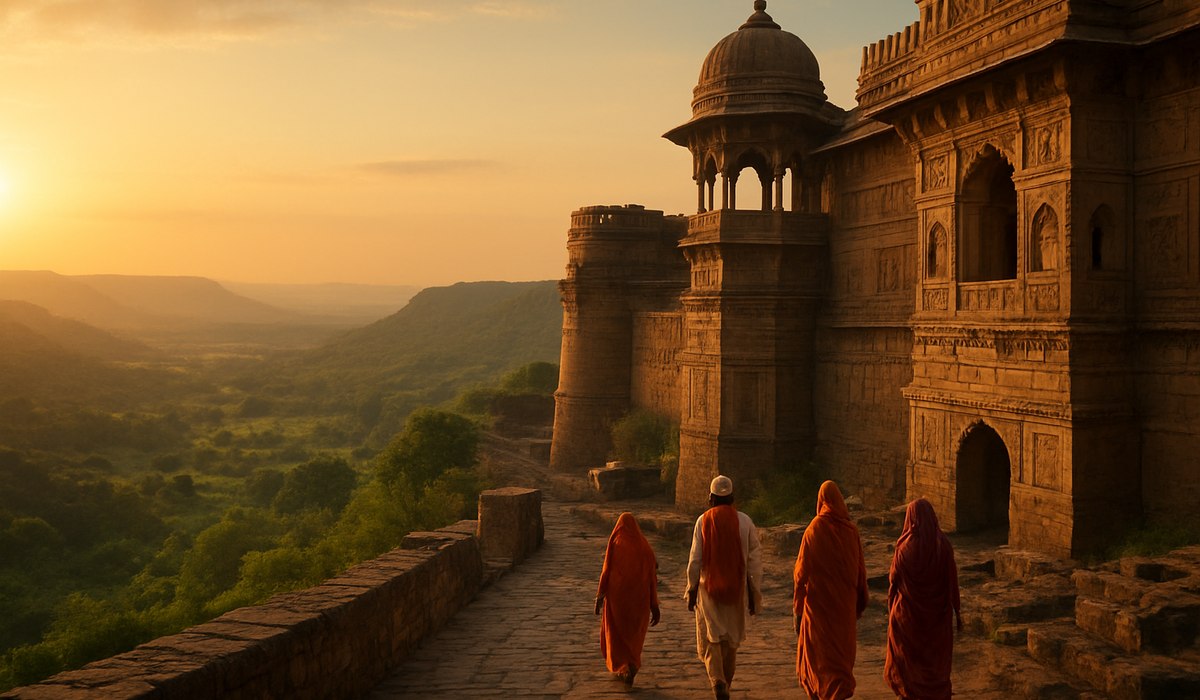
Image generated by AI
Maharashtra's ₹993 Crore Heritage Development Initiative Transforms Sacred Tourism Landscape
Maharashtra government has unveiled an ambitious ₹993.72 crore investment plan targeting six pivotal pilgrimage sites and historical fortifications across the state. This landmark decision, announced in May 2026, prioritizes comprehensive preservation, conservation, and modern infrastructure development to enhance visitor experiences at these culturally significant destinations. The initiative addresses long-standing maintenance challenges while positioning Maharashtra as a premier hub for religious and heritage tourism in South Asia.
The approved maha approves 993cr initiative represents one of the largest coordinated heritage investments in Maharashtra's recent history. These funds address critical infrastructure gaps, improve accessibility, and ensure sustainable conservation of irreplaceable cultural assets that attract millions of devotees and tourists annually.
Six Priority Sites Receiving Major Investment
The maha approves 993cr funding distributes resources strategically across six carefully selected locations, each holding profound spiritual and historical significance. Bhimashankar Temple, one of the twelve sacred Jyotirlingas, receives substantial allocation for structural repairs and visitor amenities. Sant Tukaram Maharaj's birthplace at Dehu will benefit from heritage museum development and spiritual tourism infrastructure enhancements.
Ajinkyatara Fort, perched dramatically above Satara, requires extensive restoration work on bastions and defensive structures. Sangam Mahuli, an ancient sacred confluence site, will see improved access pathways and ablution facilities. Grishneshwar Temple, another Jyotirlinga shrine, needs comprehensive modernization of pilgrimage infrastructure. Parli Vaijnath rounds out the portfolio, hosting one of Maharashtra's most visited Jyotirlinga destinations.
Visit Maharashtra Tourism Board for official updates on these development initiatives and travel planning resources.
Infrastructure and Conservation Focus Areas
Development priorities balance preservation authenticity with modern visitor convenience. Structural conservation includes foundation reinforcement, roof repairs, and temple courtyard stabilization using heritage-sensitive materials. Conservation specialists will employ traditional craftsmanship techniques wherever possible to maintain architectural integrity.
Infrastructure improvements address practical tourism needs: expanded parking facilities, improved signage in multiple languages, enhanced sanitation systems, and accessible pathways for elderly and mobility-challenged pilgrims. Water management systems receive significant attention, particularly at riverine sites like Sangam Mahuli. Digital amenities, including QR-coded heritage interpretation boards, will educate visitors about historical and spiritual significance.
Security infrastructure upgrades ensure crowd management during peak pilgrimage seasons. Emergency medical facilities will be established or expanded at each site. Local artisan communities will gain employment through heritage restoration contracts, supporting grassroots economic development.
Check TripAdvisor for traveler reviews and practical visitor insights about these destinations.
Impact on Religious and Cultural Tourism
The maha approves 993cr investment catalyzes broader economic benefits across Maharashtra's tourism sector. Enhanced infrastructure attracts international heritage tourists alongside domestic pilgrims, extending visitor stays and increasing local hospitality spending. Cultural festivals at these sites will gain prominence as facilities improve, potentially rivaling major pilgrimage destinations in North and South India.
Regional hospitality businesses anticipate increased accommodation bookings, restaurant patronage, and local craft sales. Village economies surrounding these sites benefit from employment opportunities in construction, maintenance, heritage interpretation, and tourism services. Educational institutions gain resources for cultural heritage programs and student engagement opportunities.
This strategic investment aligns with India's broader "Swadesh Darshan" initiative, integrating local communities into sustainable tourism development. Maharashtra positions itself as a destination combining spiritual authenticity with contemporary tourism infrastructure, differentiating itself from competitor states.
Best Time to Visit Maharashtra's Sacred Sites
Pilgrimage season typically runs from October through March, when moderate temperatures and reduced monsoon activity create optimal conditions for traveling and undertaking religious journeys. December and January experience peak visitor volumes, particularly around Makar Sankranti celebrations at river confluence sites.
Summer months (April-May) present challenging conditions with temperatures exceeding 38°C at fort locations and lower-altitude temples. Monsoon season (June-September) brings spectacular landscape transformations but complicates fort access and spiritual bathing rituals. Navratri celebrations (September-October) and Diwali periods (October-November) attract substantial pilgrim crowds seeking spiritual merit during auspicious lunar windows.
Early morning visits maximize photography opportunities and minimize crowds at temple sites. Weekend travel concentrates visitor pressure, so midweek visits provide more intimate spiritual experiences. Festival calendars vary annually, requiring advance consultation with regional tourism authorities.
How to Get There
Maharashtra's heritage sites distribute across the state's accessible interior regions, requiring multimodal transportation planning. Bhimashankar and Grishneshwar are accessible via Pune, Maharashtra's cultural hub, located 150 kilometers from state capital Mumbai. National Highway connections facilitate 3-4 hour drives from Pune city center.
Sant Tukaram Maharaj's birthplace at Dehu sits within 30 kilometers of Pune, manageable via frequent local transport connections. Ajinkyatara Fort near Satara requires 260 kilometers travel from Mumbai via well-maintained highway corridors. Sangam Mahuli, nestled in remote Ahmednagar district, requires 180 kilometers from Pune and benefits from improved road access funded through previous development initiatives.
Parli Vaijnath, located in Parbhani district, lies approximately 350 kilometers from Mumbai, accessible via National Highway 44 connecting major Indian cities. Regional airports in Pune facilitate domestic connections; Mumbai International Airport serves as primary international gateway.
Local transport options include hired vehicles, shared taxi services, and emerging tourism shuttle networks connecting pilgrimage circuits. State-operated roadways (MSRTC) buses provide budget-friendly intercity connections, though private operators offer faster services with improved amenities.
| Site | Location | Distance from Pune | Primary Deity/Significance | Expected Completion |
|---|---|---|---|---|
| Bhimashankar Temple | Junnar, Pune district | 95 km | Jyotirlinga shrine | Q4 2026 |
| Sant Tukaram Maharaj Birthplace | Dehu, Pune district | 30 km | Medieval saint heritage | Q3 2026 |
| Ajinkyatara Fort | Satara district | 260 km | Historic Maratha fortification | Q2 2027 |
| Sangam Mahuli | Ahmednagar district | 180 km | Sacred river confluence | Q4 2026 |
| Grishneshwar Temple | Aurangabad district | 320 km | Jyotirlinga shrine | Q3 2026 |
| Parli Vaijnath Temple | Parbhani district | 350 km | Jyotirlinga shrine | Q1 2027 |
What This Means for Travelers
This substantial infrastructure investment creates immediate and long-term benefits for both pilgrims and cultural tourists exploring Maharashtra.
-
Enhanced visitor safety and comfort: Expanded facilities mean less crowding, improved sanitation, and better emergency medical access during your spiritual journey across these historic locations.
-
Improved accessibility: New pathways, signage, and facilities welcome mobility-challenged pilgrims and elderly visitors who previously faced substantial access challenges at fort sites and riverside temples.
-
Extended tourism seasons: Improved infrastructure enables year-round visitation rather than concentrating visits during peak pilgrimage windows, potentially reducing crowds during traditional high seasons.
-
Cultural education: Digital interpretation systems provide deeper contextual understanding of architectural heritage, historical narratives, and spiritual significance, enriching visitor experiences substantially.
-
**
Disclaimer
This article is for informational and educational purposes only. It does not constitute legal, financial, or professional advice. While we strive to provide accurate and up-to-date information, travel policies, regulations, and conditions change rapidly. Always verify information with official sources before making travel decisions. Nomad Lawyer makes no representations about the accuracy, reliability, completeness, or suitability of the information provided. Readers should consult qualified professionals for advice specific to their circumstances. The views expressed in this article are those of the author and do not necessarily reflect the views of Nomad Lawyer.
Raushan Kumar
Founder & Lead Developer
Full-stack developer with 11+ years of experience and a passionate traveller. Raushan built Nomad Lawyer from the ground up with a vision to create the best travel and law experience on the web.
Learn more about our team →