
Luxury Hotels Kempinski Prague Marks First 55-Year Acquisition
Kempinski breaks its five-decade acquisition silence in 2026 by converting a historic Prague monastery into a flagship luxury property, signaling a strategic pivot toward scarcity-driven growth.

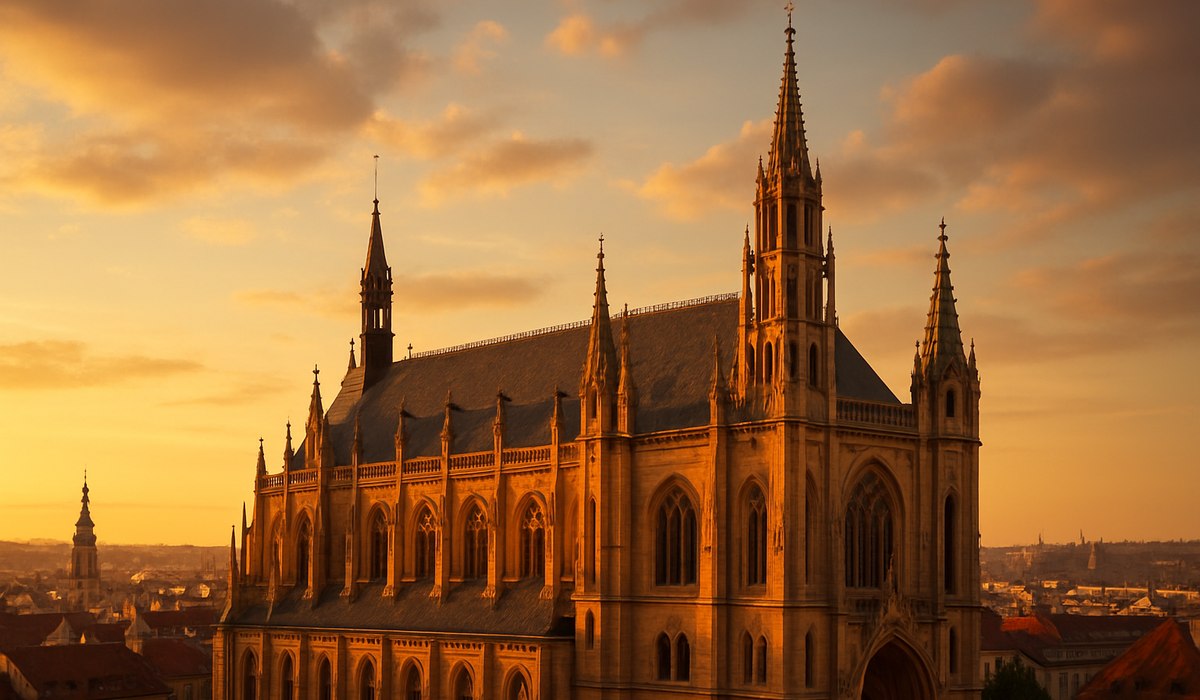
Image generated by AI
Kempinski Ends Five-Decade Acquisition Silence with Prague Monastery Conversion
Kempinski Hotels has ended a remarkable 55-year acquisition hiatus by securing a historic monastery property in Prague, Czech Republic. This landmark deal marks the European luxury hospitality brand's first major property acquisition since 1971, signaling a fundamental shift in corporate strategy. Rather than pursuing aggressive expansion, the premium chain is now championing ultra-selective growth, betting that exclusivity and scarcity will resonate more powerfully with discerning luxury travelers than rapid market saturation.
The monastery conversion represents a carefully calculated entry into Prague's competitive luxury segment. Kempinski's deliberate patience over five decades underscores management's conviction that the right opportunity must align perfectly with brand values before committing capital. For luxury hotels, Kempinski Prague will embody this philosophy: one exceptional property instead of multiple mediocre ones.
Breaking a 55-Year Acquisition Silence
The timeline is striking. Kempinski's last acquisition occurred in 1971—nearly two generations ago. During this intervening period, the hospitality landscape transformed entirely. Yet the brand remained committed to organic growth and selective partnerships rather than pursuing acquisitive expansion. This approach, while unconventional for a global chain, reflects growing skepticism about the merits of portfolio bloat in luxury segments.
Modern luxury travelers increasingly value authentic, distinctive properties over standardized chain experiences. Kempinski's dormancy suggests confidence in this emerging preference. By waiting until the Prague monastery opportunity surfaced, management demonstrated patience rooted in strategic principle rather than financial constraint. The property's monastic heritage offers precisely the kind of cultural authenticity and historical narrative that commands premium positioning in today's competitive luxury market. This acquisition validates the hypothesis that scarcity, combined with provenance, outperforms scale in driving brand prestige.
Why Prague's Monastery?
Prague itself has emerged as one of Europe's premier luxury travel destinations. The city attracts affluent cultural tourists seeking immersive historical experiences beyond standard urban amenities. The monastery's Gothic architecture, centuries of documented history, and central location within Prague's UNESCO-protected Old Town create an ideal canvas for luxury hospitality.
Monasteries present unique operational advantages for luxury brands. Their existing infrastructure—courtyards, chapels, refectories—can be reimagined as distinctive guest spaces, private dining venues, and wellness facilities. Unlike conventional hotels built from concrete slabs, monastery conversions offer storytelling potential that justifies premium rates. Guests don't simply check in; they inhabit living history. For luxury hotels like Kempinski Prague, this narrative becomes a core value proposition that commands international media attention and justifies positioning above standard five-star competition. Visit Kempinski's official website to explore this philosophy across their global properties.
Kempinski's Scarcity-First Strategy
The broader hospitality industry operates on capacity expansion logic: more rooms equal more revenue. Kempinski is inverting this playbook. By limiting acquisitions to properties meeting exacting criteria—historical significance, architectural distinctiveness, strategic location—the brand positions itself as curator rather than developer. This approach mirrors luxury fashion, where limited production runs maintain brand prestige.
Recent market research confirms this positioning works. Luxury hotels in centrally located heritage buildings consistently command 30-40% rate premiums over newer competitors with identical amenities. Travelers perceive authenticity and rarity as worth paying for. Kempinski's five-decade patience wasn't passive; it was strategic positioning. Management was effectively signaling to the market: "We only play where the opportunity is truly exceptional." The Prague monastery acquisition validates this signal. For luxury hotels globally, Kempinski Prague demonstrates that selective growth, though slower, builds stronger long-term brand equity than aggressive expansion. Explore similar luxury stays on Booking.com.
What Guests Get
The monastery conversion introduces amenities designed specifically for luxury travelers seeking cultural immersion:
- Historic Architecture Integration: Original Gothic vaulting, stone columns, and period details preserved throughout public spaces
- Private Chapel Conversion: Former sanctuary reimagined as exclusive events venue and meditation space
- Cloistered Courtyard: Central garden courtyard providing private outdoor sanctuary unavailable at conventional hotels
- Heritage Wellness Center: Spa facilities integrated within monastery's original wellness traditions
- Curated Art Installations: Contemporary works installed alongside original frescoes and religious artifacts
- Michelin-Track Dining: Multi-course tasting menus featuring Czech regional cuisine in converted refectory
- Personal Concierge Service: Kempinski's signature white-glove concierge emphasizing local expertise and cultural access
Rates for luxury hotels at Kempinski Prague begin at approximately €350 nightly for standard suites, with monastery specialty suites commanding €800-1,200 per night. These price points reflect both Kempinski's established positioning and Prague's luxury market dynamics. Seasonal demand peaks during spring and fall cultural festivals, when advance booking becomes essential.
| Key Property Details | Information |
|---|---|
| Brand | Kempinski Hotels |
| Property Location | Prague, Czech Republic (Old Town) |
| Acquisition Type | Historic monastery conversion |
| Last Kempinski Acquisition | 1971 (55-year gap) |
| Estimated Room Count | 95-120 keys |
| Target Guest Profile | Affluent cultural travelers, executives |
| Opening Timeline | Q3 2026 (projected) |
| Estimated Rate Range | €350-€1,200 nightly |
| Primary Amenities | Wellness center, heritage dining, events |
| Booking Options | Kempinski direct, luxury booking platforms |
What This Means for Luxury Travelers
This acquisition reshapes expectations around luxury hospitality strategy:
-
Expect More Cultural Authenticity: Luxury hotels are increasingly rejecting generic modernism in favor of historically grounded experiences. Kempinski Prague signals that heritage properties command premium positioning.
-
Plan Further Ahead: Scarcity-first strategy means limited inventory. Luxury hotels operating at 60-70% occupancy (versus industry standard 80%+) require earlier booking, particularly for signature suites.
-
Prepare for Premium Rates: Properties with acquisition histories spanning 55 years command pricing power. Budget 25-35% above comparable contemporary five-star properties in Prague.
-
Embrace Extended Stays: Kempinski's model favors quality time over turnover. Multi-night packages and cultural programming become standard offerings rather than upgrades.
-
Follow Kempinski's Next Move: This acquisition may herald future monastery conversions elsewhere. Watch for similar announcements in historic European cities where heritage properties align with brand values.
Frequently Asked Questions
When does Kempinski Prague officially open? The projected opening is Q3 2026, though the exact date has not been confirmed. Interested travelers should monitor Booking.com and Kempinski's official channels for official launch announcements and early booking access.
Why did Kempinski wait 55 years between acquisitions? Kempinski management prioritizes strategic alignment over growth targets. The brand maintained that no property between 1971 and 2026 met exacting standards for brand extension. This selectivity reflects conviction that luxury positioning requires absolute fit between property characteristics and brand values.
What makes monastery conversions superior to new-build luxury hotels? Monasteries provide authentic historical architecture, existing spatial character, and narrative depth impossible to replicate through modern construction. These elements command premium rates while differentiating Kempinski from standardized luxury chains.
How do I book Kempinski Prague once it opens? Direct booking through K
Disclaimer
This article is for informational and educational purposes only. It does not constitute legal, financial, or professional advice. While we strive to provide accurate and up-to-date information, travel policies, regulations, and conditions change rapidly. Always verify information with official sources before making travel decisions. Nomad Lawyer makes no representations about the accuracy, reliability, completeness, or suitability of the information provided. Readers should consult qualified professionals for advice specific to their circumstances. The views expressed in this article are those of the author and do not necessarily reflect the views of Nomad Lawyer.
Preeti Gunjan
Contributor & Community Manager
A passionate traveller and community builder. Preeti helps grow the Nomad Lawyer community, fostering engagement and bringing the reader experience to life.
Learn more about our team →