
Asia and Middle East Accelerate Luxury Hotel Expansion in China, India, and Saudi Arabia
Analysis of new luxury hotel openings and developments in Chengdu, Lonavala, and AMAALA, marking a shift toward wellness and residential tourism in Asia.

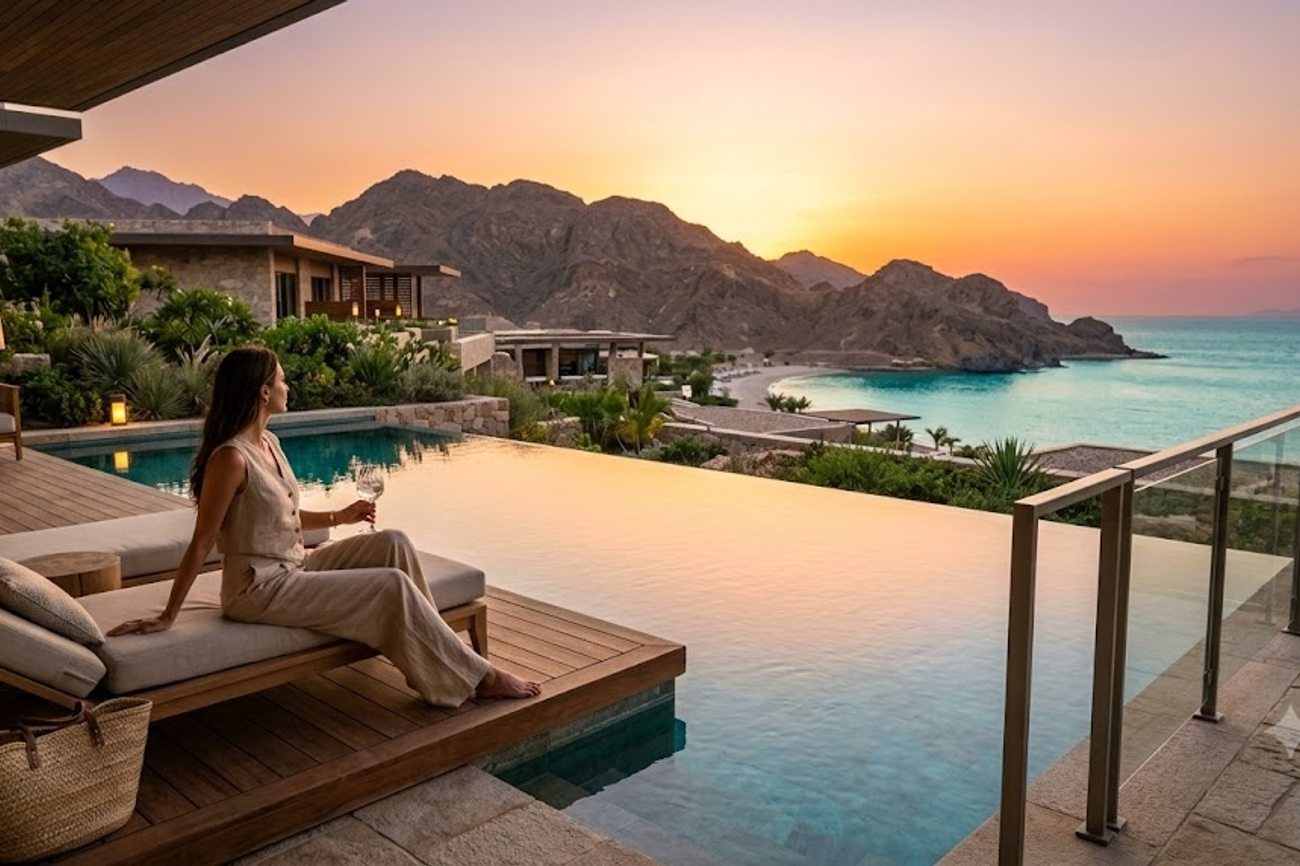
Image generated by AI
Market data from August 26 to September 3, 2026, confirms a coordinated expansion of luxury hospitality infrastructure across three key markets. While the developments vary in stage—ranging from active operations to planned sites—they collectively target the premium, wellness, and residential tourism sectors.
China: Urban Premium Growth China is aggressively scaling its urban luxury footprint, evidenced by the August 27, 2026, opening of a 155-room property in Chengdu, Sichuan Province. This hotel is the collection's third in Chengdu and its tenth overall in China. The property is designed as a multi-use hub, featuring 480 square metres of adaptable event space and a seventh-floor rooftop garden.
The broader strategy for Western China is expansive. The network currently operates over 230 hotels in the region, with 140 more in the pipeline. The overarching goal is to double the Greater China portfolio by 2030, with future sites already announced for Sanya, Lanxi, Guangzhou, and Hangzhou.
Saudi Arabia: Wellness-Centric Coastal Tourism On September 3, 2026, Saudi Arabia opened a high-end wellness resort at AMAALA’s Triple Bay on the Red Sea coast. The facility integrates 128 rooms and suites—including two penthouse suites—with 21 branded residences.
The property prioritizes recovery and fitness, featuring a 1,602-square-metre spa and 704 square metres of dedicated training space. This development aligns with the Kingdom's strategy to position the Red Sea as a global destination for medical and wellness tourism.
India: The Residential-Resort Hybrid In Lonavala, Maharashtra, India is pivoting toward nature-based luxury. A planned 34-acre development in the Western Ghats will feature a 100-room resort and 32 branded villas. Unlike the Chengdu and AMAALA projects, this site is not yet operational. The model utilizes a lease-back programme for the villas, blending traditional hospitality with private residential ownership. Planned amenities include Zen gardens, stargazing decks, and a two-acre central park.
Key Facts Breakdown
- Chengdu, China: 155 rooms; 480 sq m event space; opened August 27, 2026.
- AMAALA, Saudi Arabia: 128 rooms; 21 branded residences; 1,602 sq m spa; opened September 3, 2026.
- Lonavala, India: 100 rooms; 32 branded villas; 34-acre site; currently in planning phase.
- China Pipeline: 140 properties pending in Western China; target to double Greater China portfolio by 2030.
- Regulatory Status: No changes to visas, passports, or border procedures were announced alongside these openings.
Data Table: Regional Development Comparison
| Country | Project Type | Scale | Status | Primary Focus |
|---|---|---|---|---|
| China | Urban Luxury | 155 Rooms | Operational | Business & Events |
| Saudi Arabia | Wellness Resort | 128 Rooms / 21 Residences | Operational | Fitness & Recovery |
| India | Nature Resort | 100 Rooms / 32 Villas | Planned | Wellness & Extended Stay |
Why This Matters
From a logistical perspective, this trend indicates a shift away from "standard" luxury toward specialized hospitality. The integration of branded residences in Saudi Arabia and India suggests that developers are no longer relying solely on transient tourist stays; they are betting on "residential tourism" to ensure long-term occupancy and higher capital injection.
For travelers, the real impact is the decentralization of luxury. The expansion into Western China and the Red Sea coast creates new hubs for high-net-worth individuals (HNWIs), reducing the reliance on traditional capitals. However, because no new visa or aviation arrangements accompanied these openings, the immediate growth in arrivals will depend entirely on existing infrastructure.
Industry Outlook
Expect a proliferation of "wellness-first" certifications as Saudi Arabia and India compete for the global health-tourism market. In China, the aggressive 2030 expansion goal suggests a move to capture the recovering domestic business travel market in secondary cities. The next critical metric to watch will be the occupancy rates of the AMAALA residences, which will determine if the residential-hybrid model becomes the blueprint for future Asian luxury developments.
Internal Link Suggestions:
- Analysis of Red Sea Tourism Infrastructure
- Growth Trends in Western China Hospitality
- The Rise of Branded Residences in Emerging Markets
Related Travel Guides
Disclaimer
This article is for informational and educational purposes only. It does not constitute legal, financial, or professional advice. While we strive to provide accurate and up-to-date information, travel policies, regulations, and conditions change rapidly. Always verify information with official sources before making travel decisions. Nomad Lawyer makes no representations about the accuracy, reliability, completeness, or suitability of the information provided. Readers should consult qualified professionals for advice specific to their circumstances. The views expressed in this article are those of the author and do not necessarily reflect the views of Nomad Lawyer.
Kunal K Choudhary
Co-Founder & Contributor
A passionate traveller and tech enthusiast. Kunal contributes to the vision and growth of Nomad Lawyer, bringing fresh perspectives and driving the community forward.
Learn more about our team →