
Japan Travel 2026 Shiba Park Hotel Unveils Unique Cultural Experiences Blending Kintsugi, Tea Ceremony and Heritage
HomeNews InterviewsVideosShowsClientsTTW AppAbout UsOur TeamContact Us Search for: Home » HOTEL NEWS » Japan Travel 2026 Shiba Park Hotel Unveils U

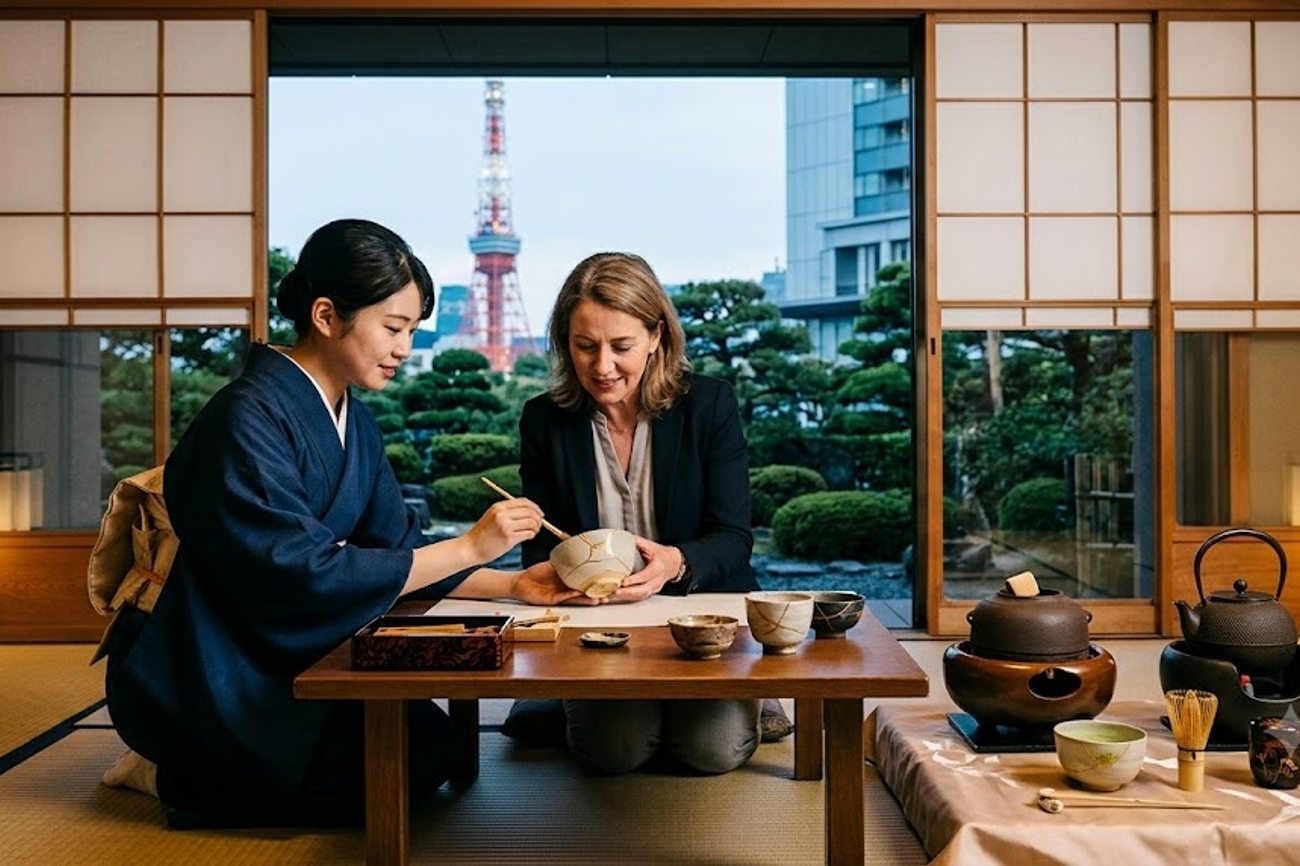
Image generated by AI
HomeNews InterviewsVideosShowsClientsTTW AppAbout UsOur TeamContact Us
Search for:
Home » HOTEL NEWS » Japan Travel 2026 Shiba Park Hotel Unveils Unique Cultural Experiences Blending Kintsugi, Tea Ceremony and Heritage Japan Travel 2026 Shiba Park Hotel Unveils Unique Cultural Experiences Blending Kintsugi, Tea Ceremony and Heritage Written By: Ricky Acharjee September 5, 2026 10:49 PM
Established in 1948, Shiba Park Hotel, operated by Shiba Park Hotel Co., Ltd. in Minato-ku, Tokyo, continues to promote the philosophy of being “A library hotel that connects people, towns, and history.” The hotel creates meaningful guest experiences by combining hospitality with opportunities to discover Japanese culture, traditions, and stories through books and cultural activities. As part of its “Sustainable Japanese Traditional Cultural Experiences” programme, Shiba Park Hotel offers exclusive cultural workshops for staying guests, including kintsugi restoration experiences and a Table Tea Ceremony, designed to provide deeper insight into Japan’s heritage and sustainable values.
Kintsugi Experience Connecting Tradition, Sustainability and Japanese Beauty
Kintsugi is an ancient Japanese restoration art believed to have developed around the 15th century. The technique emerged from the traditional tea culture of Japan, when tea bowls and other utensils used during tea ceremonies were considered highly valuable and treasured possessions. Instead of discarding damaged items, people developed methods to repair and preserve them, creating a philosophy centred around respect, longevity and appreciation.
The traditional kintsugi process involves repairing cracked, chipped or broken ceramics with natural lacquer before decorating the restored sections with materials such as gold powder. Rather than hiding the damage, kintsugi highlights the repaired areas, transforming imperfections into distinctive artistic features. The repaired object gains a new identity, where its history and previous damage become part of its beauty.
More than a restoration method, kintsugi represents a unique Japanese aesthetic philosophy that embraces imperfection and change. It reflects the belief that experiences, including challenges and flaws, can contribute to growth and create new value. The visible marks left behind are not viewed as weaknesses but as meaningful reminders of an object’s journey.
In today’s society, where mass production and disposable goods have become increasingly common, kintsugi offers a powerful message about sustainability and mindful consumption. The practice encourages people to care for possessions, extend their lifespan and appreciate the memories connected to everyday objects. By preserving items rather than replacing them, kintsugi demonstrates the importance of valuing resources and reducing waste.
Traditional kintsugi using natural lacquer requires a highly skilled process involving multiple stages of application, drying and polishing. The complete restoration can take around two to three months before the final piece is completed. However, Shiba Park Hotel provides guests with a simplified one-hour workshop that allows participants to understand the essence of kintsugi without using natural lacquer.
During the experience, guests learn how to examine a damaged vessel, work on the repaired sections and apply a gold finish to create a renewed appearance. Through this hands-on activity, visitors can witness how signs of damage are transformed into unique expressions of beauty and individuality.
To make the experience accessible for international visitors, Shiba Park Hotel also offers kintsugi lessons in English. Guests can explore not only the technical aspects of the craft but also the deeper Japanese philosophy behind the tradition, gaining a greater understanding of concepts such as sustainability, resilience and the appreciation of imperfections.
Date: Available on request Time: 10:00 a.m. or 4:00 p.m. Duration: Approximately 60 minutes
Private Table Tea Ceremony Experience
Admission Fees:
1 guest: JPY 8,000
2 guests: JPY 12,000
3 guests: JPY 17,000
4 guests: JPY 22,000
Experience Type: Fully private session Maximum Participants: Up to 4 guests Minimum Age: 7 years and above
A Contemporary Introduction to Japan’s Traditional Tea Culture
Shiba Park Hotel offers guests a private Table Tea Ceremony experience that introduces the beauty, philosophy and tranquillity of Japanese tea culture in a comfortable modern setting. Designed for small groups, the approximately one-hour programme allows visitors to discover the meaning behind matcha preparation, traditional customs and the thoughtful hospitality that defines the Japanese tea ceremony.
The experience brings guests closer to the essence of tea through all five senses. Visitors can hear the gentle sounds created during the preparation process, appreciate the rich aroma and vibrant green colour of matcha, feel the craftsmanship of the tea bowl and enjoy the refined taste of freshly prepared tea alongside traditional Japanese sweets.
At the heart of this cultural experience is the philosophy of ichigo ichie, a Japanese concept that encourages people to treasure every meeting as a unique and unrepeatable moment. The ceremony reflects the tradition of preparing each bowl of tea with sincerity, care and deep consideration for the guest receiving it.
Unlike traditional tea ceremonies usually conducted while sitting in the formal seiza position on tatami flooring, Shiba Park Hotel presents the ritual in a table-style format. This approach removes physical barriers and allows guests of different ages and backgrounds to participate comfortably without needing to master complex customs beforehand.
For international travellers experiencing Japanese tea culture for the first time, the hotel provides explanations about the symbolism, gestures and traditions behind each step of the ceremony. Guests can gain a deeper understanding of the cultural meaning while enjoying a peaceful and immersive moment away from the busy pace of Tokyo.
Complimentary Table Tea Ceremony for Hotel Guests
Schedule: Every Thursday and the first and third Sunday of each month Unavailable Dates:
October 1, 2026 (Thursday)
December 31, 2026 (Thursday)
April 1, 2027 (Thursday)
Time: From 10:00 a.m. Duration: Approximately 45 minutes Admission: Complimentary for staying guests Venue: 1F Entrance Lobby Experience Includes: Matcha green tea and Japanese sweets Availability: Limited spaces available
Set within the hotel lobby, surrounded by around 2,000 books and carefully selected traditional crafts, this complimentary programme provides an elegant introduction to Japanese aesthetics. Guests can enjoy matcha and seasonal sweets while observing a graceful tea performance presented in a modern table arrangement.
The relaxed format makes the experience suitable for families, first-time visitors and travellers looking to connect with Japanese culture in an accessible way.
Connecting the Spirit of Kintsugi and Tea Ceremony
The philosophy behind Shiba Park Hotel’s cultural experiences reflects a shared Japanese appreciation for preserving beauty, meaning and memories. Both kintsugi, the traditional art of repairing broken pottery with gold, and the tea ceremony represent the importance of valuing objects, experiences and the stories connected to them.
Kintsugi celebrates imperfections by transforming damage into a new form of beauty, while the tea ceremony focuses on the care, intention and human connection created through a single bowl of tea. Together, these traditions highlight the Japanese belief that every moment and every object carries a unique history.
Discover Authentic Japanese Culture in Historic Shiba
Located in Tokyo’s historic and peaceful Shiba district, Shiba Park Hotel offers travellers an opportunity to experience Japanese traditions in a calm and welcom
Related Travel Guides
Disclaimer
This article is for informational and educational purposes only. It does not constitute legal, financial, or professional advice. While we strive to provide accurate and up-to-date information, travel policies, regulations, and conditions change rapidly. Always verify information with official sources before making travel decisions. Nomad Lawyer makes no representations about the accuracy, reliability, completeness, or suitability of the information provided. Readers should consult qualified professionals for advice specific to their circumstances. The views expressed in this article are those of the author and do not necessarily reflect the views of Nomad Lawyer.
Preeti Gunjan
Contributor & Community Manager
A passionate traveller and community builder. Preeti helps grow the Nomad Lawyer community, fostering engagement and bringing the reader experience to life.
Learn more about our team →