
Luxembourg Dominates Europe With Youngest Car Fleet as Norway Leads Electric Transition
A July 2026 study reveals Luxembourg has Europe's youngest car fleet, while Norway dominates EV adoption. Explore the impact on European travel and infrastructu

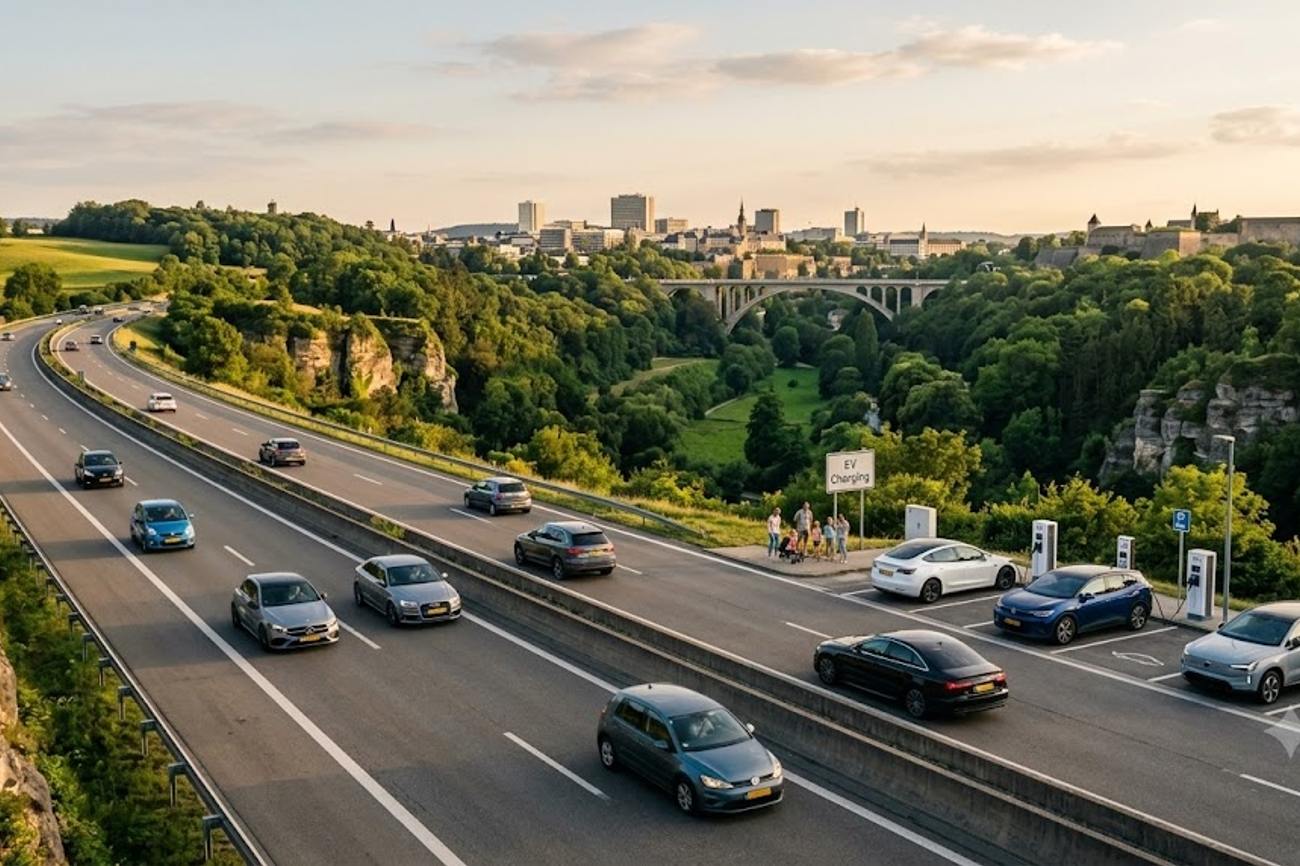
Image generated by AI
Europe's Mobility Landscape Shifts Toward Modernization
[Luxembourg, September 9, 2026] — A significant divide has emerged across European roads regarding the speed of vehicle fleet renewal and the adoption of sustainable propulsion. According to a comprehensive July 2026 study conducted by B2B automotive firm eCarsTrade, Luxembourg has secured the top position for the youngest car fleet on the continent, while Norway has solidified its status as the primary driver of the electric vehicle (EV) revolution.
The research, which analyzed automotive data from more than 30 European nations, indicates that the age of a country's fleet is a primary indicator of purchasing power, safety standards, and the ability to integrate new technologies. These shifts are not merely automotive trends; they are fundamentally altering how tourists navigate rural destinations, how rental agencies manage their inventories, and how national infrastructures are being redesigned to support a cleaner transport ecosystem.
The study utilized a "Fleet Age Score" out of 100 to quantify modernization, where a lower score denotes a younger, more modern fleet. The methodology factored in the percentage of vehicles aged 20 years or older, those at least a decade old, and the share of cars registered within the last five years.
Luxembourg Sets the Benchmark for Fleet Renewal
Luxembourg has established a commanding lead in vehicle modernization, recording a Fleet Age Score of just 1.6. This figure places the nation significantly ahead of all other European countries analyzed in the study.
The data reveals that 43.11% of all registered vehicles in Luxembourg are less than five years old, meaning more than four in every ten cars on the road are nearly new. In contrast, only 6.44% of the fleet consists of vehicles aged 20 years or more, and 27.99% are at least 10 years old.
A critical driver of this trend is Luxembourg's fleet renewal rate, which stands at 10.2%—the highest among the top-performing nations. This aggressive replacement cycle ensures that the majority of vehicles are equipped with the latest safety systems, superior fuel efficiency, and advanced connectivity features.
The nation is also making steady progress in electrification. Currently, fully electric vehicles (BEVs) make up 7.13% of the total fleet, complemented by plug-in hybrids (PHEVs) at 3.76%. For the travel sector, this means that airport transfers and car hire services in Luxembourg are likely to offer some of the most modern and safe transport options in Europe.
Belgium and Denmark Accelerate Fleet Modernization
Following Luxembourg, Belgium ranks second with a Fleet Age Score of 13.1. The Belgian market is characterized by a balanced distribution of vehicle ages, with 34.43% of cars being less than five years old and 36% being at least a decade old. In 2024, Belgium recorded over 456,000 new car registrations, maintaining an annual fleet renewal rate of 7.48%.
Belgium's shift toward green energy is also evident, with fully electric vehicles accounting for 4.98% of the fleet and plug-in hybrids representing 5.35%. This trend suggests that visitors traveling between Belgian urban centers will increasingly encounter lower-emission rental options.
Denmark holds the third position with a Fleet Age Score of 17.1. While approximately 40% of its fleet is at least 10 years old, only about 6% of vehicles are 20 years or older. Nearly 28% of Danish cars are under five years old.
Denmark's most significant impact on the European landscape is its aggressive EV adoption. Fully electric vehicles now represent 12.02% of the total car fleet, marking one of the most advanced electric profiles in the study. This transition places immense pressure on Danish tourism operators to expand charging infrastructure beyond major cities to accommodate EV-driving tourists in rural areas.
United Kingdom Maintains a Competitive Fleet Age
The United Kingdom ranks fourth overall with a Fleet Age Score of 18.8. The UK is notable for having one of the lowest proportions of "vintage" vehicles, with only approximately 5% of the fleet aged 20 years or more.
The British market remains one of the largest in Europe, with approximately 1.95 million new car registrations recorded in 2024. Approximately 24.95% of the UK fleet is less than five years old, while 41% of vehicles are at least a decade old.
While the UK lags behind Denmark and Norway in total EV saturation, electric mobility is growing. Fully electric vehicles account for 3.85% of the overall fleet, and plug-in hybrids represent 2.05%. This modernization is particularly vital for domestic tourism, as road travel remains the primary method for reaching the UK's national parks and coastal regions.
Norway's Role as the Electric Outlier
Despite ranking fifth in overall fleet age with a score of 18.9, Norway operates as a unique case study in the transition to sustainable transport. While its overall fleet age is comparable to the UK and Denmark, its commitment to electrification is unmatched.
Norway's strategy has moved beyond simple fleet renewal to a total systemic shift toward electric propulsion, creating a blueprint for other European nations. This rapid transition has forced a complete overhaul of the country's roadside infrastructure, making it a global leader in EV charging accessibility.
Comparative Fleet Data Summary
| Country | Fleet Age Score | Cars < 5 Years Old | Cars $\ge$ 10 Years Old | Cars $\ge$ 20 Years Old | BEV Share | PHEV Share |
|---|---|---|---|---|---|---|
| Luxembourg | 1.6 | 43.11% | 27.99% | 6.44% | 7.13% | 3.76% |
| Belgium | 13.1 | 34.43% | 36.00% | N/A | 4.98% | 5.35% |
| Denmark | 17.1 | $\approx$ 28% | $\approx$ 40% | $\approx$ 6% | 12.02% | N/A |
| United Kingdom | 18.8 | 24.95% | 41.00% | $\approx$ 5% | 3.85% | 2.05% |
| Norway | 18.9 | N/A | N/A | N/A | High | N/A |
The Impact of Disparate Fleet Ages on European Tourism
The contrast between the modern fleets of Luxembourg and the aging vehicles in countries like Albania—which sits at the opposite end of the spectrum—creates a fragmented experience for the European traveler.
For the tourism industry, these statistics translate into operational requirements. In high-renewal markets like Luxembourg and Belgium, rental agencies can offer high-tech, fuel-efficient vehicles that appeal to eco-conscious travelers. However, in regions where the fleet is older, tourists may face lower safety standards and higher emissions, potentially impacting the "green" image of certain destinations.
Furthermore, the "EV gap" creates a logistical challenge. As Danish and Norwegian travelers take their electric vehicles across borders, the lack of compatible charging infrastructure in countries with older fleets can create "charging deserts," hindering cross-border tourism and increasing traveler anxiety.
Why This Matters: The Traveler's Perspective
For the modern traveler, these fleet statistics directly influence the quality and cost of their journey. A younger fleet in Luxembourg and Belgium means that car rentals are more likely to include integrated GPS, advanced driver-assistance systems (ADAS), and better fuel economy, reducing the overall cost of road trips.
From a logistical standpoint, the disparity in EV adoption means that "electric road trips" are currently only viable in specific corridors. Travelers moving from Norway or Denmark into Southern or Eastern Europe must plan their journeys with extreme precision, as the infrastructure often fails to keep pace with the vehicle technology.
Ultimately, the transition to a younger, electric fleet is not just about the cars themselves, but about the surrounding ecosystem. For hotels and attractions, providing EV charging is no longer a luxury "perk" but a critical requirement to attract high-spending tourists from the most modernized European economies.
Related Travel Guides
Disclaimer
This article is for informational and educational purposes only. It does not constitute legal, financial, or professional advice. While we strive to provide accurate and up-to-date information, travel policies, regulations, and conditions change rapidly. Always verify information with official sources before making travel decisions. Nomad Lawyer makes no representations about the accuracy, reliability, completeness, or suitability of the information provided. Readers should consult qualified professionals for advice specific to their circumstances. The views expressed in this article are those of the author and do not necessarily reflect the views of Nomad Lawyer.
Kunal K Choudhary
Co-Founder & Contributor
A passionate traveller and tech enthusiast. Kunal contributes to the vision and growth of Nomad Lawyer, bringing fresh perspectives and driving the community forward.
Learn more about our team →