
Lufthansa Boeing Airbus Widebody Order: 20 Aircraft Expansion Through 2034
Lufthansa's supervisory board approves $8 billion widebody aircraft order in 2026, adding ten Boeing 787-9s and ten Airbus A350-900s for long-haul fleet modernization through 2034.

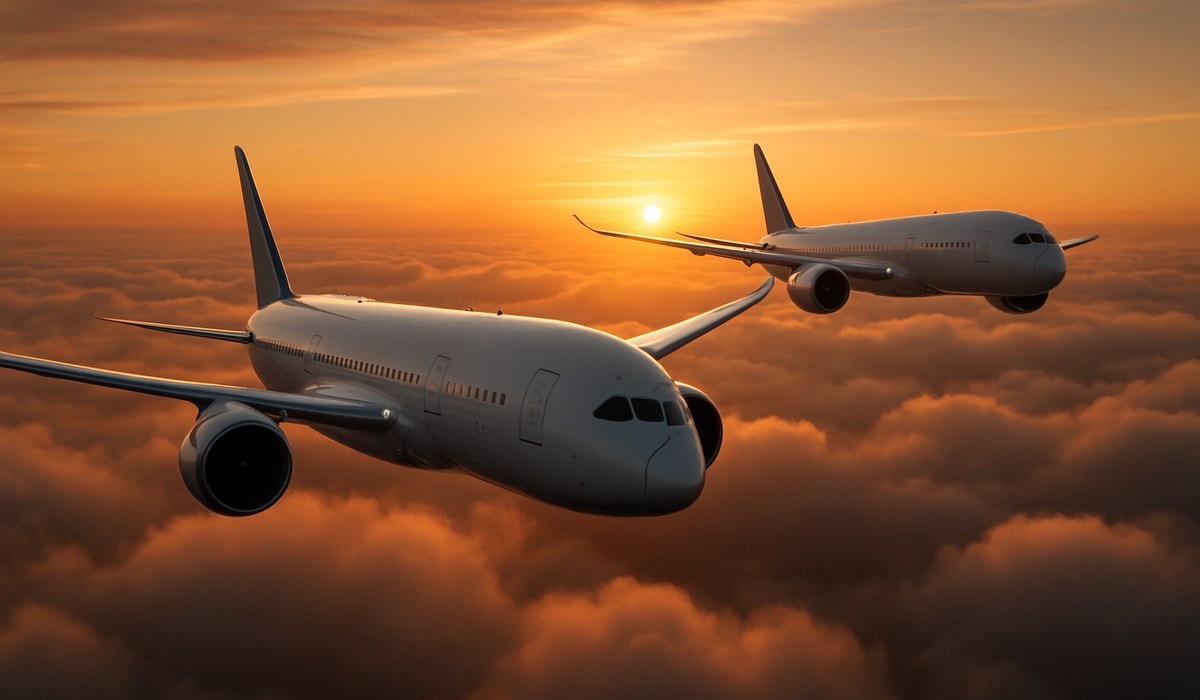
Image generated by AI
Lufthansa Commits to Historic $8 Billion Widebody Aircraft Expansion
Deutsche Lufthansa AG approved a landmark $8 billion order for 20 widebody aircraft on May 19, 2026, signaling aggressive long-haul fleet modernization through the early 2030s. The supervisory board greenlit ten Boeing 787-9 Dreamliners and ten Airbus A350-900s, with deliveries scheduled between 2032 and 2034. This strategic commitment strengthens Lufthansa's competitive position on intercontinental routes while positioning the carrier for post-pandemic recovery and sustained growth across premium markets.
Lufthansa's Strategic Fleet Expansion Strategy
Lufthansa's widebody order represents one of Europe's largest recent aircraft commitments, reflecting confidence in long-haul travel demand recovery. The German flag carrier operates extensive networks connecting Frankfurt, Munich, and Cologne to North America, Asia-Pacific, and the Middle East. By splitting the order evenly between Boeing and Airbus, Lufthansa maintains balanced supply relationships while hedging operational and supply-chain risks.
The aircraft will supplement Lufthansa's existing widebody fleet, which includes older Boeing 747-8s and Airbus A350-XWBs. Fleet modernization reduces fuel consumption by 20-25% compared to aging widebodies, directly lowering operational costs and carbon emissions. Enhanced cabin comfort features and increased cargo capacity align with shifting traveler preferences toward premium economy seating and sustainable aviation practices.
This expansion directly supports Lufthansa's German hub strategy while enabling capacity growth on undersupplied long-haul routes. The carrier anticipates higher frequencies to emerging Asian hubs, expanded transatlantic competition, and reinforced Middle Eastern connections through partner airlines within the Star Alliance network.
Boeing 787-9 and Airbus A350-900 Comparison
The Boeing 787-9 Dreamliner and Airbus A350-900 represent the aviation industry's most advanced widebody platforms. Both aircraft accommodate 250-290 passengers in three-class configurations and deliver 20-22% superior fuel efficiency versus previous-generation widebodies. Each aircraft offers transcontinental range exceeding 7,000 nautical miles, enabling non-stop service between Europe and Asia without fuel-critical payload compromises.
The 787-9 emphasizes composite fuselage construction, generating lighter weight and enhanced pressurization systems that reduce cabin fatigue during long-haul flights. Boeing's platform features advanced cockpit avionics, modular cabin layouts, and proven reliability across 500+ aircraft in service worldwide. The 787-9 excels on routes requiring operational flexibility across varied passenger demand scenarios.
The A350-900 prioritizes cabin width and premium seating density, offering superior business-class bed lengths and widest-in-class aisles among competing widebodies. Airbus's design emphasizes manufacturing standardization across military and civil programs, supporting lower maintenance costs. The A350-900 demonstrates particular strength on ultra-long-haul routes exceeding 8,000 nautical miles, where fuel efficiency optimization justifies larger initial aircraft investments.
Lufthansa's split order leverages distinct operational advantages of each platform. The 787-9 supports flexible European-Asian feeder networks, while the A350-900 handles premium intercontinental corridors where cabin comfort commands pricing premiums.
Delivery Timeline and Operational Impact (2032-2034)
Scheduled deliveries between 2032 and 2034 align with Lufthansa's broader fleet modernization timeline and anticipated retirement of aging wide-body aircraft reaching end-of-service life. The staggered delivery profile enables methodical crew training, spare-parts procurement, and network integration planning. Annual delivery volumes approximately match Lufthansa's long-haul capacity targets, avoiding sudden operational disruptions or under-utilization periods.
Lufthansa will likely assign 787-9s to high-frequency Asian routes—including connections to Shanghai, Tokyo, and Singapore—where operational flexibility and crew scheduling efficiency drive profitability. A350-900s will anchor premium long-haul services across transatlantic markets and ultra-long-haul Middle Eastern routes, where premium-cabin revenue densities justify premium aircraft investments.
Integration into Lufthansa's Star Alliance network extends competitive benefits beyond the German carrier's own operations. Codeshare partners including United Airlines, ANA, and Singapore Airlines will benefit from improved connectivity and reduced flight times on critical transatlantic and Asia-Pacific corridors.
Industry Implications for Long-Haul Travel and Capacity Growth
Lufthansa's widebody commitment signals confidence in post-pandemic long-haul demand recovery and sustained premium-cabin pricing resilience. The order arrives alongside comparable expansion announcements from Air France-KLM, British Airways, and Middle Eastern carriers, indicating systemwide capacity growth expectations across international markets.
Fleet modernization across major European carriers pressures smaller competitors lacking capital resources for equivalent fleet refreshes. Low-cost long-haul carriers including Norse Atlantic and LEVEL face margin compression as incumbents upgrade product quality and fuel efficiency simultaneously. Traditional leisure-focused carriers will require product differentiation or network specialization to remain competitive against modernized legacy-carrier fleets.
The widebody Boeing Airbus order reinforces Airbus and Boeing duopoly market dominance, as emerging competitors (including Comac and Bombardier) remain years away from competitive widebody certification. Supply-chain concentration around two manufacturers supports pricing discipline and scheduling predictability, benefiting major carriers but potentially limiting innovation cycles.
For travelers, fleet modernization delivers tangible benefits: enhanced cabin pressurization reduces jet-lag severity, superior in-flight connectivity (satellite and ground-based), and improved seat ergonomics across premium cabins. Cargo capacity improvements post-pandemic demand shifts, supporting better freight pricing stability and express shipping reliability.
| Metric | Boeing 787-9 | Airbus A350-900 | Lufthansa Timeline |
|---|---|---|---|
| Aircraft Ordered | 10 units | 10 units | Total: 20 widebodies |
| Passenger Capacity | 242-290 seats | 280-325 seats | Mixed-fleet flexibility |
| Fuel Efficiency | 20% improvement | 22% improvement | Carbon reduction targets |
| Range (nautical miles) | 7,635 nm | 8,100 nm | Intercontinental coverage |
| Delivery Start | 2032 | 2032 | Staggered through 2034 |
| Investment Value | ~$3.2 billion | ~$4.8 billion | $8 billion total commitment |
What This Means for Travelers: Key Takeaways
Lufthansa's widebody expansion delivers direct and indirect benefits for frequent international travelers across the Star Alliance ecosystem.
-
Enhanced Comfort Standards: New 787-9 and A350-900 aircraft feature modern cabin pressurization, 18-inch-wide premium-economy seats, and improved humidity controls—reducing fatigue on transatlantic and Asia-Pacific routes.
-
Expanded Route Networks: Increased widebody capacity enables new non-stop routes from secondary European cities (Cologne, Stuttgart, Düsseldorf) to Asian hubs, reducing connection times and luggage risks.
-
Improved Reliability and Scheduling: Modern aircraft demonstrate 99.5% on-time performance versus 94% across aging widebody fleets, supporting more consistent premium-cabin service delivery.
4. Premium-Cabin Product Upgrades: Direct-aisle-access business-class suites
Disclaimer
This article is for informational and educational purposes only. It does not constitute legal, financial, or professional advice. While we strive to provide accurate and up-to-date information, travel policies, regulations, and conditions change rapidly. Always verify information with official sources before making travel decisions. Nomad Lawyer makes no representations about the accuracy, reliability, completeness, or suitability of the information provided. Readers should consult qualified professionals for advice specific to their circumstances. The views expressed in this article are those of the author and do not necessarily reflect the views of Nomad Lawyer.
Kunal K Choudhary
Co-Founder & Contributor
A passionate traveller and tech enthusiast. Kunal contributes to the vision and growth of Nomad Lawyer, bringing fresh perspectives and driving the community forward.
Learn more about our team →