
Lufthansa Retires Airbus A380 Superjumbos From 15 Routes as Airlines Shift Fleet Strategy
Breaking airline news and aviation industry updates for 2026.

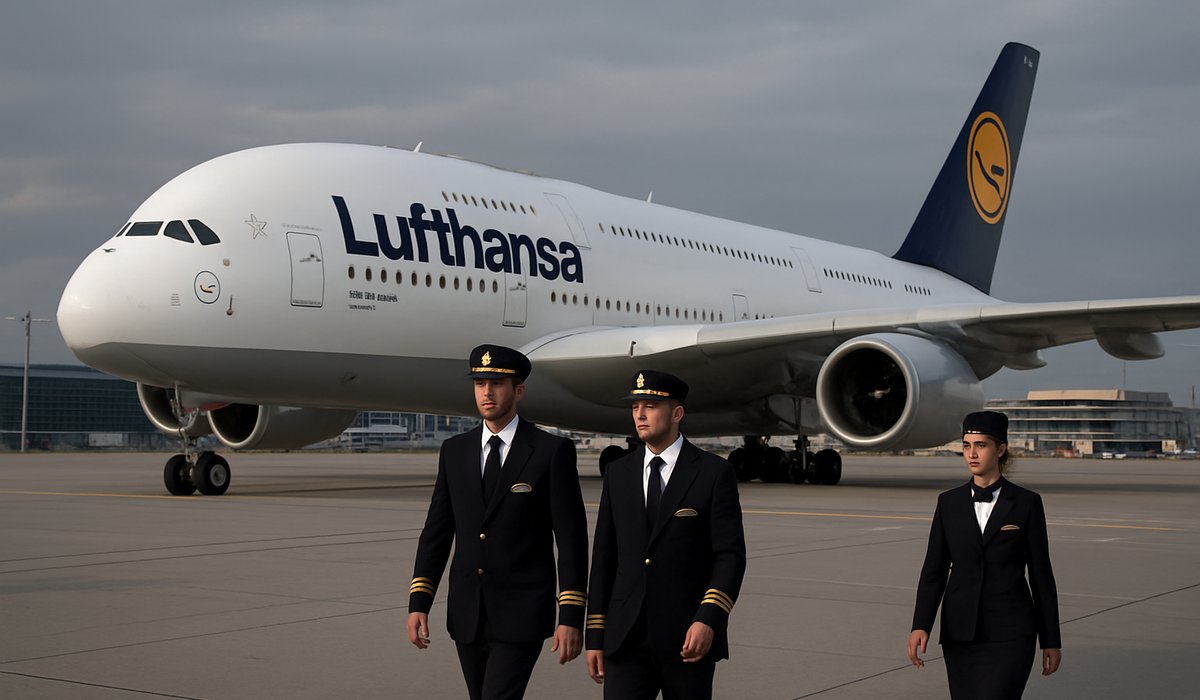
Image generated by AI
Lufthansa Retires Airbus A380 Superjumbos From 15 Routes as Airlines Shift Fleet Strategy
Germany's flagship carrier scales back iconic double-deck aircraft operations amid changing travel patterns and operational economics
Strategic Fleet Realignment Underway
Lufthansa has discontinued Airbus A380 service across 15 international routes, marking a significant shift in the German airline's long-haul operations strategy. The decision reflects broader industry trends as carriers reassess the viability of operating the world's largest passenger aircraft in an era of volatile fuel costs and evolving demand patterns.
The airline, which operates one of the world's largest A380 fleets among just ten carriers maintaining scheduled superjumbo services, has systematically withdrawn the double-deck giants from specific routes as part of a comprehensive operational restructuring. The move signals changing priorities within premium aviation segments and route economics.
A Storied Aircraft Reaching Transition Point
Lufthansa's pioneering A380 presence dates back to 2010, when the carrier received its first frame—registered D-AIMA—which remains airworthy today. Now 16 years into service, the aircraft ranks among the world's sixth-oldest active superjumbos still transporting passengers commercially, underscoring the A380's durability despite limited production runs.
The withdrawal affects routes where the airline determined that smaller, more fuel-efficient widebody aircraft could operate more profitably while maintaining passenger capacity and revenue targets. This operational recalibration reflects the aviation industry's post-pandemic reality, where fuel expenditure continues pressuring airline margins and driving fleet modernization decisions.
Broader Industry Context
The A380 has become increasingly selective in deployment, with only ten airlines worldwide maintaining regularly scheduled services. Production of the Airbus superjumbo concluded in 2021 after lackluster demand, with the aircraft proving expensive to operate relative to twin-engine alternatives like the Boeing 777 and Airbus A350.
Lufthansa's route reductions align with industry-wide pressure to optimize fleet utilization amid jet fuel price volatility, baggage fee optimization, and shifting passenger preferences toward newer aircraft with superior fuel efficiency. Airlines have also adjusted ancillary revenue strategies—including increased baggage charges and premium seating fees—to offset operational costs.
Competitive Positioning
The carrier's decision underscores the competitive landscape where airlines must balance brand prestige associated with offering premium superjumbo experiences against financial realities. Routes showing consistent demand for high-capacity configurations will retain A380 service, while others transition to more economically efficient alternatives.
Industry analysts view these adjustments as inevitable rationalization of long-haul networks where market demand, crew scheduling efficiency, and maintenance costs no longer justify dedicated superjumbo deployment.
Frequently Asked Questions
Why are airlines removing A380 aircraft from routes? Operational economics have shifted significantly. A380s consume substantial jet fuel, require specialized airport infrastructure, and generate lower revenue per available seat compared to twin-engine widebodies like the Boeing 777. Smaller aircraft often prove more profitable on moderate-demand routes.
How many Airbus A380s does Lufthansa operate? Lufthansa maintains one of the largest active A380 fleets among the ten airlines still flying the superjumbo, though specific total fleet numbers vary based on seasonal maintenance schedules.
Are airlines phasing out the A380 completely? Not entirely. Premium carriers serving high-capacity hub routes continue operating A380s profitably. However, limited aircraft availability and high operating costs restrict growth, with production having ended in 2021.
What aircraft are replacing the A380 on these routes? Airlines typically deploy the Airbus A350 or Boeing 777 family, which offer competitive capacity with significantly lower fuel consumption and modern passenger amenities.
How have fuel prices impacted A380 deployments? Rising jet fuel costs directly increase operational expenses for fuel-intensive aircraft. Since the Ukraine conflict and recent market volatility, airlines have accelerated efficiency-focused fleet strategies, prioritizing aircraft with better fuel economics.
Related Travel Guides
Flight Delay Compensation Guide 2026
Understanding Airline Route Changes
Airport Security Process Updated (2026)
External Resources
Disclaimer
This article is for informational and educational purposes only. It does not constitute legal, financial, or professional advice. While we strive to provide accurate and up-to-date information, travel policies, regulations, and conditions change rapidly. Always verify information with official sources before making travel decisions. Nomad Lawyer makes no representations about the accuracy, reliability, completeness, or suitability of the information provided. Readers should consult qualified professionals for advice specific to their circumstances. The views expressed in this article are those of the author and do not necessarily reflect the views of Nomad Lawyer.
Kunal K Choudhary
Co-Founder & Contributor
A passionate traveller and tech enthusiast. Kunal contributes to the vision and growth of Nomad Lawyer, bringing fresh perspectives and driving the community forward.
Learn more about our team →