
Lufthansa and Global Carriers Drive Hybrid Airline Competition with Flexible Fare Models in 2026
Lufthansa, WestJet, and Virgin Australia are leading a shift toward hybrid aviation, blending low-cost efficiency with premium cabins to redefine passenger choice in 2026.

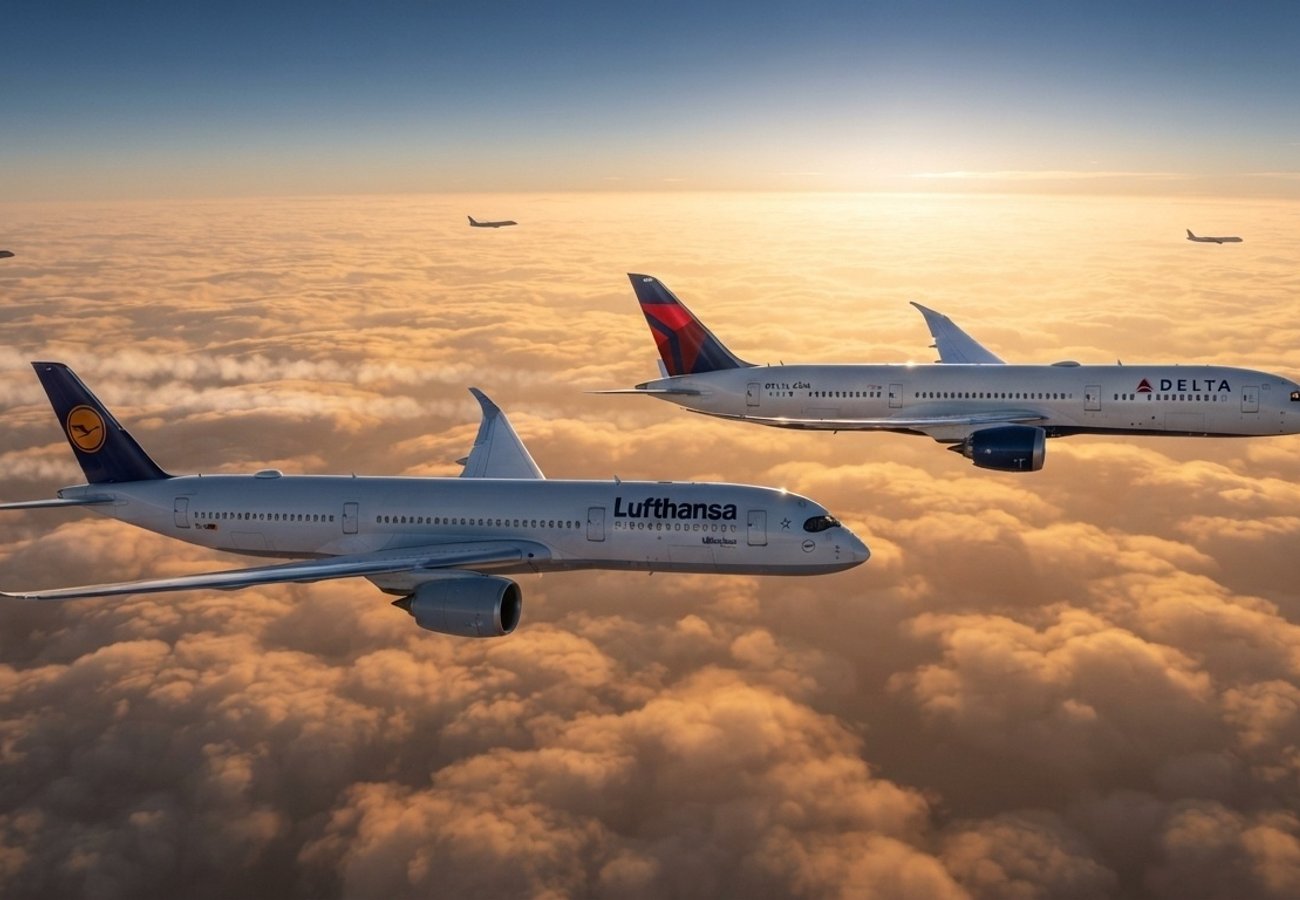
Image generated by AI
The traditional divide between budget carriers and full-service airlines has collapsed. In 2026, a new hybrid model led by Lufthansa is allowing passengers to customize their flight experience by blending low-cost entry fares with high-end premium cabins.
The aviation sector is undergoing a fundamental structural shift. No longer are carriers neatly categorized as either "low-cost" or "full-service." Instead, a hybrid competition has emerged where airlines adapt their service offerings based on route length, passenger demand, and commercial opportunity. This flexibility allows a single carrier to operate a lean, cost-conscious service on a short-haul hop while providing a luxury, comprehensive experience on a long-haul international flight.
Lufthansa currently leads this transition, followed by WestJet, Virgin Australia, Delta Air Lines, and United Airlines. By unbundling services, these carriers are giving travelers the power to decide exactly what they pay for, removing the "all-or-nothing" approach to airline ticketing.
The Mechanics of the Hybrid Model
The hybrid approach functions as a strategic middle ground. For a short weekend getaway, a traveler might opt for a basic ticket with optional catering and paid seat selection. However, on a journey spanning thousands of miles, that same airline provides full meals, entertainment, checked baggage allowances, and sophisticated premium cabins.
This evolution is a direct response to changing passenger behavior. Modern travelers rarely want to pay for a full-service package on a 60-minute flight, yet they still demand significant comfort and amenities when spending twelve hours in the air. For the airlines, this balance is a financial necessity; it allows them to compete on price for budget-conscious flyers while maximizing revenue from premium segments.
Regional Leaders in the Hybrid Shift
Lufthansa (Ranked 1st) Lufthansa has mastered the art of "dual-identity" operations. Its European short-haul network utilizes a disciplined, unbundled service model to fend off intense competition from budget carriers. Simultaneously, its international network maintains the traditional hallmarks of a legacy carrier, ensuring that global connectivity between Europe, North America, Asia, and Africa remains seamless and luxurious.
WestJet (Ranked 2nd) In Canada, WestJet has evolved beyond its origins as a simplified low-cost carrier. Due to Canada's vast geography, the airline must balance competitive domestic pricing with the high-service requirements of transborder and international routes. Their hybrid positioning ensures the product matches the specific economics of the journey rather than applying a one-size-fits-all rule.
Virgin Australia (Ranked 3rd) Virgin Australia has leveraged the hybrid model to connect large population centers across the continent. By offering a choice between value-oriented flying and upgraded products, they cater to a diverse mix of corporate travelers and leisure tourists whose needs vary wildly between a quick domestic trip and a long-haul itinerary.
The US Powerhouses (Delta, United, and American) The United States maintains a strong presence in this shift, with Delta Air Lines ranking fourth, United Airlines fifth, and American Airlines sixth. These carriers are increasingly adopting the hybrid mindset to manage the massive variety of passenger segments within the US domestic market and their expansive global networks.
Cultural & Environmental Value: The Impact on Tourism
For the visitor, the real impact of the hybrid model is the democratization of premium travel. By lowering the barrier to entry with basic fares, destinations become more accessible to a wider demographic. Meanwhile, the retention of premium cabins ensures that high-value tourism—which often supports local luxury economies—remains robust.
From a sustainability perspective, this efficiency allows airlines to optimize aircraft load factors. By tailoring the service to the route, carriers can reduce unnecessary waste (such as unused in-flight meals on short hops) and improve operational efficiency, which aligns with broader goals set by regional conservation bodies and aviation authorities.
Visitor Insider Tips
For those navigating the new hybrid landscape in 2026, keep these practicalities in mind:
- Audit Your "Basic" Fare: In the hybrid model, "Basic Economy" often means no overhead bin space or seat selection. If you are traveling with a carry-on, check the specific route rules, as Lufthansa and WestJet may apply different restrictions on short-haul vs. long-haul flights.
- The "Mid-Tier" Sweet Spot: Look for "Economy Plus" or "Premium Economy" bundles. These are often the best value in the hybrid model, offering the comfort of a full-service airline without the price tag of a Business Class seat.
- Strategic Booking: For short-haul European flights, book your "extras" (bags, meals) at the time of purchase. Adding them at the airport in a hybrid model is almost always significantly more expensive.
- Loyalty Leverage: Hybrid airlines are increasingly tying their flexible services to loyalty programs. If you fly frequently, your status may grant you "full-service" perks even when you book a "low-cost" hybrid fare.
Tourism Outlook
The long-term trajectory of the hybrid model suggests a future where "airline categories" cease to exist entirely. We are moving toward a "menu-based" aviation system where the passenger defines the airline's identity for each specific trip. This flexibility will likely lead to increased competition, potentially lowering fares for the general public while increasing the sophistication of premium offerings. As airlines become more agile, the global tourism industry will benefit from more predictable and diverse passenger flows.
The era of the budget vs. legacy war is over; the era of the customized journey has begun.
Related Travel Guides
Disclaimer
This article is for informational and educational purposes only. It does not constitute legal, financial, or professional advice. While we strive to provide accurate and up-to-date information, travel policies, regulations, and conditions change rapidly. Always verify information with official sources before making travel decisions. Nomad Lawyer makes no representations about the accuracy, reliability, completeness, or suitability of the information provided. Readers should consult qualified professionals for advice specific to their circumstances. The views expressed in this article are those of the author and do not necessarily reflect the views of Nomad Lawyer.
Kunal K Choudhary
Co-Founder & Contributor
A passionate traveller and tech enthusiast. Kunal contributes to the vision and growth of Nomad Lawyer, bringing fresh perspectives and driving the community forward.
Learn more about our team →