
Lufthansa Airlines Shutting Down CityLine Subsidiary Immediately in 2026
Lufthansa accelerates shutdown of its CityLine subsidiary with immediate effect in April 2026, abandoning gradual closure plans amid soaring fuel costs and labor disputes affecting thousands of passengers across European routes.

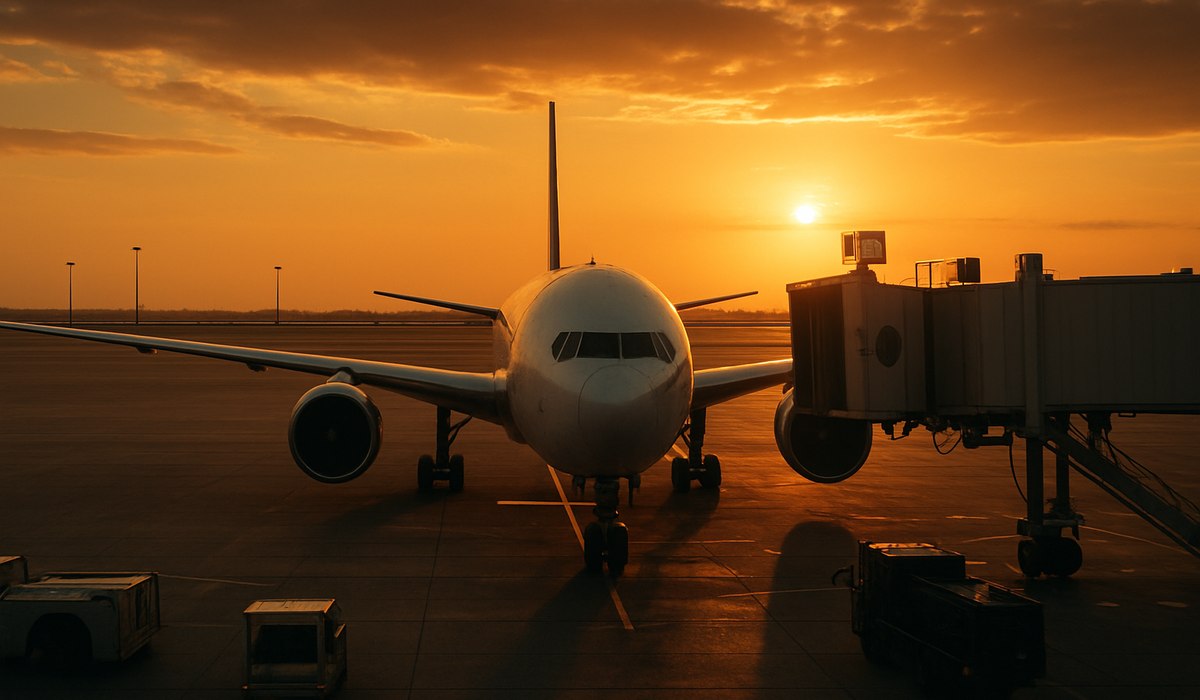
Image generated by AI
Lufthansa Airlines Shutting Down CityLine Subsidiary Immediately
Lufthansa Group announced the immediate cessation of operations for its CityLine subsidiary, effective April 2026, abandoning previously planned gradual wind-down timelines. The German aviation conglomerate cited unprecedented fuel price volatility and escalating labor disputes as primary drivers for the abrupt decision. This marks a significant consolidation within the Lufthansa Group portfolio, affecting regional air connectivity across Central and Western Europe.
The accelerated shutdown represents a dramatic reversal from Lufthansa's earlier strategy. What was positioned as an orderly, phased closure has transformed into an immediate operational halt. Thousands of passengers face booking complications, while employees confront sudden job termination across CityLine's operational hubs.
Why Lufthansa Is Closing CityLine Now
Geopolitical tensions and energy market instability created the perfect storm for Lufthansa's decision. Jet fuel prices surged beyond forecasted thresholds following regional conflicts, squeezing margins across regional carriers disproportionately. CityLine's smaller aircraft and limited pricing flexibility made the subsidiary particularly vulnerable to cost pressures.
Labor negotiations deteriorated simultaneously. Pilot and flight attendant unions demanded wage increases aligned with legacy carrier standards, while management resisted given CityLine's already-compressed profitability. Rather than prolonging contentious negotiations, Lufthansa opted for immediate operational closure.
The subsidiary had operated since 1994 as a feeder network for larger Lufthansa hubs. However, ongoing consolidation pressures and regional competition from low-cost carriers rendered CityLine's operational model increasingly untenable. Fuel surcharges and labor costs combined to eliminate any remaining strategic justification for maintaining separate regional operations.
Impact on Routes and Passengers
CityLine operated approximately 350 daily flights across 60 European destinations before closure. Major hub airports including Frankfurt, Munich, and Berlin experienced immediate schedule disruptions. Passengers holding confirmed bookings faced rapid rebooking on Lufthansa mainline flights or competing carriers.
The shutdown affects regional markets including routes to Switzerland, Austria, and Eastern European capitals. Business travelers relying on consistent regional connectivity experienced significant operational disruption. Budget-conscious leisure passengers lost an economical routing option as competitors absorbed routes at premium pricing.
Lufthansa committed to honoring existing tickets through mainline rebooking, though service downgrades and routing changes proved unavoidable. Schedule gaps emerged on less-trafficked regional corridors where Lufthansa mainline operations cannot economically substitute CityLine capacity. Some secondary markets experienced temporary service suspension.
Flight cancellations and cascading delays rippled through Lufthansa Group's broader network as integration logistics proved more complex than anticipated. Ground operations staff faced overwhelming rebooking demands. Customer service centers operated at capacity managing thousands of angry passenger inquiries daily.
Labor Unrest and Rising Operational Costs
CityLine employed approximately 4,200 personnel across pilot, cabin crew, ground operations, and maintenance functions. The immediate shutdown eliminated these positions entirely without negotiated separation packages for unionized staff. Legal challenges from employee representatives proceeded swiftly through German labor courts.
Wage disputes centered on compensation parity. CityLine pilots earned 15-20% less than Lufthansa mainline colleagues despite identical responsibilities. Flight attendants faced similar disparities. Union leadership demanded alignment before accepting any closure scenario, creating negotiating gridlock.
Fuel surcharges intensified management pressure. Jet kerosene prices increased 40% year-over-year, directly attacking regional carrier profitability. CityLine's older turboprop fleet proved particularly inefficient compared to modern narrow-body aircraft. Maintenance costs escalated correspondingly as aircraft aged without replacement capital investment.
The combination proved fiscally unsustainable. Lufthansa Group modeled continued CityLine operations and determined losses would exceed €150 million annually under baseline fuel price assumptions. This financial reality accelerated the decision timeline from gradual phaseout to immediate discontinuation.
What This Means for Lufthansa Group's Future
The CityLine shutdown signals aggressive portfolio rationalization across Lufthansa Group. Management signaled reduced appetite for maintaining subsidiary brands under current market conditions. Future cost pressures may trigger similar consolidation decisions affecting other group carriers.
Regional air connectivity faces structural challenges. As legacy carriers withdraw regional operations, European air transport networks become increasingly concentrated among low-cost carriers and remaining legacy hub operators. This consolidation may reduce frequency and increase fares on less-profitable regional routes.
Lufthansa Group's competitive positioning versus budget carriers continues intensifying. By eliminating CityLine's cost disadvantage, Lufthansa attempts repositioning as a unified, leaner competitor. However, route economics favoring low-cost operations remain unchanged.
Employment across German aviation faces ongoing pressure. Beyond CityLine, Lufthansa Group signaled potential workforce reductions across subsidiary operations. This reflects broader industry trends toward operational efficiency and staff optimization in response to structural cost increases.
Traveler Action Checklist
If you held CityLine bookings, follow these steps immediately:
-
Contact Lufthansa directly via phone or official website—do not rely on automated systems that may not have updated rebooking information.
-
Verify your rebooking confirmation across multiple channels; request email confirmation of all new flight details, including terminal locations and departure times.
-
Review your passenger rights under EU261 regulations; check eligibility for compensation claims at US DOT or European aviation authority websites.
-
Monitor real-time flight status through FlightAware if your rebooked flight remains uncertain—expect ongoing cascading changes.
-
Document all expenses incurred due to cancellations: accommodation, meals, transportation—maintain receipts for compensation claims.
-
File formal complaints with aviation regulators within required timeframes; German and EU authorities maintain specific procedures for mass disruption incidents.
-
Explore alternative routing immediately if rebooking timelines exceed acceptable thresholds—competitor fares may provide faster solutions despite higher cost.
Key Data Table
| Metric | Detail |
|---|---|
| Subsidiary | Lufthansa CityLine |
| Closure Date | April 2026 (immediate) |
| Daily Flights Affected | ~350 flights |
| Destinations Served | 60 European airports |
| Employees Impacted | ~4,200 staff members |
| Previous Operating Years | 32 years (since 1994) |
| Estimated Annual Losses | €150+ million |
| Fleet Size | Turboprop and regional jet aircraft |
| Primary Hubs | Frankfurt, Munich, Berlin |
| Fuel Price Increase | 40% year-over-year |
What This Means for Travelers
The CityLine shutdown creates immediate booking chaos but offers long-term implications for European air travel economics. Passengers must act decisively to protect their travel plans and financial interests.
Compensation eligibility depends on flight distance, delay duration, and airline responsibility classification. EU261 regulations mandate specific compensation for most European flights experiencing significant delays or cancellations. Document everything and submit claims within regulatory timeframes.
Regional route consolidation may reduce competition on secondary European corridors. Expect price increases once Lufthansa captures previously CityLine-served markets. Budget-conscious travelers should book alternative routes before capacity normalizes and pricing adjusts.
Monitor Lufthansa Group announcements carefully; additional subsidiary rationalization may follow if fuel prices remain elevated. Hedging strategies through booking refundable fares or travel insurance become increasingly valuable during industry consolidation periods.
Frequently Asked Questions
**Q: Will my CityLine ticket remain valid after the shutdown
Disclaimer
This article is for informational and educational purposes only. It does not constitute legal, financial, or professional advice. While we strive to provide accurate and up-to-date information, travel policies, regulations, and conditions change rapidly. Always verify information with official sources before making travel decisions. Nomad Lawyer makes no representations about the accuracy, reliability, completeness, or suitability of the information provided. Readers should consult qualified professionals for advice specific to their circumstances. The views expressed in this article are those of the author and do not necessarily reflect the views of Nomad Lawyer.
Raushan Kumar
Founder & Lead Developer
Full-stack developer with 11+ years of experience and a passionate traveller. Raushan built Nomad Lawyer from the ground up with a vision to create the best travel and law experience on the web.
Learn more about our team →