
Ryanair Achieves Debt-Free Status as Europe's Budget Carrier Accelerates Fleet Modernization and Competitive Pricing Strategy
Breaking airline news and aviation industry updates for 2026.

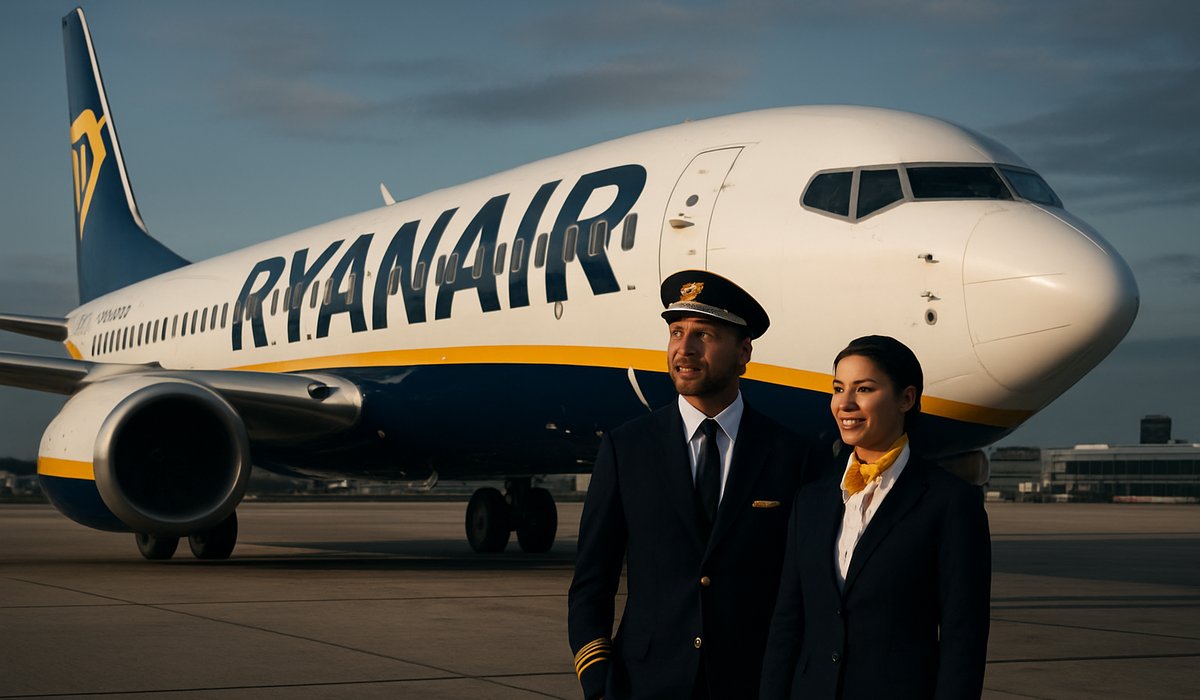
Image generated by AI
Ryanair Achieves Debt-Free Status as Europe's Budget Carrier Accelerates Fleet Modernization and Competitive Pricing Strategy
Ultra-low-cost operator eliminates final €1.2 billion bond obligation, positioning itself for aggressive expansion amid volatile jet fuel markets
Historic Financial Milestone Strengthens Market Position
Ryanair has officially eliminated its entire debt portfolio, marking a transformative moment for Europe's largest budget airline. The Dublin-based carrier confirmed on May 25 that it has repaid its final €1.2 billion ($1.4 billion) bond obligation, leaving the airline with a pristine balance sheet heading into the peak Northern Hemisphere summer travel season.
The achievement represents a dramatic financial turnaround for an airline that, just over a decade ago, carried substantial debt burdens common to the aviation industry. By clearing all outstanding debt, Ryanair removes significant financial constraints that typically limit operational flexibility and capital investment capacity during economic downturns or fuel price spikes.
Fleet Expansion Underpins Competitive Advantage
The debt-free status arrives as Ryanair operates one of the world's most modern narrow-body fleets, comprising 620 Boeing 737 aircraft owned outright. This substantial owned fleet eliminates leasing obligations and provides the carrier with unprecedented operational autonomy—a critical advantage in an industry where aircraft availability directly impacts pricing strategy and route capacity.
The carrier has positioned itself to undercut competitors on fares by leveraging this asset-rich position. With owned aircraft and no debt servicing requirements, Ryanair can maintain aggressive ticket pricing while sustaining profitability through ancillary revenue streams, including baggage charges, seat selection fees, and onboard sales—a model that has proven resilient even as jet fuel prices fluctuate.
Industry Context: Cost Pressures and Competitive Dynamics
The airline's financial breakthrough occurs against a backdrop of sustained pressure on the aviation sector. While jet fuel prices have stabilized from pandemic-era volatility, carriers continue navigating inflationary cost pressures, rising labor expenses, and increased airport charges across European hubs. Legacy carriers and full-service operators remain burdened by significantly higher cost structures and debt obligations, limiting their pricing flexibility.
Ryanair's debt-free position now provides a structural competitive advantage. The carrier can absorb cost shocks more effectively than rivals and deploy capital strategically toward fleet renewal, route expansion, or shareholder returns without competing creditor obligations.
Strategic Implications for Summer Travel Market
As the aviation industry enters peak summer demand, Ryanair's enhanced financial position enables it to capture market share through lower fares than competing carriers—a positioning explicitly reinforced by airline management. The elimination of debt service costs directly translates to lower cost-per-available-seat-kilometer, allowing the carrier to maintain industry-leading unit economics.
FAQ: Understanding Ryanair's Debt-Free Achievement and Industry Impact
Q: How does Ryanair's debt-free status affect airline ticket prices? A: Removing €1.2 billion in annual debt obligations reduces Ryanair's per-seat operating costs, enabling the carrier to maintain lower fares than competitors while sustaining profitability through ancillary revenue and operational efficiency.
Q: What impact do jet fuel prices have on Ryanair's competitive position? A: Debt-free operations provide greater pricing flexibility during fuel cost volatility. Unlike carriers with high debt obligations, Ryanair can absorb fuel surges without immediately raising fares, maintaining competitive advantage during supply-driven price spikes.
Q: Why does owning 620 aircraft matter for an airline's financial strategy? A: Owned fleets eliminate leasing costs and provide operational autonomy, allowing Ryanair to adjust capacity, retire older aircraft, and deploy resources without lessor constraints—critical flexibility in managing baggage charges, seat allocation, and dynamic pricing strategies.
Q: How does Ryanair's financial position compare to other European carriers? A: Most legacy and full-service competitors operate under significant debt obligations and higher structural cost bases, limiting their ability to compete on fares while maintaining profitability—a structural disadvantage that Ryanair's debt-free position exploits.
Q: What are the implications of this milestone for airline fees and baggage charges? A: With reduced financial pressure, Ryanair can maintain current ancillary fee structures while competing aggressively on base fares, potentially forcing industry-wide reassessment of baggage pricing and ancillary revenue models.
Related Travel Guides
- US Flights in Meltdown — 569 Cancelled, 5,713 Delayed Across America Today
- Virgin Atlantic VS8 Declares Mid-Air Emergency Over UK: Los Angeles to Heathrow A350-1000 Squawks 7700 and Lands Safely on Runway 09L After Serious Onboard Medical Crisis
- Japan Aviation Disruption: 245 Delays and 11 Cancellations Hit Tokyo, Osaka, Sapporo
Disclaimer
This article is for informational and educational purposes only. It does not constitute legal, financial, or professional advice. While we strive to provide accurate and up-to-date information, travel policies, regulations, and conditions change rapidly. Always verify information with official sources before making travel decisions. Nomad Lawyer makes no representations about the accuracy, reliability, completeness, or suitability of the information provided. Readers should consult qualified professionals for advice specific to their circumstances. The views expressed in this article are those of the author and do not necessarily reflect the views of Nomad Lawyer.
Raushan Kumar
Founder & Lead Developer
Full-stack developer with 11+ years of experience and a passionate traveller. Raushan built Nomad Lawyer from the ground up with a vision to create the best travel and law experience on the web.
Learn more about our team →