
Louisiana Tourism Breaks Records with $19.5 Billion Economic Impact

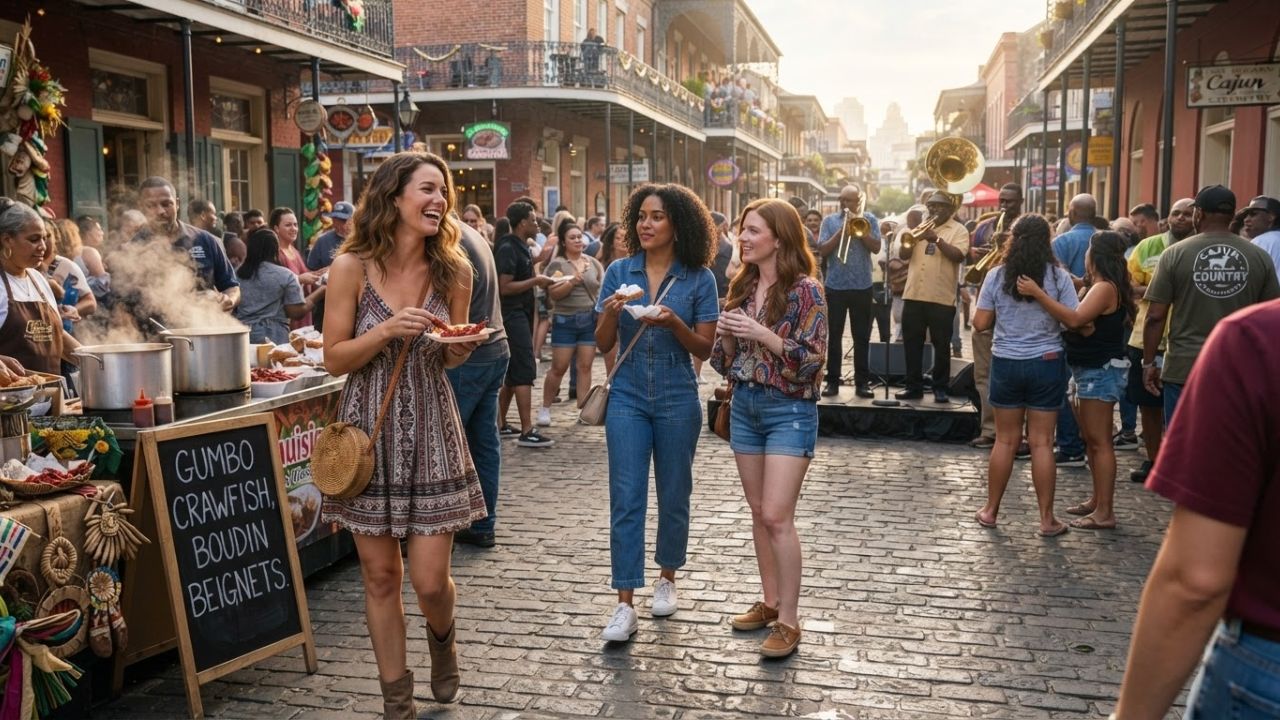
Image generated by AI
Louisiana welcomed a record 45.0 million visitors in 2025, generating a historic $19.5 billion in direct visitor spending across all 64 parishes and providing an average net tax savings of $1,317 for every household in the state. Driven by the Super Bowl LIX mega-festival and the statewide "Year of Food" campaign, visitor volume grew by 254,000 compared to the 44.5 million recorded in 2024, representing a 5.4% increase in tourism expenditure from the previous year's $18.5 billion.
The tourism surge generated over $2.0 billion in state and local tax revenues and supported 225,600 direct jobs, establishing the hospitality sector as Louisiana's fourth-largest employment engine. Supported by marketing initiatives from the Louisiana Department of Culture, Recreation and Tourism, the historic travel boom successfully distributed passenger traffic from urban hubs into rural parish festivals.
The Local Trend: Cultural Festivals and Mega-Events as Economic Anchors
The primary trend driving Louisiana's tourism growth is the coordination of major sporting events and local cultural celebrations to create year-round visitor demand. In early 2025, New Orleans hosted Super Bowl LIX, which operated as a multi-day mega-festival generating $1.25 billion in total statewide economic impact. The event attracted 115,000 total attendees, including over 100,000 out-of-state visitors from 45 U.S. states, with 75% of those visitors staying longer than three nights.
According to research conducted by MMGY Global and Tourism Economics, the state's total visitor volume reached 45.0 million in 2025, representing a net gain of 254,000 compared to 2024's 44.5 million. Outbound spending from these visitors rose by 5.4%, climbing from $18.5 billion to $19.5 billion. The massive flow of out-of-state visitors during the Super Bowl LIX weekend created significant economic spillover into neighboring regions like St. Tammany Parish and Jefferson Parish, where hotels and local dining venues reported unprecedented occupancy rates.
This mega-event calendar was supported by the state's traditional cultural festivals, which set attendance milestones:
- French Quarter Festival: Gathered 1.0 million visitors in New Orleans' historic district, generating $4.3 million in direct culinary sales for local food vendors.
- New Orleans Jazz & Heritage Festival: Attracted 475,000 attendees over two four-day weekends at the Fair Grounds, showcasing 600 musical acts with 85% comprising local talent.
- Ponchatoula Strawberry Festival: Drew record crowds to Tangipahoa Parish as part of the Lieutenant Governor's "Year of Food" campaign to promote rural tourism.
- Breaux Bridge Crawfish Festival: Attracted thousands of food travellers to St. Martin Parish, celebrating the culinary heritage of Cajun country.
By combining large-scale sports marketing with localized food and music heritage, the state has built a resilient travel economy that attracts visitors throughout the year.
Cultural & Environmental Value: Supporting Cajun Heritage and Rural Communities
For the visitor, the real value of Louisiana's tourism success is the way it supports the preservation of unique regional cultures, traditional music, and wetland ecosystems. Outbound spending from visitors provides direct economic support to family-owned businesses, local musicians, and artisans in rural parishes.
Other major regional events, such as the Louisiana Peach Festival in Ruston (Lincoln Parish), the Alligator Festival in St. Charles Parish, and the Scott Boudin Festival in Lafayette Parish, generated essential tax revenues that sustained municipal public services. These localized festivals are vital to the financial stability of rural communities. The participation of local craftsmen and food vendors ensures that tourism spending remains within the parish, directly supporting the local economy.
This cultural preservation is supported by sustainable travel initiatives across the state:
- Preserving Cajun and Creole Traditions: Festivals like the Natchitoches-NSU Folk Festival in Natchitoches Parish and the Scott Boudin Festival in Lafayette Parish celebrate regional folklore, traditional crafts, and historical storytelling.
- Eco-Tourism in the Wetlands: Swamp tours in the Atchafalaya Basin (the nation's largest river swamp) operate under conservation guidelines to protect local ecosystems, supporting environmental education and wildlife preservation.
- Supporting Local Talent: By requiring that the vast majority of performers at major events be local artists, the state's creative economy receives direct funding from international ticket sales.
These regional initiatives are monitored by the Louisiana Office of Tourism, which coordinates with local parish tourism commissions to ensure that tourism development respects the cultural heritage and environmental needs of each community.
Traditional Gastronomy: Culinary Masterpieces of Louisiana
Louisiana's food culture is a major driver of tourism, offering visitors a blend of French, Spanish, African, and Native American culinary traditions:
- Gumbo: A thick, savory stew cooked with a dark roux, okra, file powder, and a combination of chicken, smoked sausage, or fresh Gulf seafood.
- Jambalaya: A flavorful one-pot rice dish seasoned with the "holy trinity" (onions, celery, and bell peppers), cooked with pork, chicken, sausage, and spices.
- Beignets (New Orleans): Puffy, square French doughnuts fried until golden brown, served hot and covered in a generous dusting of powdered sugar.
- Boudin (Cajun Country): A traditional sausage stuffed with a seasoned mixture of pork, rice, onions, and herbs, served steamed or rolled into fried balls.
- Crawfish Etouffee: A rich, savory gravy made with butter, flour, onions, celery, bell peppers, and crawfish tails, served warm over a bed of white rice.
Visitor Insider Tips: Navigating Louisiana's Festivals and Parades
To enjoy your festival experience safely and make the most of your journey through Louisiana's parishes, follow these guidelines:
- Use the Official Festival Shuttle Buses: During major events like Jazz Fest, parking near the venue is extremely limited. Use the official shuttle services departing from downtown hotels to save time and reduce road traffic.
- Book Your French Quarter Accommodation Early: Hotels in New Orleans fill months in advance for major festivals. Consider staying in neighboring Jefferson Parish or St. Tammany Parish, which offer affordable rates and public transit links.
- Participate in Parade Etiquette Respectfully: When attending Mardi Gras or local parades, shout the traditional phrase, "Throw me something, mister!" to catch beads and trinkets from the floats. Avoid grabbing items from the ground to prevent hand injuries.
- Explore Rural Parishes During the Week: Popular food festivals can draw massive weekend crowds. Visit the historic districts of Natchitoches or Lafayette on weekdays to enjoy the local dining scene in a quieter environment.
- Contact Local Parish Tourism Centers for Guides: Each parish offers dedicated visitor centers with free maps, walking tour guides, and directories of local, family-owned restaurants and guesthouses.
Outlook: Global Arrivals and the Future of Festival Tourism
The record-setting performance of 2025 demonstrates the economic strength of Louisiana's international tourism strategy. Long-haul international routes have continued to recover, with overseas arrivals showing a 16.9% increase. These international visitors represent a high-value segment, spending an average of $4,000 per trip — compared to the domestic average of $1,163 — and staying longer to explore multiple parishes.
The sustained recovery of long-haul international routes has also boosted the overall economic performance of the state. Visitors from key European markets, including the United Kingdom, France, and Germany, stayed longer and spent more than domestic travelers. The average international visitor spent $4,000 per trip, compared to the domestic average of $1,163. This strong performance highlights the commercial value of international marketing campaigns that promote Louisiana's unique culture and gastronomy to a global audience.
Future development will focus on the modernization of terminal facilities at Louis Armstrong New Orleans International Airport, the expansion of greenway trail networks in Acadiana, and the promotion of sustainable eco-tourism programs in coastal regions. By balancing tourism growth with cultural preservation and community-focused tax benefits, Louisiana aims to secure its position as the festival host of the world, ensuring that visitor experiences remain authentic, culturally rich, and economically beneficial for all residents.
Related Travel Guides
Disclaimer
This article is for informational and educational purposes only. It does not constitute legal, financial, or professional advice. While we strive to provide accurate and up-to-date information, travel policies, regulations, and conditions change rapidly. Always verify information with official sources before making travel decisions. Nomad Lawyer makes no representations about the accuracy, reliability, completeness, or suitability of the information provided. Readers should consult qualified professionals for advice specific to their circumstances. The views expressed in this article are those of the author and do not necessarily reflect the views of Nomad Lawyer.
Raushan Kumar
Founder & Lead Developer
Full-stack developer with 11+ years of experience and a passionate traveller. Raushan built Nomad Lawyer from the ground up with a vision to create the best travel and law experience on the web.
Learn more about our team →