
Leverage Tourism Cultural Renaissance: Uttar Pradesh Unveils $2B Investment Plan
Uttar Pradesh launches comprehensive tourism expansion strategy in 2026 to leverage tourism cultural initiatives, create jobs, and position itself as a global investment hub through heritage-focused development.

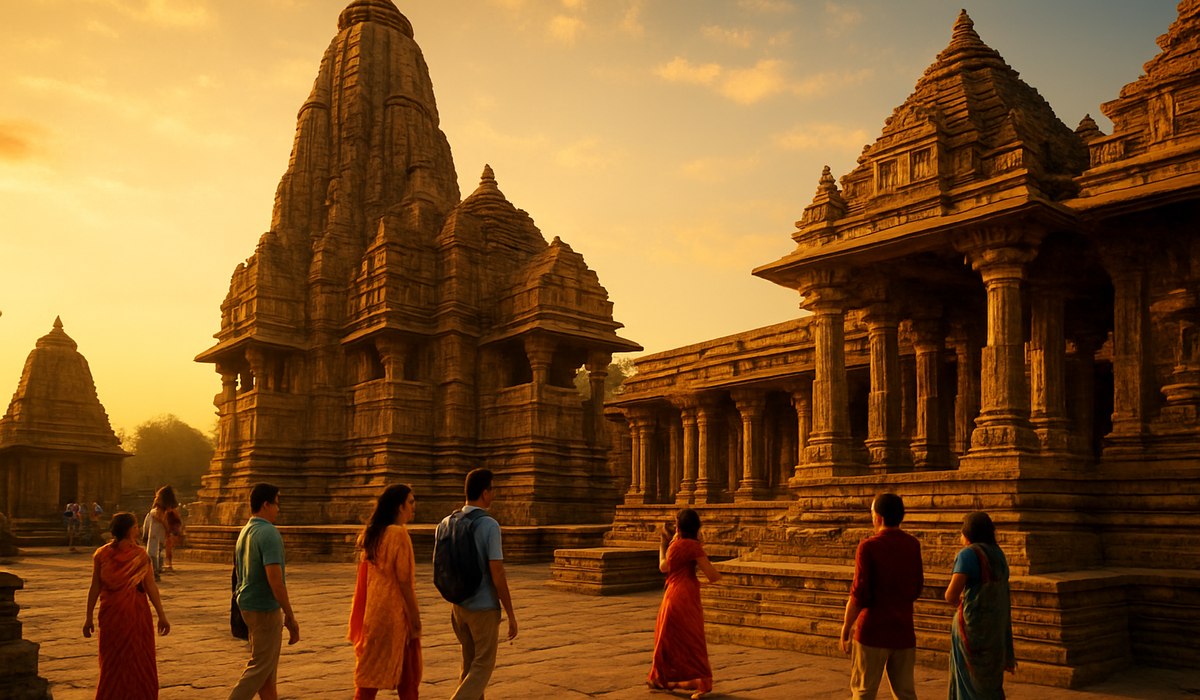
Image generated by AI
Uttar Pradesh Positions Tourism as Economic Driver for Cultural Preservation and Employment
Uttar Pradesh is accelerating its tourism sector transformation with an ambitious strategy to leverage tourism cultural initiatives across the state. Chief Minister Yogi Adityanath announced the comprehensive plan on June 6, 2026, targeting cultural renaissance, massive job creation, and positioning the region as a premier global investment destination. The state's approach combines heritage preservation, agri-tourism development, and experience-based tourism circuits designed to generate employment while safeguarding ancient manuscripts and national heritage sites.
This initiative marks a significant shift in how India's most visited state monetizes its rich cultural assets while creating sustainable livelihoods for local communities.
Cultural Renaissance Through Heritage Tourism
Uttar Pradesh possesses one of India's most extensive collections of historical monuments and cultural landmarks. The state government's strategy to leverage tourism cultural resources focuses on transforming these assets into world-class tourism experiences. New heritage circuits are being developed across districts containing Mughal architecture, ancient temples, and medieval structures that attract global travelers.
The cultural renaissance initiative prioritizes restoration of deteriorating monuments while creating employment for skilled artisans, guides, and hospitality professionals. Conservation programs combine traditional craftsmanship knowledge with modern restoration techniques. Digital documentation projects are preserving historical narratives through virtual reality experiences and multimedia exhibits. These developments enable both domestic and international visitors to engage authentically with Uttar Pradesh's cultural legacy.
Investment in interpretive centers, museum expansions, and heritage hotel conversions is creating middle-skilled employment opportunities across rural and semi-urban areas where tourism infrastructure previously remained limited.
Job Creation and Local Economic Growth
The tourism expansion directly addresses employment challenges in Uttar Pradesh's underserved regions. Heritage circuit development generates roles in hospitality, transportation, retail, and cultural services. Agri-tourism initiatives create opportunities for farmers transitioning into experience-based tourism by opening farm stays and agricultural demonstrations.
Local communities gain income through traditional craft workshops, homestay operations, and tour guidance positions. Women's employment in tourism hospitality has become a priority, with skill development centers training thousands annually. The multiplier effect of tourism spending supports restaurants, accommodation providers, artisans, and transportation services.
Government projections indicate the tourism expansion will create approximately 250,000 direct and indirect jobs by 2028. Training programs partner with hospitality institutions to ensure workforce readiness for luxury and mid-range tourism operations serving international visitor expectations.
Investment Opportunities and New Tourism Circuits
Three major tourism circuits are under development: the Spiritual Triangle connecting Varanasi, Ayodhya, and Mathura; the Mughal Heritage Circuit spanning Agra, Lucknow, and Fatehpur Sikri; and the Bundelkhand Adventure Circuit offering rural tourism experiences. Each circuit receives infrastructure investment for highway improvements, airport connectivity, and digital services.
Private sector participation is encouraged through land leasing agreements, infrastructure development partnerships, and hospitality brand collaborations. Tax incentives and regulatory streamlining attract hotel chains, restaurant groups, and experiential tourism operators. International investment interest has increased significantly following the announcement of these circuits and simplified foreign investment procedures.
Public-private partnerships accelerate accommodation development, transportation networks, and experience design. Real estate developers are constructing heritage-themed hotels and resorts near protected monument zones, subject to strict architectural compliance guidelines.
Preservation of National Heritage and Manuscripts
Beyond visitor experience, the initiative prioritizes preserving Uttar Pradesh's irreplaceable historical manuscripts and archaeological collections. The state government is establishing advanced conservation laboratories and hiring trained restoration experts. Digital archival projects create permanent backups of vulnerable documents dating to medieval and ancient periods.
Museums and heritage institutions receive funding for climate-controlled storage facilities and professional conservation treatment. International collaboration with UNESCO and specialized heritage organizations brings technical expertise and best practices to preservation efforts. Public education programs raise awareness about manuscript conservation among local communities and students.
This preservation-focused approach ensures tourism development doesn't compromise the cultural assets generating economic benefits. Sustainable visitor management protects fragile documents and archaeological sites from damage while making them accessible to researchers and travelers.
Key Tourism Metrics and Development Timeline
| Metric | Target | Timeline | Impact |
|---|---|---|---|
| Annual tourism arrivals | 45 million visitors | 2028 | Revenue growth of 250% |
| Direct employment creation | 150,000 jobs | 2028 | Reduced unemployment in rural areas |
| Heritage circuit infrastructure | 3 major circuits | 2027 | Enhanced visitor experience quality |
| Hotels and accommodations | 500 new properties | 2028 | Room capacity increase of 180% |
| International tourist arrivals | 2.5 million annually | 2026-2027 | Global recognition increase |
| Manuscript conservation projects | 25 facilities | 2027 | Preservation of 50,000+ documents |
What This Means for Travelers
This tourism expansion creates exceptional opportunities for visitors seeking authentic cultural experiences in 2026-2027:
-
Heritage circuit launches offer curated multi-day journeys through historically significant sites with professional interpretation and restored monuments that were previously inaccessible.
-
Agri-tourism experiences provide hands-on opportunities to participate in farming activities, traditional food preparation, and rural life immersion with families in sustainable homestay settings.
-
Enhanced accessibility includes improved transportation networks, better airport connectivity via direct international flights, and digital booking systems for heritage sites reducing wait times.
-
Luxury tourism options expand significantly with new heritage hotels and boutique properties offering high-end accommodations near major monuments while maintaining architectural authenticity.
-
Cultural authentication ensures visitor engagement with local guides, artisans, and community members rather than generic tourism experiences, supporting direct economic benefit to heritage guardians.
-
International recognition positions Uttar Pradesh for UNESCO World Heritage designations and global tourism awards, translating to improved service standards and world-class visitor facilities.
Frequently Asked Questions
When will the new tourism circuits become fully operational?
The Spiritual Triangle circuit launches in Q4 2026, with the Mughal Heritage and Bundelkhand circuits following by mid-2027. Infrastructure development is proceeding on an accelerated timeline to accommodate expected visitor surge from international tourism interest.
Which heritage sites receive priority restoration funding first?
Varanasi's waterfront temples, Ayodhya's historical precinct, Agra's secondary monuments beyond the Taj Mahal, and Lucknow's Awadhi architectural sites are among 2026 priorities, determined by visitor accessibility impact and conservation urgency assessments.
Are homestays and agri-tourism accommodations adequately regulated for safety?
All homestays and farm stays must meet government certification standards covering food safety, structural safety, and basic amenities. Training programs ensure operators understand hospitality regulations and liability insurance requirements before welcoming visitors.
How does tourism development protect archaeological sites from damage?
Visitor management systems implement daily entry caps, designated pathways restricting access to fragile areas, and professional monitoring. Conservation teams work continuously to repair wear damage while digital restoration projects create virtual alternatives reducing physical monument contact.
Related Travel Guides
- Nine Flights Canceled at Kuwait International Airport Amid Airspace Crisis
- Escaping the Travel Chaos: China Airlines Unveils Revolutionary 2026 Premium Economy on Boeing 787 Fleet to Shield Passengers from Long-Haul Flight Disruptions
- Qantas Increases European Routes Amid Global Flight Disruptions Across UK, UAE, Qatar
Disclaimer
This article synthesizes information from government tourism announcements and development initiatives as of June 2026. For the most current tourism information, heritage site access details, and accommodation availability, consult the
Disclaimer
This article is for informational and educational purposes only. It does not constitute legal, financial, or professional advice. While we strive to provide accurate and up-to-date information, travel policies, regulations, and conditions change rapidly. Always verify information with official sources before making travel decisions. Nomad Lawyer makes no representations about the accuracy, reliability, completeness, or suitability of the information provided. Readers should consult qualified professionals for advice specific to their circumstances. The views expressed in this article are those of the author and do not necessarily reflect the views of Nomad Lawyer.
Preeti Gunjan
Contributor & Community Manager
A passionate traveller and community builder. Preeti helps grow the Nomad Lawyer community, fostering engagement and bringing the reader experience to life.
Learn more about our team →