
Leopard Safari Projects Launch in Nashik District for Wildlife Tourism 2026
Maharashtra's forest department unveils leopard safari experiences in Trimbakeshwar and Yeola, Nashik district, in 2026. The initiative combines wildlife tourism with human-leopard conflict mitigation through guided tours in semi-natural habitats.

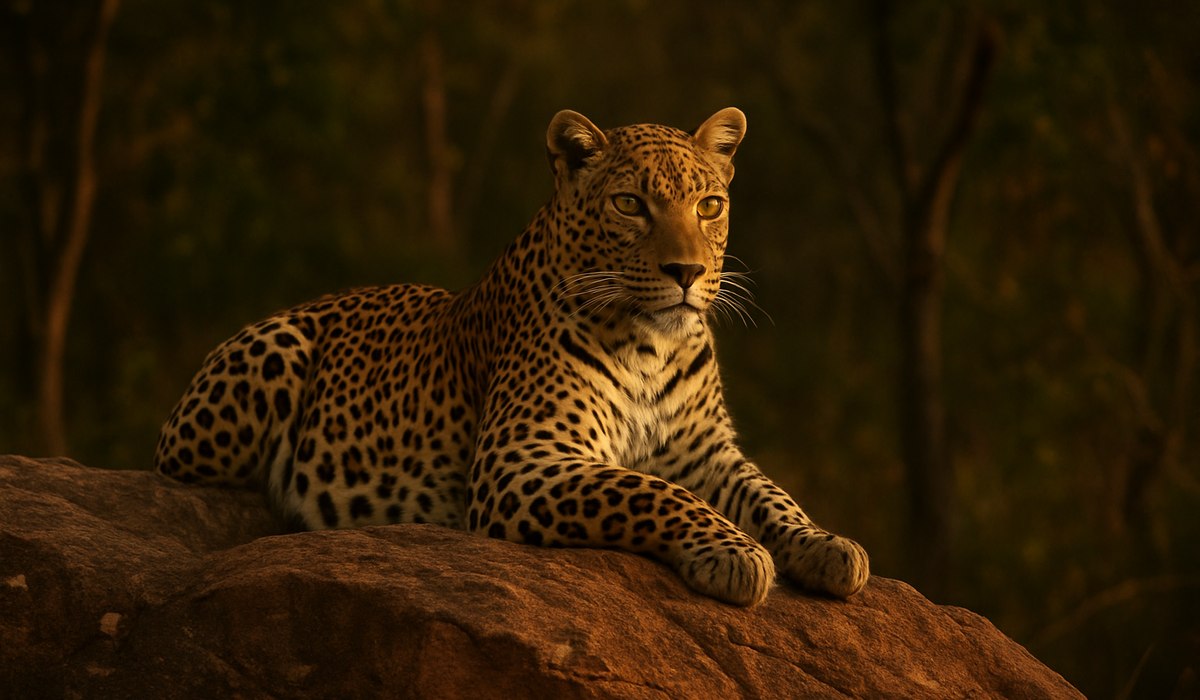
Image generated by AI
Maharashtra's Leopard Safari Initiative Transforms Nashik Wildlife Tourism
Maharashtra's forest department is launching controlled leopard safari experiences in Trimbakeshwar and Yeola within Nashik district, marking a significant shift in how the state manages wildlife tourism and human-animal conflict. The initiative introduces visitors to rescued leopards through guided expeditions in semi-natural habitats, creating a sustainable revenue stream while reducing dangerous encounters between communities and apex predators. Officials are currently preparing comprehensive project reports to secure government clearance for phased implementation throughout 2026.
This landmark wildlife tourism venture addresses two critical challenges simultaneously: generating income for local conservation efforts and decreasing human-leopard incidents that have escalated across Maharashtra's rural communities. The leopard safari concept leverages existing wildlife expertise within Nashik's forest management infrastructure.
Leopard Safari Projects Take Shape in Nashik District
The leopard safari initiative represents an innovative approach to wildlife management in Maharashtra's most biodiverse regions. Trimbakeshwar, nestled within the Western Ghats, has historically served as a leopard habitat corridor connecting fragmented forest patches. Yeola, positioned in the transition zone between deciduous and scrub forests, offers complementary ecological conditions for the project's second location.
Forest department planners envision these sites as flagship destinations for experiential wildlife tourism. The projects will employ rescued leopards previously captured near human settlements, transforming problem animals into ambassadors for conservation education. Revenue generated through safari permits will directly fund habitat restoration, conflict mitigation programs, and community compensation schemes. Each location will maintain separate operational zones to prevent animal stress and ensure visitor safety protocols align with international wildlife tourism standards.
Infrastructure development includes specialized viewing corridors, veterinary facilities, and ranger training centers. The phased rollout prioritizes safety assessments and animal welfare certifications before public access begins.
Semi-Natural Habitats and Guided Tour Experience
Visitors participating in the leopard safari will traverse designated pathways within semi-natural enclosures designed to simulate natural behavioral patterns. These habitats span multiple ecological zones, allowing leopards to express natural hunting, marking, and territorial behaviors while remaining secure within managed boundaries.
Guided tours operate exclusively through specialized vehicles equipped with wildlife observation platforms and naturalist-led commentary. Professional rangers trained in big cat behavior will accompany all expeditions, explaining leopard ecology, conservation challenges, and the specific rescue histories of individual animals. Tour durations range from two to four hours, with morning and evening slots optimizing visibility during peak leopard activity periods.
Safety protocols mandate maximum group sizes of six visitors per vehicle, maintaining secure distances from animals and minimizing behavioral disruption. Advanced booking systems will stagger visitor flow to prevent overcrowding and environmental degradation. The experience combines educational enrichment with genuine wildlife encounters, differentiating Maharashtra's leopard safari from conventional zoo settings.
Check TripAdvisor's wildlife tour reviews for visitor feedback on similar Indian safari experiences.
Addressing Human-Leopard Conflict Through Tourism
Nashik district experiences recurring human-leopard conflicts, with incidents averaging 15-20 reported confrontations annually over the past five years. Livestock predation and occasional human injuries create significant tension between forest-adjacent communities and wildlife authorities. The leopard safari initiative reframes this conflict dynamic by demonstrating economic value in living leopards versus perceived threats.
Community engagement programs parallel the safari development, educating villagers about leopard behavior, conflict prevention techniques, and compensation mechanisms. By creating employment opportunities for local guides, hospitality workers, and conservation staff, the projects incentivize community support for leopard protection. Compensation schemes funded through safari revenues provide faster, more equitable payouts to livestock loss victims than traditional bureaucratic processes.
The initiative also funds livestock protection infrastructure including electric fencing, enclosure improvements, and guardian animal programs. These preventive measures reduce conflict incidents while demonstrating tangible conservation benefits to skeptical communities. Long-term success depends on equitable revenue sharing and transparent fund allocation to ensure local populations view leopard preservation as economically advantageous.
Timeline and Government Approval Process
The Maharashtra forest department has initiated detailed project report development targeting completion by mid-2026. These comprehensive documents outline infrastructure specifications, financial projections, animal welfare protocols, and environmental impact assessments. Government approval processes typically require examination by multiple departmental committees and wildlife boards before implementation authorization.
Expected approval timeline suggests initial phase commencement by late 2026 or early 2027. Trimbakeshwar's proximity to existing temple infrastructure and road networks may accelerate development compared to Yeola's more remote location. Infrastructure construction, including habitat preparation, vehicle modification, and facility installation, will proceed simultaneously across both sites following clearance.
Wildlife authorities anticipate soft opening trials with limited visitor capacity during 2027, gradually scaling operations based on operational experience and animal behavioral responses. Full commercial operations targeting substantial tourist volumes are projected for 2028 and beyond.
Best Time to Visit
Leopard activity peaks during monsoon-adjacent seasons when cooler temperatures and increased prey availability drive heightened territorial movements. November through February represents the optimal visitor window, combining excellent visibility, comfortable weather conditions, and maximum leopard activity. Morning safaris (6:00 AM – 9:00 AM) and evening expeditions (3:30 PM – 6:30 PM) align with natural leopard activity patterns.
The March-May pre-monsoon period presents extremely hot conditions exceeding 40°C, reducing both animal visibility and visitor comfort. June through September monsoon months involve heavy rainfall, muddy terrain, and vehicle access challenges. October offers transitional conditions with improving weather and returning leopard visibility. Visit timing should coordinate with official opening announcements and booking availability through the Nashik wildlife tourism portal.
How to Get There
Nashik district is located approximately 180 kilometers north of Mumbai, accessible via the NH48 highway connecting Pune and Delhi. The city serves as the primary transit hub, offering multiple transportation options for visitors.
By Air: Nashik doesn't maintain commercial aviation infrastructure. Travelers fly into Mumbai International Airport or Pune Airport, then drive northward via hired vehicles or intercity buses. Journey duration from Mumbai spans three to three-and-a-half hours depending on traffic conditions and specific destination within Nashik district.
By Rail: Central Railways operates frequent services connecting Mumbai and Pune to Nashik Junction Station. The Mumbai-Nashik express provides comfortable overnight connectivity, while day trains offer shorter journey times. From Nashik station, local taxis and ride-sharing services facilitate transfers to Trimbakeshwar and Yeola locations.
By Road: National Highway 48 provides excellent connectivity for self-drive travelers or hired vehicle arrangements. State transport buses connect Nashik to neighboring cities, though specialized safari destination transportation requires advance arrangements through tour operators or hotel concierge services.
Local tourism infrastructure includes budget to luxury accommodation options in Nashik city, with specialized eco-lodges and wildlife camps planned near safari locations.
Key Data Table
| Aspect | Details |
|---|---|
| Project Locations | Trimbakeshwar and Yeola, Nashik district, Maharashtra |
| Expected Opening | Late 2026/Early 2027 (subject to government approval) |
| Safari Duration | 2-4 hours per expedition |
| Group Capacity | Maximum 6 visitors per vehicle |
| Operating Hours | Morning (6-9 AM) and Evening (3:30-6:30 PM) |
| Best Visiting Season | November to February |
| Distance from Mumbai | 180 kilometers north via NH48 |
| Primary Purpose | Wildlife tourism + human-leopard conflict mitigation |
| Key Animals | Rescued leopards in semi-natural habitats |
| Local Transport | Hired vehicles, ride-sharing, local taxis from Nashik |
What This Means for Travelers
The leopard safari initiative
Disclaimer
This article is for informational and educational purposes only. It does not constitute legal, financial, or professional advice. While we strive to provide accurate and up-to-date information, travel policies, regulations, and conditions change rapidly. Always verify information with official sources before making travel decisions. Nomad Lawyer makes no representations about the accuracy, reliability, completeness, or suitability of the information provided. Readers should consult qualified professionals for advice specific to their circumstances. The views expressed in this article are those of the author and do not necessarily reflect the views of Nomad Lawyer.
Raushan Kumar
Founder & Lead Developer
Full-stack developer with 11+ years of experience and a passionate traveller. Raushan built Nomad Lawyer from the ground up with a vision to create the best travel and law experience on the web.
Learn more about our team →