
Delta Air Lines' Pioneering Female Pilot Retires After 40+ Years in Historic Career Milestone
Breaking airline news and aviation industry updates for 2026.

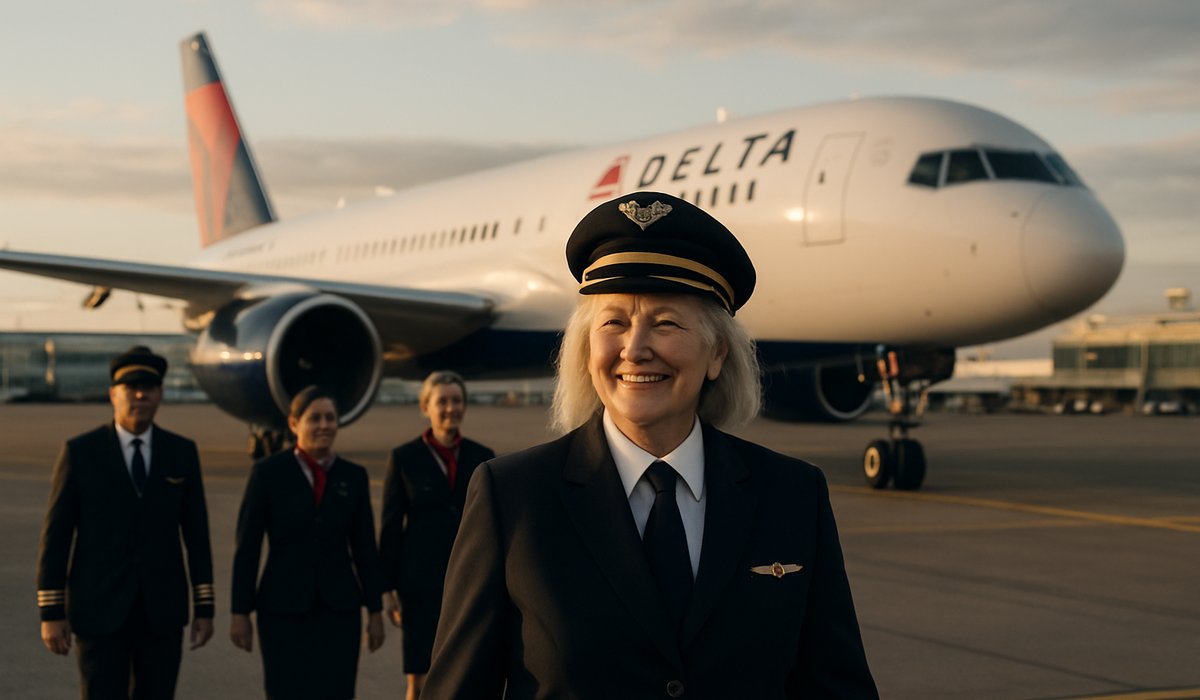
Image generated by AI
Delta Air Lines' Pioneering Female Pilot Retires After 40+ Years in Historic Career Milestone
Captain Karen Ruth's departure marks end of trailblazing era as aviation industry grapples with pilot shortage and workforce diversity challenges
A Four-Decade Legacy Takes Flight Into History
Captain Karen Ruth has officially stepped down from the cockpit after more than 40 years commanding aircraft for Delta Air Lines, marking a significant moment in commercial aviation history. The 65-year-old pilot's final flight concluded what stands as the longest tenure of any female pilot in Delta's operations, a career spanning multiple generations of aircraft and witnessing unprecedented transformation across the aviation sector.
Ruth's retirement underscores a critical juncture for the global airline industry. As senior pilots exit the workforce, carriers face mounting pressure to address a chronic pilot shortage affecting routes and scheduling across North America and Europe. Her departure comes amid broader industry shifts toward workforce diversification and recruitment of underrepresented groups into commercial aviation roles.
Breaking Barriers Across Four Decades
Throughout her tenure with Delta, Ruth navigated a male-dominated profession during periods when female pilots represented less than 5% of the commercial aviation workforce. Her career trajectory reflects not only personal determination but also gradual—though incomplete—progress toward gender parity in airline cockpits worldwide.
The captain's extensive experience encompasses technological evolution that fundamentally reshaped modern aviation. Ruth transitioned through multiple aircraft generations, from analog instrumentation systems to fully digital glass cockpits, witnessing the industry's shift toward automation and advanced avionics.
Industry Implications and Workforce Challenges
Ruth's retirement highlights mounting staffing pressures within major carriers. Delta and competitors including United Airlines and American Airlines have aggressively recruited new pilot classes to replace retiring personnel and expand capacity. The departure of experienced captains like Ruth intensifies competition for training slots and contributes to operational constraints affecting network planning and route expansion.
Her exit also arrives as the aviation sector confronts persistent challenges recruiting and retaining qualified pilots. Pilot fatigue regulations, extended training timelines, and regional airline salary constraints continue depressing supply levels, forcing major carriers to enhance compensation packages and career development opportunities.
A Legacy of Perseverance
While specific statements from Delta Air Lines regarding Ruth's retirement remain limited, her career milestone resonates throughout the industry as a testament to individual persistence in traditionally male-dominated workforces. Her four-decade journey provided visibility and inspiration for subsequent generations of women pursuing aviation careers.
The retirement represents closure on a transformative era, even as the aviation industry confronts evolving challenges around diversity, workforce sustainability, and operational capacity in an increasingly complex global travel environment.
FAQ: Women in Aviation and Pilot Retirements
What percentage of commercial airline pilots are women globally? Women currently represent approximately 5-7% of commercial airline pilots worldwide, though this percentage continues rising gradually as airlines prioritize recruitment and retention initiatives.
How do pilot retirements impact airline operations and ticket prices? Large-scale pilot departures reduce airline capacity, potentially leading to flight cancellations, delayed route expansion, and upward pressure on airfares as carriers compete for limited experienced personnel.
What requirements must pilots meet before retirement? FAA regulations mandate mandatory retirement at age 65 for commercial pilots, though pilots can continue in advisory or training roles beyond this threshold.
Are airlines actively recruiting female pilots to address workforce shortages? Yes, major carriers including Delta, United, and Southwest have launched targeted recruitment campaigns specifically aimed at increasing female pilot representation and addressing systemic pilot shortages.
How has pilot compensation changed in recent years? Regional and major airline pilot salaries have increased substantially since 2020, with first officers now earning $50,000-$80,000 annually and captains commanding $200,000+ annually at major carriers.
Related Travel Guides
Flight Delay Compensation Guide 2026
Understanding Airline Route Changes
Airport Security Process Updated (2026)
External Resources
Disclaimer
This article is for informational and educational purposes only. It does not constitute legal, financial, or professional advice. While we strive to provide accurate and up-to-date information, travel policies, regulations, and conditions change rapidly. Always verify information with official sources before making travel decisions. Nomad Lawyer makes no representations about the accuracy, reliability, completeness, or suitability of the information provided. Readers should consult qualified professionals for advice specific to their circumstances. The views expressed in this article are those of the author and do not necessarily reflect the views of Nomad Lawyer.
Raushan Kumar
Founder & Lead Developer
Full-stack developer with 11+ years of experience and a passionate traveller. Raushan built Nomad Lawyer from the ground up with a vision to create the best travel and law experience on the web.
Learn more about our team →