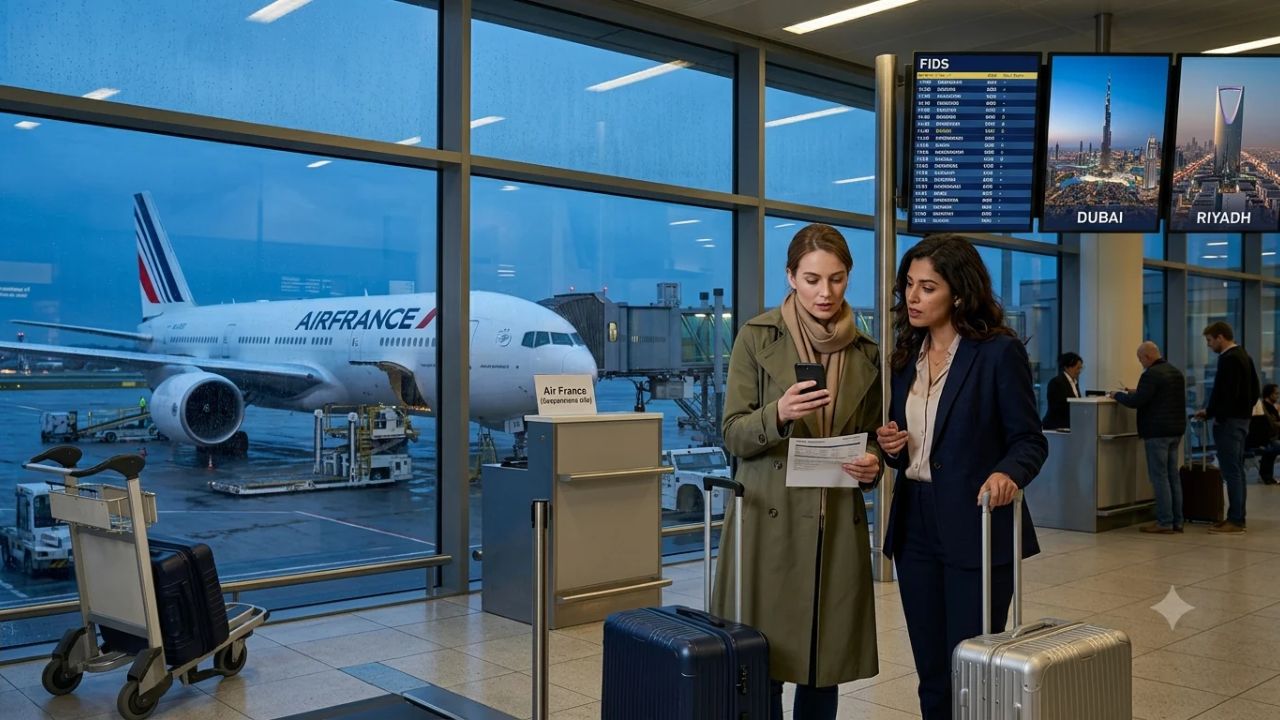
The Politics of Tarmac: How US Airport Names Became Flashpoints for National Identity Battles


Image generated by AI
From Reagan to controversy: Inside America's most contentious airport naming disputes
The nomenclature adorning America's busiest transportation hubs tells a story far more complex than simple geography. Major airports bearing the names of politicians have evolved into unexpected cultural battlegrounds, where questions of legacy, representation, and historical memory collide at jet bridges and security checkpoints. These naming disputes reveal deep fractures in how the nation reconciles its past with its present values.
When Airport Names Become Political Statements
The most prominent example remains Washington D.C.'s Reagan National Airport (DCA), renamed in 1998 following a contentious legislative battle. The facility's transformation from its original designation exemplifies how naming decisions transcend mere administrative procedure, instead functioning as public endorsements of political figures and their legacies.
Airport designations wield outsized symbolic power. These sprawling facilities welcome millions of travelers annually, making them among the most visible public-facing infrastructure in America. When a politician's name adorns a terminal, it effectively immortalizes them within the nation's transportation network—a form of civic consecration that sparks resistance from those who contest the individual's historical record.
The Mechanics of Controversy
The process of renaming major airports typically requires congressional action, transforming technical decisions into high-stakes political negotiations. Stakeholders—including local officials, community groups, historical societies, and partisan factions—mobilize to either defend or challenge proposed designations.
These disputes frequently hinge on competing interpretations of historical significance. Supporters argue that naming rights honor public servants and their contributions to aviation infrastructure and economic development. Critics counter that such gestures can whitewash problematic aspects of a politician's record or elevate figures whose legacies remain contested among the broader public.
Broader Implications for American Infrastructure
Airport naming battles reflect wider cultural debates reshaping American public spaces. Similar contests have engulfed monuments, buildings, and institutions nationwide, raising fundamental questions about which figures deserve public commemoration and whose historical narratives shape civic identity.
The aviation industry itself remains largely insulated from these naming controversies—carriers continue operating regardless of terminal designations. However, the disputes surrounding major hubs underscore how infrastructure decisions carry symbolic weight that extends well beyond operational considerations.
Looking Forward
As America grapples with evolving standards for historical commemoration, airport naming decisions will likely remain lightning rods for broader cultural conversations. Future naming proposals will almost certainly face scrutiny examining not just a politician's official accomplishments, but their complete historical record and contemporary relevance.
FAQ
Q: Which major US airports are named after politicians? A: Reagan National Airport in Washington D.C. remains the most prominent example, though several other major facilities bear names of historical political figures.
Q: How does the airport naming process work in the United States? A: Major airport renaming decisions typically require congressional authorization, transforming what might seem like administrative choices into formal legislative procedures.
Q: Why do airport names become controversial? A: Airport designations serve as public monuments visited by millions annually, making naming decisions statements about which historical figures deserve civic commemoration.
Q: Can airports change their names after initial designation? A: Yes, though renaming requires legislative action and often sparks considerable political debate before implementation.
Q: What impact do naming disputes have on airport operations? A: While controversies generate significant public discourse, they rarely affect the day-to-day operations of airlines, passengers, or airport management.
Related Travel Guides
This article is for informational purposes. Flight routes, passenger regulations, visa rules, and transit advisories are subject to change by airlines and aviation authorities. Readers are advised to verify schedules and travel documentation with relevant carriers and border agencies before departure.
Related Stories

Ultra-Comfortable Budget Flights: How Singapore, Japan, Malaysia, and Spain Are Redefining Long-Haul Low-Cost Air Travel
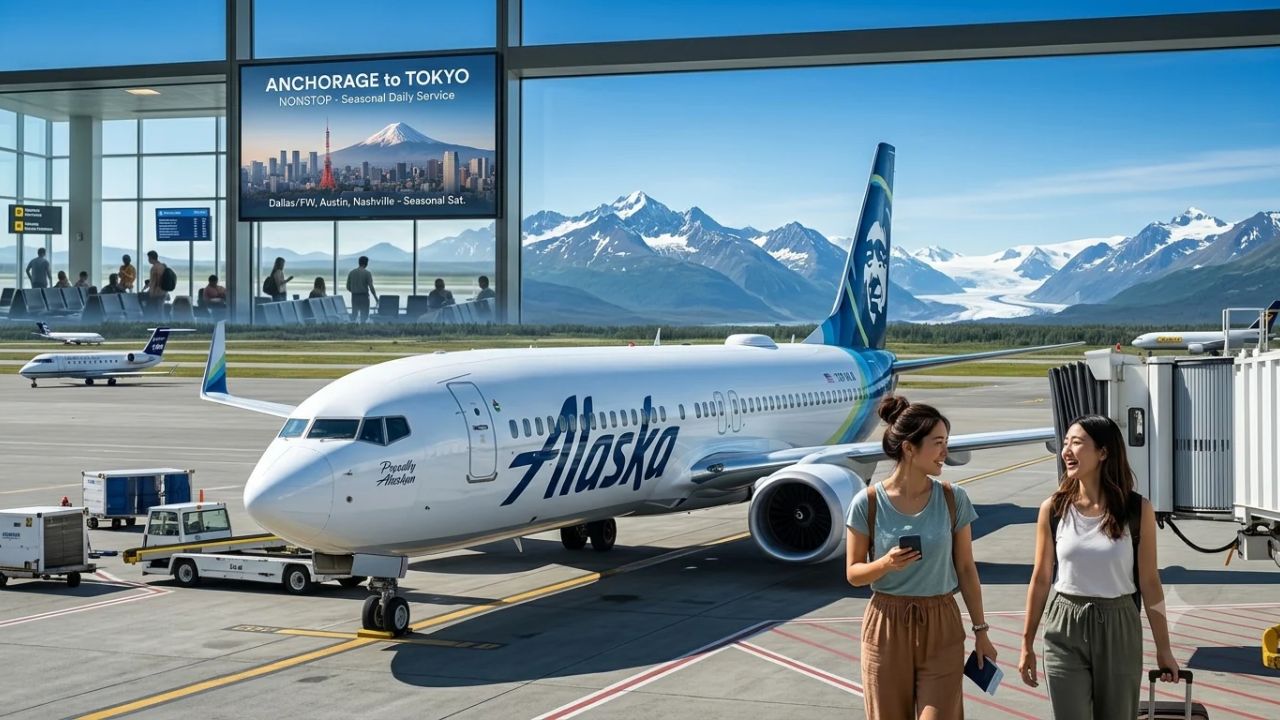
Alaska Airlines Connects Anchorage with Dallas, Austin, and Nashville in Summer 2027 Domestic Network Expansion