
LATAM Airlines Ecuador and Air Canada Cancel 3 Flights at Jorge Chávez International Airport, Disrupting Routes Across Peru, Argentina, Brazil, and North America in June 2026
Flight cancellations at Lima's Jorge Chávez International Airport by LATAM Airlines Ecuador and Air Canada affect thousands of travelers across South America, Brazil, Canada, and the US, with cascading delays reaching 100% at some regional hubs.

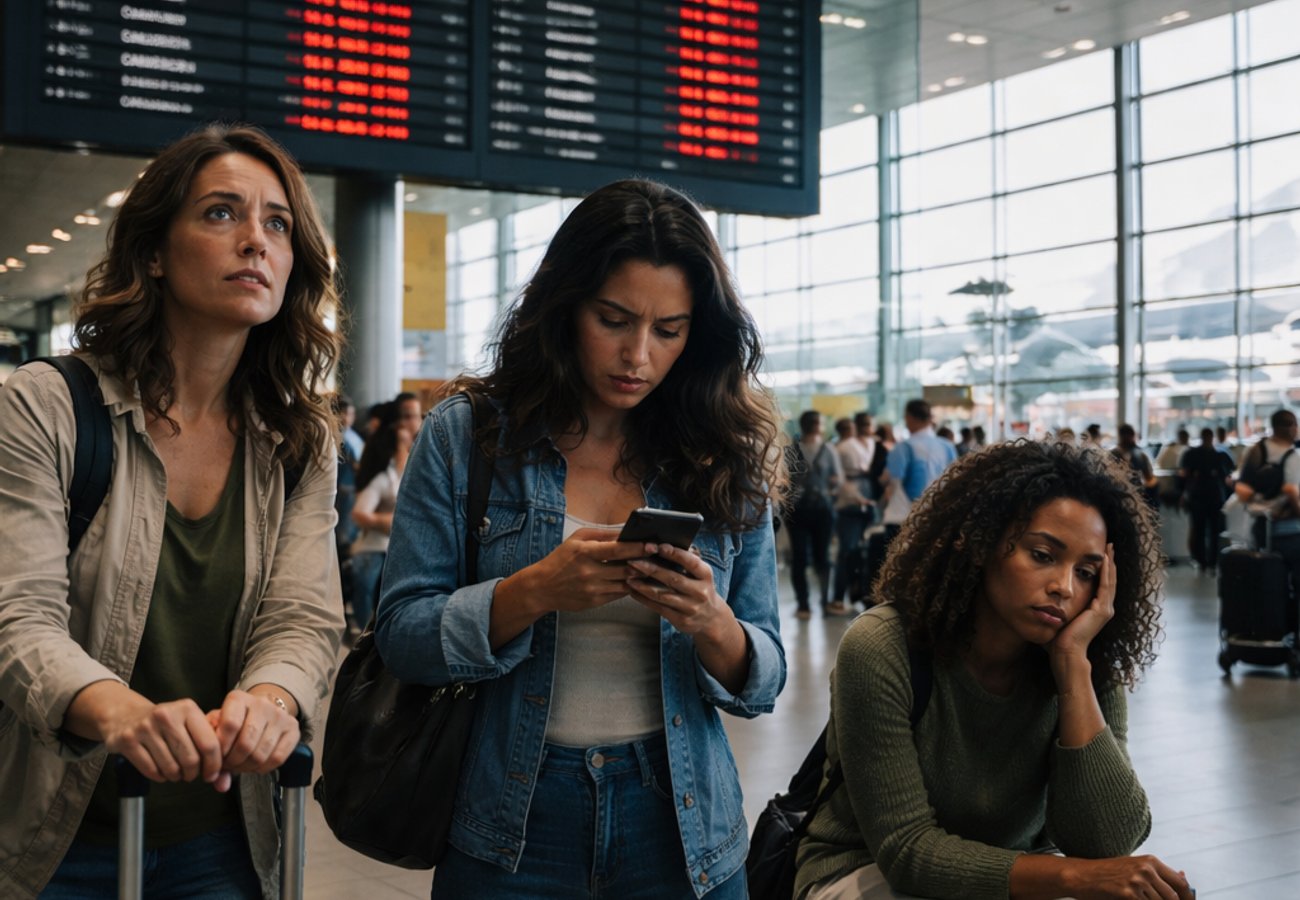
Image generated by AI
Chaos Erupts at Lima's Jorge Chávez International Airport
The travel world faced fresh turbulence on June 7, 2026, when LATAM Airlines Ecuador and Air Canada announced flight cancellations at Jorge Chávez International Airport in Lima, Peru. Three flights were canceled outright, but the real story lies in the ripple effects: cascading delays that touched major routes across Peru, Argentina, Brazil, Canada, the US, and beyond.
What began as a localized operational challenge at one South American hub quickly metastasized into a continental crisis. Thousands of passengers found themselves stranded, rerouted, or forced to endure extended delays that shattered holiday plans, business schedules, and carefully orchestrated itineraries.
Reddit: "Got the cancellation email 2 hours before departure. No answers at the airport, chaos everywhere." — r/travel
The Breakdown: Which Airlines, Which Flights
LATAM Airlines Ecuador bore the brunt of the operational strain, canceling 2 flights—representing a staggering 25% of their scheduled departures from Jorge Chávez that day. Meanwhile, Air Canada pulled the plug on 1 flight, marking 100% of its affected schedule at the airport.
The numbers tell a grim story: while the total cancellations numbered just three flights, the domino effect cascaded through interconnected networks. Regional airports in Peru—including Lima, Huánuco, Tarapoto, Arequipa, Iquitos, and Cusco—reported delays ranging from 2% to a complete halt (100%) depending on operational dependencies.
International connections felt the pain equally. Buenos Aires, Argentina; São Paulo and Brasília, Brazil; Toronto, Canada; and Miami and Los Angeles in the US all experienced secondary delays. European gateways like Madrid, Amsterdam, and Paris absorbed the knock-on effects, as did San José, Costa Rica and various Caribbean destinations.
The Cities That Got Hit Hardest
This wasn't a localized problem. The geographic footprint of the disruption revealed just how interconnected modern aviation has become:
- Peru: Delays rippled through Lima's major and secondary hubs—Cusco, Arequipa, and Iquitos—affecting both domestic and international connections.
- Argentina & Brazil: Buenos Aires, Bogotá, São Paulo, and Brasília faced cascading delays as passengers rerouted or missed connections.
- North America: Toronto, Miami, and Montego Bay experienced interruptions affecting both leisure travelers and business professionals.
- Europe: Madrid, Amsterdam, and Paris absorbed secondary delays as international itineraries unraveled.
- Caribbean: Multiple island destinations faced traveler disruptions as connecting flights shifted.
The widespread nature of the disruption underscores a critical vulnerability in global aviation networks: a handful of cancellations at a major hub can trigger operational chaos across multiple continents within hours.
What Passengers Should Know: Your Rights and Options
If your flight was affected, understanding your rights is critical. Here's what you need to do immediately:
Stay Informed in Real Time
Monitor your email, SMS, and the airline's app obsessively. LATAM Airlines Ecuador and Air Canada typically notify passengers via multiple channels. Visit the airlines' websites for real-time updates—don't rely on airport staff alone, as information cascades unevenly through customer service networks.
Contact Customer Service Strategically
If you're at the airport, head directly to the airline's service desk to avoid phone queue chaos. If you're at home, use the airline's online chat system or mobile app to avoid 2-3 hour hold times. Be prepared with your booking reference, flight number, and itinerary details.
Know Your Compensation Rights
Passenger compensation varies dramatically by jurisdiction. Under EU Regulation 261/2004, passengers are entitled to compensation up to €600 depending on flight distance and circumstances. North American regulations are less passenger-friendly but still offer rebooking options and potential refunds under certain conditions.
Explore Alternative Routes
Ask the airline about the next available flight on their network. If timing doesn't work, consider booking alternative airlines—though expect premium pricing during disruption periods. Budget carriers and regional airlines may offer quicker routing. Evaluate train and bus alternatives if you have time flexibility.
Document Everything
Keep all cancellation notices, rebooking confirmations, and correspondence. Photograph your boarding pass and any official airport signage documenting the disruption. These records become critical if you pursue compensation claims later.
The Bigger Picture: Why This Matters for Travelers
The June 7, 2026 disruption at Jorge Chávez International Airport is symptomatic of a broader fragility in international aviation networks. One major airline's operational failure—whether caused by mechanical issues, crew scheduling conflicts, or weather—can collapse carefully coordinated schedules across thousands of flights.
For travelers, the lesson is brutal: build contingency time into international itineraries, purchase comprehensive travel insurance with flight disruption coverage, and maintain flexibility with bookings during peak travel seasons. The interconnected nature of global aviation means that disruptions at major hubs spread like contagion.
Airlines including LATAM Airlines Ecuador and Air Canada continue to modify schedules based on real-time operational demands. Passengers are strongly advised to maintain flexibility, monitor official airline communications closely, and prepare for the possibility of last-minute adjustments when routing through South American hubs.
The travel industry's resilience depends on transparency, passenger communication, and swift operational coordination—standards that were tested and strained during this June 2026 disruption.
Chaos at major hubs proves that no travel plan is truly locked until wheels leave the tarmac.
Related Travel Guides
Indians Among Stranded: Deadly Hantavirus Outbreak Hits MV Hondius Cruise
Disclaimer
This article is for informational and educational purposes only. It does not constitute legal, financial, or professional advice. While we strive to provide accurate and up-to-date information, travel policies, regulations, and conditions change rapidly. Always verify information with official sources before making travel decisions. Nomad Lawyer makes no representations about the accuracy, reliability, completeness, or suitability of the information provided. Readers should consult qualified professionals for advice specific to their circumstances. The views expressed in this article are those of the author and do not necessarily reflect the views of Nomad Lawyer.
Preeti Gunjan
Contributor & Community Manager
A passionate traveller and community builder. Preeti helps grow the Nomad Lawyer community, fostering engagement and bringing the reader experience to life.
Learn more about our team →