
Lanzarote Ranks Fourth Among Europe's Best Islands for Active Water Sports
Lanzarote is named Europe's fourth best island for water sports in a global study by TUI Musement, highlighted by surfing at Famara and Papagayo kayaking.

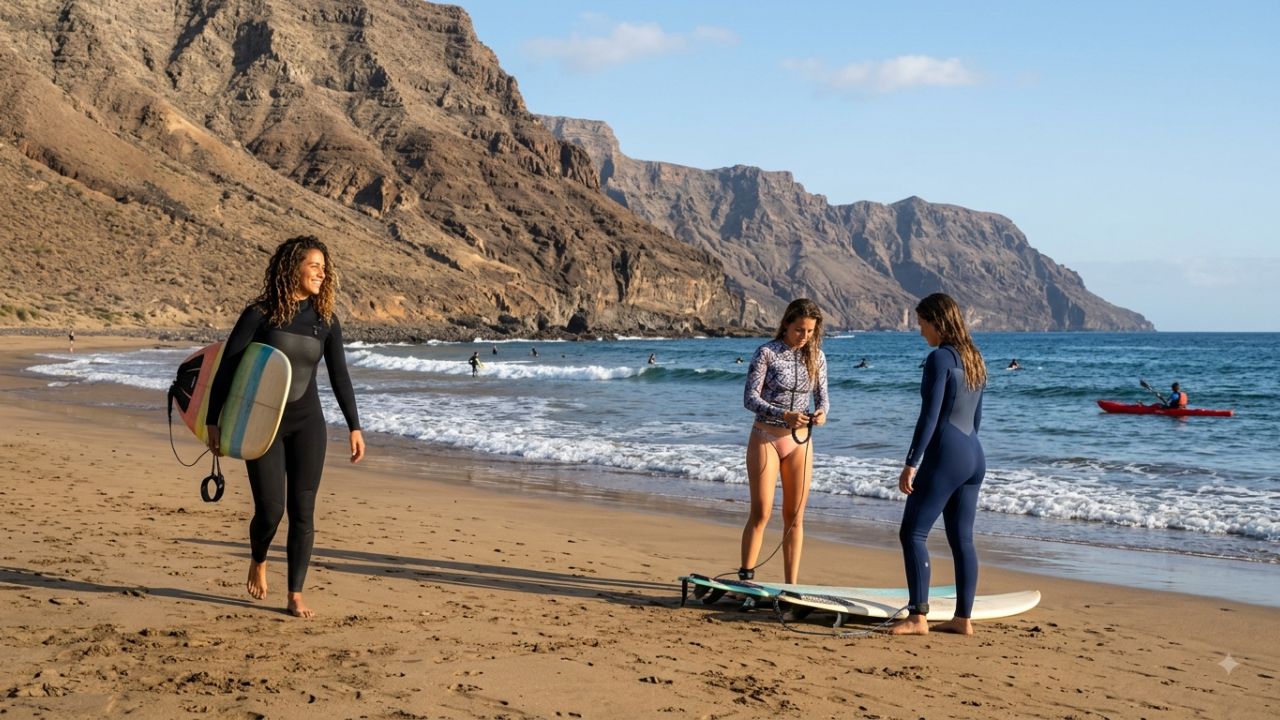
Image generated by AI
Lanzarote has been named Europe's fourth best island for water sports in a comprehensive global active tourism study conducted by TUI Musement, outperforming major destinations like Mallorca, Fuerteventura, and Crete.
The international travel market is shifting toward activity-led travel, with islands that offer structured aquatic experiences leading the trend. The recent study by TUI Musement analyzed online search metrics across 500 European islands to establish a definitive ranking, examining search queries in multiple languages.
Malta claimed the top position on the continental leaderboard, generating over 157,000 online searches driven by historic diving hubs like Ċirkewwa. Tenerife secured the second spot overall, functioning as a primary hub for snorkeling at Bahía de Abades and coastal exploration. The Portuguese island of Madeira claimed third place due to its dramatic volcanic shorelines, which provide opportunities for canyoning and coastering. Lanzarote followed closely in fourth place, successfully outperforming major travel destinations like Mallorca, Fuerteventura (which ranked sixth), and Crete, while Sicily, Ibiza, and Sardinia rounded off the top ten, showcasing the appeal of the Mediterranean and Macaronesian archipelagos.
Lanzarote’s Volcanic Geology and Coastal Highlights
Lanzarote’s high ranking is primarily driven by its unique volcanic geology, which creates distinct wind and wave conditions. For the visitor, the real impact is access to diverse aquatic zones within a compact geographic area. The island was shaped by historic volcanic eruptions, leaving a dark, basaltic coastline that contrasts with the blue ocean waters.
The sweeping stretches of Famara Beach, framed by towering cliffs, provide consistent swells that attract surfers from all over the world. Conversely, the protected southern coast along the Los Ajaches Natural Monument offers calm waters and hidden bays. Kayaking routes along the dramatic cliffs of Papagayo allow adventurers to explore sea caves and volcanic arches, offering a slower, more immersive way to experience the island's coastal heritage. Near these beaches, travelers can also observe the unique agricultural landscape of La Geria, where vines are grown in semi-circular stone pits dug into volcanic ash.
Growth Drivers of the Global Active Tourism Sector
Active sports tourism is experiencing rapid growth as modern travelers choose physical engagement over traditional beach relaxation. According to economic data highlighted in the study, active tourism now accounts for nearly 10 percent of total global travel expenditures.
This market segment is projected to expand by more than 17 percent before the end of the current decade, driven by younger demographics who value health, wellness, and outdoor exploration. Destinations that invest in preserving their marine ecosystems, maintaining safety infrastructure, and providing clear travel guidelines are uniquely positioned to capture this growing international travel spend. Tourism boards are advised to focus on sustainable adventure travel packages that support local communities and protect natural resources, minimizing the environmental footprint of sports enthusiasts.
Canary Islands Prominence in Aquatic Sports
The Canary Islands performed exceptionally well overall in the study, with three separate islands securing top positions within the European top ten ranking. Tenerife led the archipelago in second place due to its vibrant snorkeling spots like Bahía de Abades, while Lanzarote captured fourth place through its combined surf and kayak offerings.
Fuerteventura claimed sixth position overall by capitalizing on its reliable trade winds, which create optimal world-class conditions for windsurfing and kitesurfing along Flag Beach and Sotavento. This collective strong performance underlines the Canary Islands’ dominant reputation as Europe’s primary year-round playground for oceanic activities and adventure travel, drawing thousands of outdoor enthusiasts during the winter months when continental Europe faces freezing temperatures.
Environmental Stewardship and UNESCO Biosphere Conservation
Lanzarote was designated a UNESCO Biosphere Reserve, emphasizing the need to balance tourism growth with environmental preservation. As sports tourism expands, local authorities like Promotur Turismo de Canarias and Turismo Lanzarote are implementing stricter conservation policies.
This includes restricting vehicle access to protected zones, managing visitor capacities at popular beaches, and promoting eco-friendly habits like using biodegradable sunscreens to protect coral reefs. Visitors are encouraged to support the local economy by hiring registered local guides, staying in eco-resilient lodgings, and purchasing artisan goods directly from local markets, ensuring that tourism benefits the community. The Canary Islands government has established the 'Canary Green' initiative, which provides eco-certifications for local businesses that implement energy-efficient systems and waste-reduction policies, helping visitors identify responsible operators.
Destination Expert Insider Tips for Lanzarote Visitors
To help travelers experience the natural wonders, culinary traditions, and cultural heritage of Lanzarote safely and responsibly, local destination specialists recommend the following insider tips:
- Observe Famara Beach Safety Warnings: Famara Beach is famous for surfing, but powerful rip currents make it highly dangerous for casual swimming. You will often see red flags indicating that swimming is prohibited. If caught in a rip current, do not panic or swim directly against it. Instead, swim parallel to the shore until you escape the current's pull, then return to land at an angle.
- Navigate the Los Ajaches Road Safely: The stunning beaches of Papagayo are located within the Los Ajaches Natural Monument. Non-residents must pay a vehicle access fee of €3 per car. The unpaved access road is rocky and bumpy, so check your rental contract to ensure you are covered for driving on non-tarmac roads, or take a water taxi from Playa Blanca instead. Make sure to bring your own shade umbrellas and water, as there are no public facilities or shade trees on these wild volcanic beaches.
- Savor Papas Arrugadas with Mojo: Try the local specialty, Papas Arrugadas—small potatoes boiled in heavily salted water until wrinkled, served with spicy Mojo Rojo (red pepper and garlic sauce) or Mojo Verde (mild coriander sauce). These potatoes are typically served as a starter or side dish in traditional Canary eateries called guachinches.
- Arrive Early at the Teguise Sunday Market: Explore the island's largest artisan market in the historic village of Teguise, open Sundays from 9:00 am to 2:00 pm. Arrive by 9:00 am to secure parking outside the town center and explore the cobbled streets before peak crowds arrive. Don't forget to keep cash on hand, as many small artisan stalls do not accept card payments.
Long-Term Outlook for Sustainable Water Sports Tourism
The long-term outlook for sports tourism in Lanzarote depends on maintaining the delicate balance between visitor growth and environmental preservation. By focusing on low-impact, experience-led travel, the island can protect its volcanic formations, marine reserves, and coastal heritage.
Ongoing investments in green marine transport, solar-powered visitor centers, and eco-labeled surf schools will ensure that Lanzarote remains a premier destination for outdoor enthusiasts. Cooperating with international research bodies helps the island adapt to climate challenges, ensuring that future generations of surfers, kayakers, and divers can continue to explore this unique volcanic playground safely and responsibly. By promoting a slow travel model, the island ensures that tourist revenues directly support conservation programs, preserving this unique Biosphere Reserve for decades to come. Local communities and visitor centers work in coordination with the department of tourism to promote active travel that respects the native landscape and marine habitats, ensuring a sustainable future.
Related Travel Guides
Disclaimer
This article is for informational and educational purposes only. It does not constitute legal, financial, or professional advice. While we strive to provide accurate and up-to-date information, travel policies, regulations, and conditions change rapidly. Always verify information with official sources before making travel decisions. Nomad Lawyer makes no representations about the accuracy, reliability, completeness, or suitability of the information provided. Readers should consult qualified professionals for advice specific to their circumstances. The views expressed in this article are those of the author and do not necessarily reflect the views of Nomad Lawyer.
Kunal K Choudhary
Co-Founder & Contributor
A passionate traveller and tech enthusiast. Kunal contributes to the vision and growth of Nomad Lawyer, bringing fresh perspectives and driving the community forward.
Learn more about our team →