
Lankaran-Astara: Exploring Azerbaijan's Subtropical Tea Coast and Ancient Hyrcanian Forests

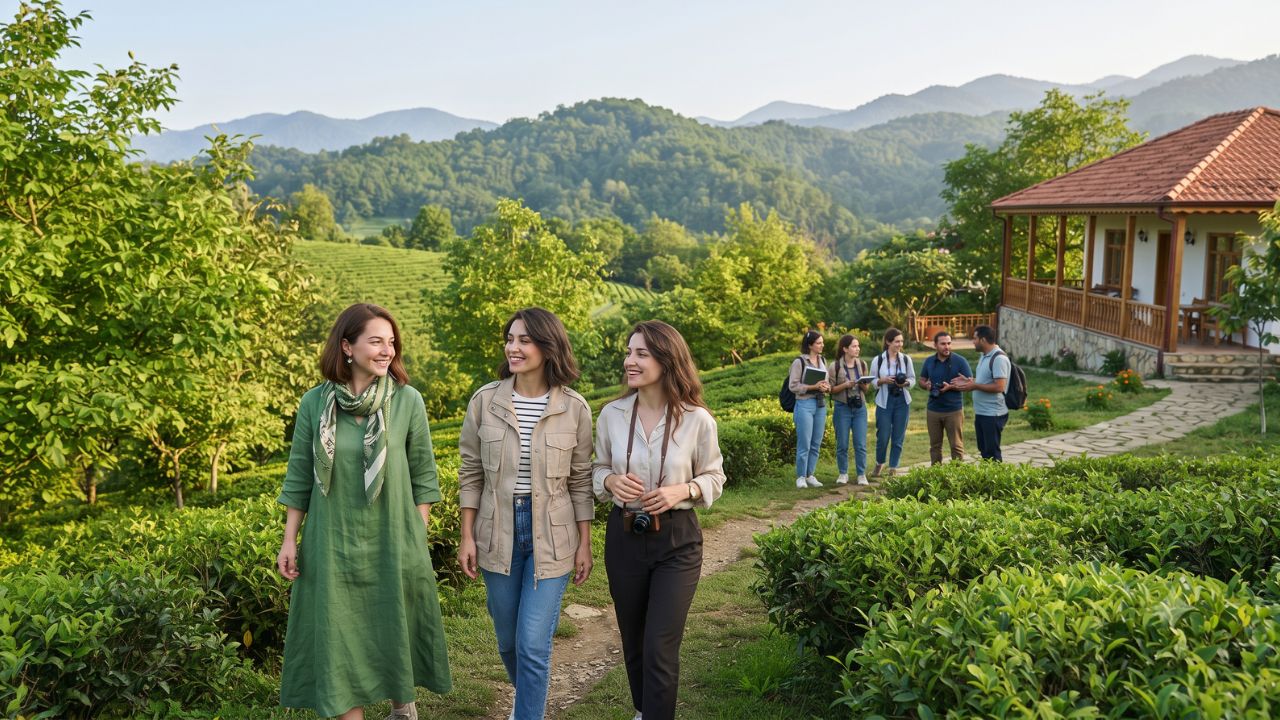
While most international visitors to Azerbaijan rarely step beyond the flame-shaped glass towers and medieval sandstone alleys of Baku, the country's southernmost pocket shelters a humid, tea-growing paradise that survived the last Ice Age. Bordering Iran between the Caspian Sea shoreline and the Talysh Mountains, the Lankaran-Astara territory produces nearly all of Azerbaijan’s citrus and black tea, shaded beneath prehistoric ironwood trees that have flourished undisturbed for two million years. To pull travelers off the standard Absheron Peninsula tourist loop, the Azerbaijan Tourism Board led an intensive two-day industry expedition on 8–9 October 2026, mobilizing 50 national travel specialists to evaluate the region's expanding eco-lodges, thermal springs, and mountain circuits.
Azerbaijan Tourism Board Spearheads Lankaran-Astara Expansion
The initiative organized by the Azerbaijan Tourism Board marks a coordinated shift in national tourism strategy. Over the course of the 8–9 October 2026 familiarisation tour, 50 leading tour operators, itinerary planners, and hospitality executives traversed the regional corridor connecting Lankaran and Astara. The mission focused on assessing practical accommodation capacity, regional transportation links, and guided nature experiences, laying the operational groundwork for multi-day itineraries designed for independent international travelers.
Historically, Azerbaijan’s regional leisure sector focused heavily on northern ski and mountain hubs like Shahdag and Gabala. However, state authorities are actively expanding promotion into lesser-known territories. By hosting travel professionals on the ground, tourism officials evaluated guest houses, boutique coastal resorts, and leisure attractions across the subtropical south. Following the Lankaran-Astara initiative, tourism authorities have confirmed plans to roll out similar familiarisation tours across additional emerging districts, building interconnected travel routes that highlight regional gastronomy, biodiversity, and community-led hospitality.
What Sets Lankaran-Astara Apart from the Rest of the Caucasus
Lankaran-Astara presents a striking microclimate found nowhere else in the Caucasus. Sheltered by the crescent arc of the Talysh Range, the region receives abundant rainfall, fostering lush greenery, rice paddies, citrus groves, and emerald tea plantations. The culture here is deeply intertwined with the heritage of the Talysh people, an indigenous ethnic group known for distinctive linguistic roots, exceptional culinary artistry, and time-honored customs of hospitality.
Rather than the arid steppes that define central Azerbaijan, travelers entering Lankaran encounter roads lined with persimmon, feijoa, and mandarin orchards. Along the foothills, natural thermal mineral springs—known locally as istisu—flow from subterranean fractures, drawing wellness seekers to therapeutic sulfur baths that have functioned for generations.
| Regional Attraction & Hub | Geographic Character | Core Visitor Experience | Recommended Time Commitment |
|---|---|---|---|
| Hirkan National Park | Prehistoric temperate rainforest in the Talysh foothills | Hiking trails beneath relict ironwood trees, wildlife tracking, and birdwatching. | Full Day (6–8 Hours) |
| Lankaran Tea Plantations | Terraced hillsides surrounding Haftoni and city outskirts | Guided leaf-plucking tours, tea factory visits, and samovar tastings in open pavilions. | Half Day (3–4 Hours) |
| Istisu Thermal Springs | Natural mineral springs flowing through forested ravines | Traditional private sulfur bath cabins for therapeutic hydrotherapy and relaxation. | 2–3 Hours |
| Astara Caspian Sea Promenade | Coastal parkway bordering the Iranian frontier | Sunset strolls, fresh sturgeon dining, and borderland cultural observation. | Half Day (3–5 Hours) |
| Talysh Highland Villages | High-altitude mountain hamlets above the cloud line | Homestays, craft workshops, mountain bread-baking, and guided ridge trekking. | 1–2 Days Overnight |
The geographical gateway extends all the way to the border post in Astara, where the Caspian coast merges into steep mountain paths. This proximity to Iran gives the area an open-air marketplace tradition where dried herbs, mountain honey, hand-knotted kilims, and copper samovars fill family-run bazaars.
Visitor Insider Tips: Exploring the Subtropical South
- Pair Your Morning Tea with Feijoa Preserve: Lankaran is the spiritual home of Azerbaijani tea culture. When ordering a pot of fragrant black tea brewed in a wood-fired samovar, skip processed sugar. Drink from a pear-shaped armudu glass and sweeten each sip with spoonfuls of house-made green feijoa, bitter orange, or wild walnut jam.
- Seek Out Authentic Talysh Lavangi: The culinary crown jewel of Lankaran is lavangi—carp, sturgeon, or whole spring chicken stuffed with an intensely flavorful paste of crushed walnuts, grated red onions, and sour wild plum purée (albukhar), slow-baked in an earthen tandir oven. The finest versions are found at small roadside family eateries in the villages of Haftoni and Girdani rather than large highway roadhouses.
- Hire an Accredited Ranger for Forest Trekking: Hirkan National Park contains dense, trail-less mountain terrain. Always arrange an official park guide at the administrative entrance near Khanbulan Reservoir. Guides not only navigate overgrown ridge paths safely but also identify rare flora like the Persian ironwood (Parrotia persica) and Chestnut-leaved oak.
- Take the Modern Baku–Lankaran Highway or Rail: Reaching the south is faster than ever. The renovated M3 highway allows travelers to complete the 270-kilometer drive from Baku in roughly three hours. Alternatively, travelers can take the comfortable passenger train service departing Baku Central Station, allowing scenic coastal viewing along the Caspian shore.
- Respect Mountain Household Customs: When invited into a village home in the Talysh highlands, remove your shoes at the entrance, accept offered tea with your right hand, and dress modestly by keeping shoulders and knees covered when walking through village centers.
Cultural and Environmental Context: Ancient Ecology and Living Traditions
The primary ecological jewel of the south is the vast temperate wilderness preserved across Hirkan National Park. In July 2023, these primeval woodlands were formally inscribed on the UNESCO World Heritage List as part of the cross-border Hyrcanian Forests through the UNESCO World Heritage Centre. Because this mountain pocket escaped glaciation during the Quaternary Ice Age, it preserves an ancient ecosystem of deciduous hardwood trees, wild boars, lynx, and the critically endangered Caucasian leopard, monitored closely by the Ministry of Ecology and Natural Resources.
Tourism development in Lankaran-Astara operates alongside serious environmental preservation goals. Expansion plans highlighted during the October familiarisation tour prioritize low-impact rural tourism over heavy concrete resort development. Community-based tourism cooperatives in highland villages provide rural farming families with direct revenue from eco-guiding, handicraft sales, and organic citrus farming. By encouraging international travelers to stay in family-run guesthouses, the initiative creates economic incentives to halt illegal forest clearing and protect endangered wildlife habitats.
FAQ: Visiting Lankaran-Astara in 2026–2027
What is the best season to explore Lankaran and Astara?
Autumn (September through November) is ideal, offering comfortable temperatures, citrus harvesting, tea plucking, and vibrant golden foliage across the mountain forests. Spring (April to June) offers lush wildflower blooms.
Do foreign visitors need a visa to enter Azerbaijan?
Most foreign nationals can obtain an electronic tourist visa through the official ASAN Visa portal within three business days, permitting a single entry stay of up to 30 days.
How do travelers get from Baku to Lankaran?
Travelers can drive via the modern M3 highway in approximately three hours, take daily express intercity trains from Baku Central Railway Station, or book private vehicle transfers directly through Baku hotels.
Is Lankaran safe for solo and independent travelers?
Yes. The region maintains low crime rates and a welcoming culture of hospitality. Knowing basic Azerbaijani or Russian phrases helps when navigating rural mountain transit and local markets.
Where the morning mist lifts from emerald tea hills to reveal ancient mountain canopies, southern Azerbaijan offers an authentic sanctuary far removed from the modern world.
Related Travel Guides
Disclaimer
This article is for informational and educational purposes only. It does not constitute legal, financial, or professional advice. While we strive to provide accurate and up-to-date information, travel policies, regulations, and conditions change rapidly. Always verify information with official sources before making travel decisions. Nomad Lawyer makes no representations about the accuracy, reliability, completeness, or suitability of the information provided. Readers should consult qualified professionals for advice specific to their circumstances. The views expressed in this article are those of the author and do not necessarily reflect the views of Nomad Lawyer.
Raushan Kumar
Founder & Lead Developer
Full-stack developer with 11+ years of experience and a passionate traveller. Raushan built Nomad Lawyer from the ground up with a vision to create the best travel and law experience on the web.
Learn more about our team →