
Lanka travel rebounds with ancient capitals driving 2026 tourism recovery
Sri Lanka's compact geography anchors a tourism resurgence in 2026, with UNESCO-listed ancient capitals and cultural heritage sites leading visitor recovery across the island's diverse itineraries.

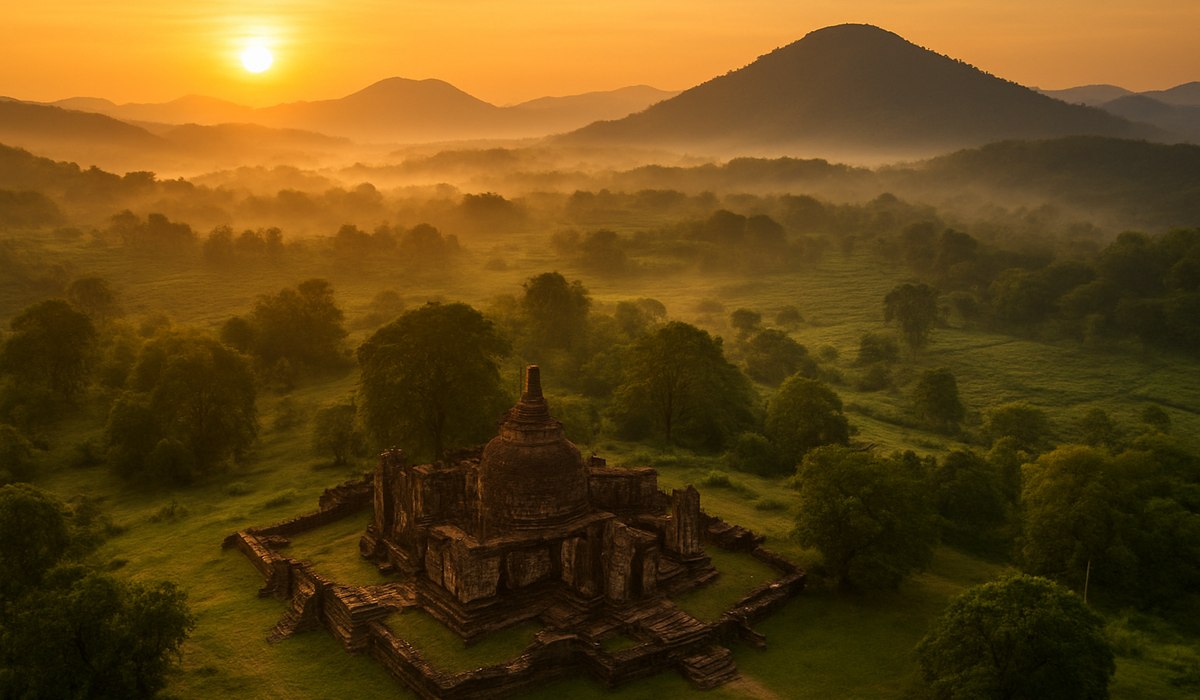
Image generated by AI
Sri Lanka's Cultural Renaissance Fuels 2026 Tourism Comeback
Sri Lanka's tourism sector is staging a dramatic recovery in 2026, anchored by revitalized interest in the island's Cultural Triangle and strategic repositioning of ancient heritage sites as gateways to multi-experience itineraries. Visitor numbers are climbing steadily as travelers increasingly combine archaeological exploration, wildlife encounters, and coastal retreats within a single compact journey. The shift reflects a broader industry realization that Lanka travel rebounds most effectively when destinations link history, nature, and authentic experiences across complementary regions.
The island's geography delivers what few Asian destinations can match: two-millennia-old royal capitals, pristine wildlife reserves, misty tea plantations, and tranquil beach villages within driving distances of hours rather than days. This convergence is reshaping how ground operators, travel agencies, and tourism boards position Sri Lanka to international markets.
Cultural Triangle Anchors Tourism Recovery
The Cultural Triangle—stretching between Anuradhapura, Polonnaruwa, Sigiriya, and Dambulla—has emerged as the cornerstone of Sri Lanka's tourism renaissance. Recent data from the Sri Lanka Tourism Development Authority confirms that heritage sites across this region rank consistently among the country's most-visited attractions, with visitor flows recovering faster than any other sector.
Anuradhapura, one of the world's oldest continuously inhabited cities, remains a focal point for travelers seeking deep historical immersion. Visitors navigate sprawling archaeological reserves on foot and by bicycle, moving between monumental stupas, ancient reservoirs, and sprawling monastic complexes that date back over 2,300 years. The site's scale and spiritual significance continue to draw both cultural enthusiasts and pilgrims from across South Asia.
Polonnaruwa showcases pre-modern engineering mastery through its carefully preserved palace ruins, stone temples, and intricately carved moonstones lining the shores of man-made lakes. These water management systems remain functional reminders of how medieval kingdoms shaped their landscape—a narrative that increasingly resonates with sustainability-conscious travelers seeking evidence of historical environmental stewardship.
Sigiriya, the iconic 5th-century rock fortress, serves as the visual symbol of Sri Lanka's heritage offer. The site's painted stairways, terraced gardens, and panoramic vistas make it unmissable on any ancient capitals itinerary. Current visitor data shows particular demand for sunrise and late-afternoon entry slots as travelers strategically avoid midday heat and crowding while ascending the 200-meter rock formation.
Dambulla's cave temples, adorned with centuries of Buddhist art and sculpture, complete a circuit that allows visitors to experience more than two millennia of royal and religious history within days. Learn more about Buddhist heritage at UNESCO World Heritage Centre.
Travel planners increasingly position these four anchors not as isolated destinations but as launching points for broader itineraries that fold in wildlife parks, tea country rail journeys, and coastal experiences. This integrated approach drives longer stays and higher per-visitor spending across multiple regions.
Ancient Cities Drive Heritage Tourism Rebound
The rebound in ancient site visitation reflects several converging factors. First, long-haul visitors from Europe, North America, and Australia view Sri Lanka's cultural heartland as an accessible alternative to overcrowded sites in Cambodia, India, and Thailand. Second, regional travelers from India, Bangladesh, and Southeast Asia increasingly recognize the Cultural Triangle as a spiritual and educational destination comparable to major pilgrimage circuits on the Indian subcontinent.
Ground operators report strong demand for guided circuits combining archaeological expertise with logistical efficiency. Multi-day Cultural Triangle packages—typically spanning 4–6 days—now account for a significant share of tour operator itineraries. These offerings frequently incorporate expert guides who contextualize each site within broader narratives of Buddhist civilization, hydraulic engineering, and royal patronage.
A notable trend involves smaller groups seeking deeper engagement with specific sites rather than cursory visits. This shift has spawned specialist tour companies offering extended stays at single locations, photography-focused visits capturing dawn light on ancient stone, and academic partnerships connecting university groups with on-site scholars.
Additionally, improved accommodation infrastructure around heritage sites—including luxury eco-lodges and mid-range heritage hotels—has reduced the logistical friction of accessing remote archaeological zones. Visitors no longer must base themselves in distant cities; many now lodge within walking distance of major sites. Discover more about heritage travel planning at World Travel & Tourism Council.
Strategic Itinerary Planning: From Ruins to Beaches
The most dynamic shift in Sri Lanka's tourism recovery involves itinerary design that weaves heritage, nature, and coastal experiences into seamless multi-week journeys. This approach reflects traveler preferences for variety and authenticity rather than resort-based relaxation alone.
A typical enhanced itinerary might begin with 4–5 days in the Cultural Triangle, transitioning into 2–3 days of wildlife safaris in national parks like Minneriya or Udawalawe, then concluding with 4–5 days on the southern coast—from Mirissa to Unawatuna—where travelers enjoy calm beaches, water sports, and village-based experiences.
This sequencing delivers multiple benefits. Cultural fatigue diminishes when archaeological sites alternate with nature immersion. Wildlife safaris inject active exploration and educational content between passive sightseeing. Coastal periods provide recovery time, beach swimming, and interaction with fishing communities and local food culture.
Ground operators report that mixed-itinerary bookings command premium pricing, as they require greater logistical coordination and specialized guides across multiple sectors. However, traveler satisfaction scores and repeat visitation rates justify the complexity. Visitors increasingly value destinations that challenge them intellectually while delivering relaxation and natural beauty.
The COVID-era shift toward remote work has also expanded the market for extended stays. Digital nomads and "workation" travelers now spend 3–6 weeks in Sri Lanka, allowing time for depth across multiple regions rather than rushed sampling. This demographic gravitates toward the connectivity of beach towns while dedicating specific weeks to cultural immersion and wildlife expeditions.
Visitor Trends and Seasonal Demand Patterns
| Metric | 2025 Recovery | 2026 Projection | Key Driver |
|---|---|---|---|
| Cultural Triangle arrivals | +28% YoY | +18–22% YoY | Heritage repositioning; improved guides |
| Wildlife safari bookings | +35% YoY | +24–28% YoY | Sustainability messaging; new operators |
| Multi-region itineraries | +42% YoY | +30–35% YoY | Integrated travel planning; logistics |
| Average visitor stay | 8–10 days | 10–13 days | Extended itineraries; remote work |
| Accommodation spend | $65–85/night | $75–95/night | Premium mid-range growth |
| Shoulder season (Apr–May, Sep–Oct) | +52% YoY | +38–45% YoY | Climate awareness; crowd avoidance |
| Regional visitor share (India/Bangladesh) | 22% of total | 26–28% of total | Pilgrimage appeal; proximity |
The data reveals that Lanka travel rebounds most robustly during shoulder seasons when weather balances accessibility with fewer crowds. April–May and September–October now account for a growing share of annual visitation, reversing the traditional December–February peak concentration.
This temporal shift has important implications for site management. Archaeological reserves once overwhelmed by January holiday crowds now experience more even distribution throughout the year, reducing strain on infrastructure and improving visitor experience quality. Similarly, wildlife parks benefit from less intense vehicle pressure during off-peak months, supporting habitat conservation goals.
International visitors increasingly exhibit destination knowledge before arrival—researching specific sites, reading archaeological literature, and booking specialist guides in advance. This contrasts with earlier patterns when visitors relied on hotel concierge recommendations or generic package tours. The sophistication of pre-trip planning
Disclaimer
This article is for informational and educational purposes only. It does not constitute legal, financial, or professional advice. While we strive to provide accurate and up-to-date information, travel policies, regulations, and conditions change rapidly. Always verify information with official sources before making travel decisions. Nomad Lawyer makes no representations about the accuracy, reliability, completeness, or suitability of the information provided. Readers should consult qualified professionals for advice specific to their circumstances. The views expressed in this article are those of the author and do not necessarily reflect the views of Nomad Lawyer.
Raushan Kumar
Founder & Lead Developer
Full-stack developer with 11+ years of experience and a passionate traveller. Raushan built Nomad Lawyer from the ground up with a vision to create the best travel and law experience on the web.
Learn more about our team →