
Brazil Leads Venezuela, Colombia, Peru and Ecuador Into Regenerative Tourism in Latin America Revolution, Launching Local Eco-Experiences in La Guaira: What Every Traveller Must Know
Brazil, Venezuela, Colombia, Peru, and Ecuador are transforming travel through community-led regenerative tourism in Latin America, starting with La Guaira.

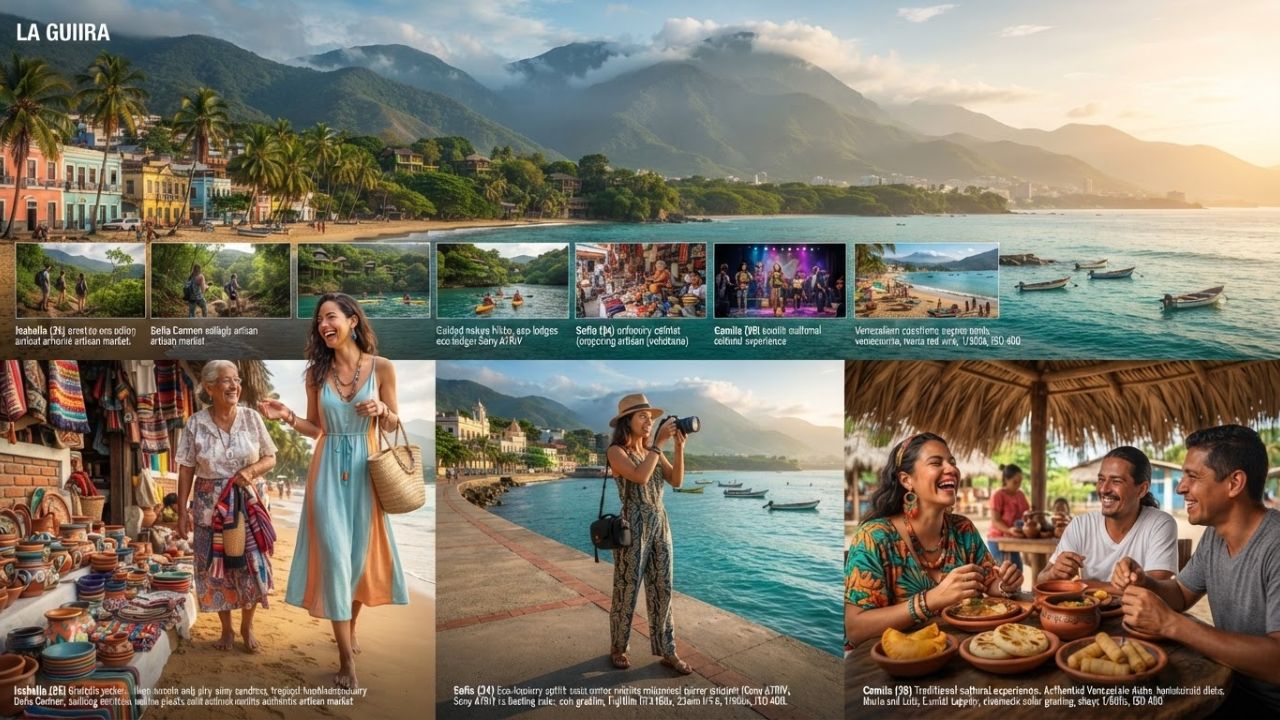
Image generated by AI
Published on July 18, 2026
A major transformation is unfolding across South America as Brazil, Venezuela, Colombia, Peru, and Ecuador join forces to pioneer the development of regenerative tourism in Latin America. Under this collaborative shift, the historic coastal gateway of La Guaira in Venezuela is spearheading a new era of community-focused travel, prioritizing long-term recovery, cultural preservation, and environmental conservation. Global travelers are urged to explore these emerging eco-experiences, which move beyond standard sustainability to actively restore local ecosystems and directly empower resident populations.
Quick Summary
- Regional Eco-Revolution: Five South American nations are reshaping the travel landscape by replacing traditional mass tourism with restorative, community-led programs.
- Focus on La Guaira: Venezuela's primary Caribbean gateway is implementing local gastronomy, heritage, and coastal tours that keep tourism revenues within the community.
- Diverse Regional Inspiration: Brazil’s vast biodiversity, Colombia's citizen-led planning, Peru’s historical preservation, and Ecuador’s island conservation provide the framework for the initiative.
- Restorative Goals: The primary objective of the movement is to leave destinations in a better state than they were found, reversing environmental and economic degradation.
- Call for Travelers: Visitors are encouraged to transition from passive consumers to active participants in regional conservation and local economic growth.
The Dawn of Regenerative Tourism in Latin America: Context and Background
The global travel sector is undergoing a profound paradigm shift, transitioning from conventional visitor volume targets toward models that actively repair and revitalize destinations. In this context, regenerative tourism in Latin America has emerged as a vital strategy for long-term economic and environmental resilience. By focusing on rebuilding local resources rather than merely sustaining them, regional authorities aim to ensure that tourism acts as a catalyst for environmental restoration and social equity.
For Venezuela, this movement centers on the historic municipality of La Guaira, a vital Caribbean gateway situated near the capital city of Caracas. Known for its historic colonial districts, accessible beaches, and proximity to the nation’s main international airport, La Guaira is ideally positioned to pilot Venezuela's new tourism recovery plan. Rather than seeking rapid arrivals growth, local stakeholders are working to establish a system where visitor spending directly funds community infrastructure and ecological protection.
Event and Incident Details: La Guaira Joins Regenerative Tourism in Latin America Movement
Officially launched as a coordinated regional initiative on July 18, 2026, the new regenerative program in La Guaira integrates community-led travel experiences with strict environmental safeguards. Travel agencies and local cooperatives are shifting away from isolated resort models, instead offering immersive cultural routes, traditional gastronomy tours, coastal maritime activities, and direct exchanges with local entrepreneurs. By keeping operations localized, the program guarantees that financial benefits flow directly to small family businesses and neighborhood-level projects.
To illustrate the diverse strategies driving this regional shift, the table below highlights how each country is contributing to the evolution of regenerative tourism in Latin America:
| Country | Core Regenerative Focus | Key Natural & Cultural Assets Involved | Community & Economic Strategy |
|---|---|---|---|
| Brazil | Nature-based tourism & biodiversity conservation | Amazon Rainforest, Atlantic Forest, wetlands, coastline | Incorporating indigenous knowledge; distributing revenues to rural producers and guides. |
| Venezuela | Caribbean coastal renewal & heritage recovery | La Guaira historic corridor, beaches, Caracas gateway | Directing visitor spending to community-led initiatives and coastal entrepreneurs. |
| Colombia | Community empowerment & local participation | Cartagena heritage, coffee region, Andes foothills | Integrating local farmers, guides, and traditional artisans into regional planning. |
| Peru | Cultural preservation & heritage protection | Machu Picchu, Andes Mountains, ancient archaeological sites | Fostering respect for ancestral traditions and supporting indigenous mountain communities. |
| Ecuador | Conservation-focused travel & biodiversity | Galápagos Islands, Andes, Amazon basin | Using visitor entry fees to fund delicate ecosystem restoration and protection programs. |
Risk and Impact: Balancing Environmental Safeguards and Local Travel Growth
While the transition to a restorative travel model offers significant benefits, failing to manage the flow of visitors presents several critical risks:
- Ecosystem Strain: Unregulated foot traffic on coastal paths and beaches can accelerate soil erosion and disrupt delicate marine habitats along the Caribbean.
- Economic Leakage: If travel bookings remain dominated by multinational corporations, regional communities risk losing vital revenue needed for local restoration.
- Cultural Commodification: Increased exposure to global tourism must be managed carefully to prevent the dilution of authentic Venezuelan traditions and local heritage.
- Infrastructure Pressures: Inadequate waste management and water systems in remote coastal villages could suffer under sudden influxes of tourists.
What Authorities Are Saying: Empowering Citizens and Protecting Natural Ecosystems
Government bodies and conservation planners across South America stress that the success of the regenerative movement depends entirely on active local governance. According to regional guidelines aligned with UN Tourism (UNWTO) standards, travel must be planned from the ground up, ensuring residents retain ownership of their cultural and natural assets.
In Venezuela, tourism coordinators emphasize that collaboration between private agencies, municipal authorities, and community councils is essential. Planners are focusing on creating green infrastructure, establishing carrying capacities for sensitive coastal zones, and training residents in sustainable hospitality management. The goal is to build a self-sustaining economy where conservation is funded by responsible travel.
Practical Traveler Advice: How to Support Community-Led Recovery Safely
Travelers planning to visit La Guaira and the wider South American region can support these regenerative goals by following these practical guidelines:
- Hire Local Guides: Choose community-based coordinators and independent local guides to ensure your money stays in the local economy.
- Support Micro-Entrepreneurs: Purchase food, crafts, and lodging directly from family-run guesthouses, neighborhood eateries, and artisan workshops.
- Respect Cultural Heritage: Take time to understand local traditions, follow community rules, and engage respectfully with regional historical sites.
- Practice Low-Impact Travel: Reduce waste, avoid single-use plastics, and respect environmental guidelines when visiting sensitive beaches or forest reserves.
- Engage in Restoration: Look for travel packages that offer opportunities to participate in beach cleanups, reforestation, or community building.
Broader Context: A Unified South American Shift Toward Conservation-First Travel
The initiative in La Guaira does not exist in isolation; it is heavily inspired by successful programs across the continent. Brazil, the largest country in South America, has set a strong precedent by using its massive biodiversity—including the Amazon and the Atlantic Forest—to develop nature-based tourism. According to Embratur, Brazil’s official tourism board, incorporating indigenous expertise has successfully protected critical ecosystems while delivering stable incomes to remote forest communities.
Similarly, Colombia has utilized its cultural diversity in areas like Cartagena and the coffee region to empower local farmers and guides, proving that tourism can strengthen regional identities. In Peru, heritage preservation remains the core focus, teaching travelers to value and protect the communities surrounding historic sites like Machu Picchu. Meanwhile, Ecuador has demonstrated how strict conservation laws, particularly in the Galápagos Islands, can successfully protect unique ecosystems while funding national research and preservation.
What to Expect Next / Looking Ahead
Moving forward, tourism boards in Venezuela plan to expand the La Guaira model to other coastal and inland destinations. Local authorities are scheduled to invest in solar-powered public transit, improved wastewater treatment facilities, and community training centers. Additionally, regional travel networks will continue to share best practices, establishing a unified South American framework for sustainable visitor management.
As travelers increasingly seek deeper connections and environmentally responsible choices, destinations prioritizing restoration will likely see sustained demand. The long-term success of this shift will rely on the continued cooperation of travelers, communities, and government regulators to ensure that tourism leaves a lasting, positive footprint.
Conclusion: A Resilient Path Forward for Latin American Travel
The rise of regenerative tourism in Latin America represents a vital step toward a more sustainable and equitable travel industry. By placing local communities and environmental conservation at the heart of its development, La Guaira is establishing a model that other coastal destinations can follow. Through shared learning from Brazil, Colombia, Peru, and Ecuador, Venezuela is proving that tourism can do more than attract visitors—it can restore landscapes, empower citizens, and protect cultural treasures for generations to come.
FAQ: Regenerative Tourism in Latin America (2026)
What makes regenerative tourism different from sustainable tourism?
While sustainable tourism aims to minimize negative environmental impacts, regenerative tourism goes further by actively restoring, rebuilding, and improving the natural resources and social systems of a destination.
Where is the primary focus of Venezuela’s new regenerative travel initiative?
The initiative is centered in the historic Caribbean gateway of La Guaira, which is located close to the capital city of Caracas and the country's primary international airport.
How does community-led travel benefit local residents in La Guaira?
By focusing on cultural routes, traditional food, and local entrepreneurship, the program ensures that tourism revenue is distributed directly to family businesses, guides, and neighborhood projects.
What can travelers do to participate in regenerative tourism?
Travelers can support the movement by staying in local guesthouses, hiring independent guides, buying directly from regional artisans, and respecting the environmental guidelines of protected coastal zones.
How are other South American nations supporting this travel shift?
Brazil leads with nature-based conservation, Colombia focuses on community-driven tourism, Peru prioritizes historic heritage protection, and Ecuador champions biodiversity preservation.
Related Travel Guides
The 10 Best Regenerative Travel Spots in Latin America, According to Reddit
Disclaimer
This article is for informational and educational purposes only. It does not constitute legal, financial, or professional advice. While we strive to provide accurate and up-to-date information, travel policies, regulations, and conditions change rapidly. Always verify information with official sources before making travel decisions. Nomad Lawyer makes no representations about the accuracy, reliability, completeness, or suitability of the information provided. Readers should consult qualified professionals for advice specific to their circumstances. The views expressed in this article are those of the author and do not necessarily reflect the views of Nomad Lawyer.
Kunal K Choudhary
Co-Founder & Contributor
A passionate traveller and tech enthusiast. Kunal contributes to the vision and growth of Nomad Lawyer, bringing fresh perspectives and driving the community forward.
Learn more about our team →