
Albania Joins Emerging Wave of Europe's Hidden Heritage Destinations Unveiling Affordable UNESCO Wonders: New Travel Alert
Albania, Poland, Montenegro, Romania, Portugal, Bulgaria, Serbia, and Estonia emerge as affordable hidden heritage destinations in Europe.

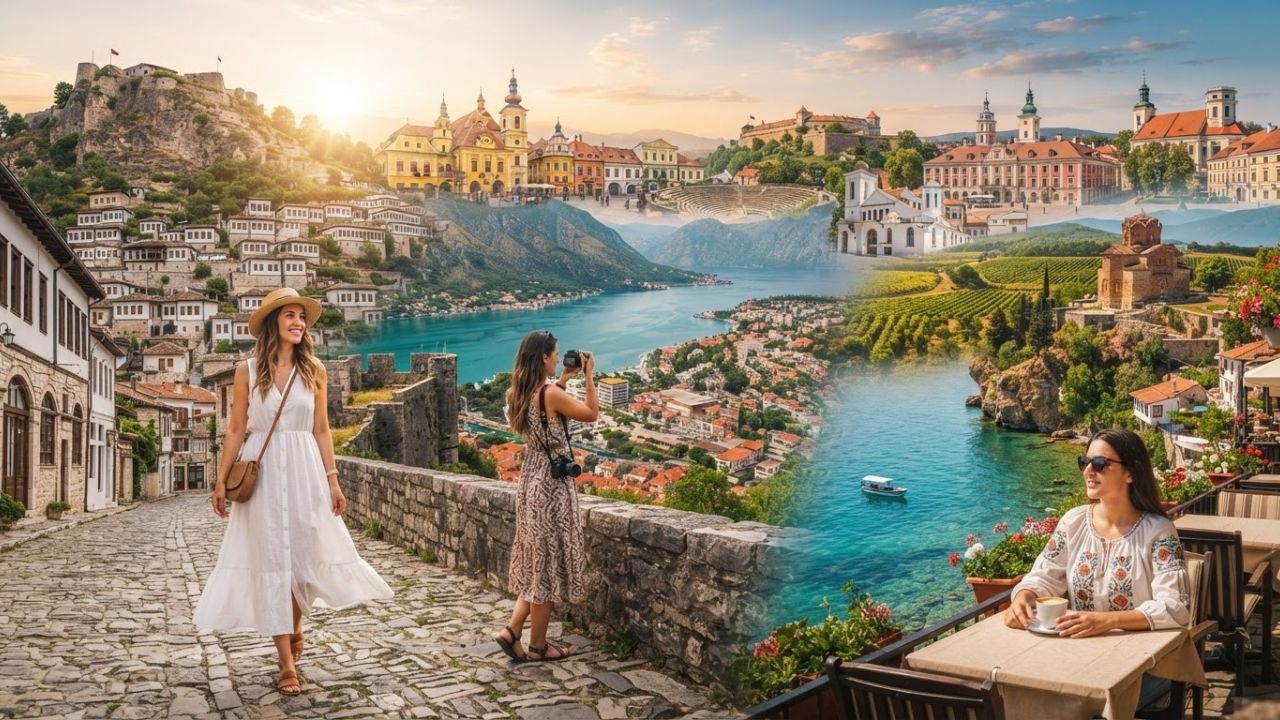
Image generated by AI
Published on July 18, 2026
A major cultural travel movement is gaining momentum across the continent as Albania, Poland, Montenegro, Romania, Portugal, Bulgaria, Serbia, and Estonia emerge as premier choices for budget-conscious travelers. By showcasing UNESCO-listed monuments, ancient architecture, and local traditions, these countries are positioning Europe's hidden heritage destinations as compelling alternatives to crowded tourism capitals. Anyone planning a European vacation is encouraged to explore these lesser-known regions, which offer rich history and authentic experiences at a fraction of the cost of traditional transit hubs.
Quick Summary
- Shifting Travel Trends: Travelers are moving away from crowded capitals to explore affordable, culturally rich destinations in Eastern and Southern Europe.
- Albanian Highlight: Berat, known as the "City of a Thousand Windows," offers UNESCO-protected Ottoman-era architecture and centuries-old castle communities.
- Lakeside Heritage: Ohrid in North Macedonia combines ancient Byzantine churches and Roman ruins with one of the world's oldest lake ecosystems.
- Multi-Layered History: Cities like Sarajevo showcase unique blends of Ottoman, Austro-Hungarian, and modern historical layers within single neighborhoods.
- Cost Advantages: Using regional currencies like the Bulgarian lev, Romanian leu, and Bosnian mark helps travelers keep dining and lodging expenses low.
Cultural Evolution: The Rise of Europe's Hidden Heritage Destinations
The search for meaningful, uncrowded travel has led to a significant shift in tourist traffic, bringing Europe's hidden heritage destinations into the global spotlight. With major capitals facing overtourism and rising prices, travelers are actively seeking locations that offer both historic depth and reasonable pricing. These emerging cities allow visitors to experience centuries of history, local gastronomy, and unique landscapes without the high expenses associated with major hubs.
From the mountain towns of the Balkans to the quiet coastal villages of Portugal, these destinations are preserving their authentic character while upgrading visitor services. By promoting their designated UNESCO World Heritage sites and investing in local heritage conservation, these regions demonstrate that a high-quality European holiday does not require a large budget. For modern travelers, these destinations offer a rare chance to connect with local history in its natural setting.
Regional Spotlights: Details of Europe's Hidden Heritage Destinations
Officially updated on July 18, 2026, the list of hidden gems spans several distinct regions, each offering unique historical narratives and cultural attractions. Rather than following a single tourist trail, travelers can choose from various destinations that showcase different eras of European development:
Berat, Albania: The City of a Thousand Windows
Earning UNESCO status in 2008, Berat is famous for its preserved Ottoman-era architecture rising along the hillside above the Osum River. The city is divided into the historic Muslim quarter of Mangalem and the quieter Christian area of Gorica, connected by a stone bridge. The ancient Berat Castle, dating back over 2,000 years, remains unique as families still live within its walls. Inside the castle, the Onufri Museum preserves valuable 16th-century religious icons. Located 2.5 hours from Tirana, the city is also known for local wine production and affordable traditional restaurants.
Ohrid, North Macedonia: Ancient Lakeside Culture
Situated next to Lake Ohrid, one of Europe’s deepest and oldest lakes, this UNESCO site combines ancient history with a unique aquatic ecosystem. Cobbled streets lead to historic Byzantine churches built between the 9th and 13th centuries, including the clifftop Church of St. John at Kaneo. Ohrid served as a major center for Slavic literacy, with the 9th-century Ohrid Literary School contributing to the spread of the Cyrillic alphabet. The nearby Plaošnik archaeological site contains Roman ruins, and the country's denar currency keeps travel costs low.
Sarajevo, Bosnia and Herzegovina: Centuries of Cultural Layers
Sarajevo displays a rare mix of historical influences, allowing visitors to walk between Ottoman streets, Austro-Hungarian quarters, and landmarks from the Bosnian War within a small area. The historic Baščaršija district features traditional copper workshops and cafés serving Bosnian coffee prepared in copper pots (džezvas) alongside local dishes like ćevapi. The city's tram network, introduced in 1885, is one of Europe's oldest. The Tunnel of Hope near the airport provides insight into the city's wartime survival, and the use of the convertible mark currency keeps travel expenses affordable.
Kotor, Montenegro: Venetian History on the Adriatic
Located on the Bay of Kotor—a fjord-like bay created by river erosion—this medieval town sits beneath limestone cliffs. Its defensive walls climb 260 meters to the Fortress of San Giovanni, offering views of the historic harbor. Kotor's architecture reflects centuries of Venetian rule, highlighted by the Cathedral of Saint Tryphon, which was consecrated in 1166 and survived the major 1979 earthquake. Montenegro uses the euro currency, and the nearby village of Perast provides a quieter alternative base.
To help travelers compare these options, the table below highlights the key features of other emerging heritage destinations:
| Destination | Primary Historical Influence | Core Cultural Attraction | Local Currency Advantage |
|---|---|---|---|
| Plovdiv, Bulgaria | 6,000 years of continuous history | Preserved Roman Theatre (1st Century CE) & Kapana art district | Lev currency offers affordable dining and boutique lodging. |
| Sibiu, Romania | Transylvanian Saxon heritage | Piaţa Mare square, Brukenthal Museum & ASTRA rural park | Romanian leu keeps seasonal market travel cost-effective. |
| Novi Sad, Serbia | Austro-Hungarian Danube culture | Petrovaradin Fortress & historic Liberty Square | Serbian dinar provides excellent value for regional dining. |
| Zamość, Poland | Renaissance planned city | Rynek Wielki merchant houses & Renaissance town hall | Polish złoty keeps costs lower than Kraków or Warsaw. |
| Tartu, Estonia | Northern European intellectual heritage | University of Tartu (1632) & Toomemägi cathedral ruins | Euro currency provides price transparency in the Baltic. |
| Tavira, Portugal | Traditional Algarve coastal heritage | Ria Formosa Natural Park & historic tiled architecture | Euro-based travel remains cheaper than western Algarve resorts. |
Risk and Impact: Balancing Tourism Growth and Preservation
While welcoming more visitors provides economic support, it also presents challenges that local communities must manage:
- Overcrowding Pressures: Popular spots like Kotor face sudden crowds from cruise tourism, requiring visitor management to protect historic squares.
- Commercialization Risks: Preserving traditional districts like Sarajevo's copper markets requires balancing tourism growth with support for local craftspeople.
- Environmental Strain: Protecting delicate natural ecosystems like Lake Ohrid's endemic wildlife requires strict water and waste management.
- Currency Fluctuations: While regional currencies keep costs low, international travelers should monitor local exchange rates to plan budgets accurately.
What Authorities Are Saying: Encouraging Responsible Exploration
National tourism offices, including the Albania National Tourism Portal, emphasize that sustainable development is the priority for these historic areas. Planners focus on preserving local communities, improving waste systems, and training guides to protect archaeological sites.
Officials also highlight that travel between these hubs is increasingly convenient. Improved rail lines, regional bus networks, and local airport expansions make it easier to visit multiple countries on a single trip. Authorities recommend checking official government websites for updated travel requirements and visa information.
Practical Traveler Advice: Planning an Affordable Heritage Trip
To enjoy a safe and rewarding journey through these historical regions, travel advisors suggest the following tips:
- Research Local Currencies: Carry small amounts of local cash (denar, lev, leu, or mark) for family-run shops and traditional markets.
- Book Guesthouses: Choose restored historic homes and locally owned guesthouses to support the local economy directly.
- Time Your Visits: Visit popular spots like Kotor or Berat Castle early in the morning or during sunset to avoid peak tour groups.
- Enjoy Local Dining: Focus on regional specialties like traditional wine in Berat or Bosnian coffee in Sarajevo for an authentic experience.
- Prepare for Stairs: Wear sturdy shoes with good grip, as many ancient cities feature steep, uneven stone steps and cobbled streets.
Broader Context: Preserving Living History
What makes these destinations unique is that they are living communities rather than simple museums. Families still live inside the walls of Berat Castle, copper workshops in Sarajevo continue to produce traditional wares, and local fishermen still work the waters of Lake Ohrid. This continuity of daily life provides a deeper connection for travelers seeking to understand the region's history.
By supporting local businesses, respecting safety barriers, and choosing sustainable travel options, visitors help preserve these unique cultural settings. This responsible approach ensures that these historic cities remain vibrant and welcoming for future generations.
What to Expect Next / Looking Ahead
Over the coming months, several cities will expand their digital heritage guides and pedestrian zones to make exploration easier for international guests. Local authorities plan to introduce more multilingual signage and interactive maps at key archaeological sites. By continuing to focus on preservation and value, these destinations are set to play an increasingly important role in the future of European tourism.
Conclusion: A Meaningful Way to Experience Europe
Choosing to explore Europe's hidden heritage destinations offers a rewarding alternative to traditional tourism. From the ancient walls of Berat and the quiet waters of Ohrid to the historic squares of Sibiu and Plovdiv, these cities prove that remarkable journeys are found by looking beyond the usual routes. By planning ahead, traveling responsibly, and respecting local traditions, you can enjoy a memorable holiday that celebrates the diverse history of the continent.
FAQ: Hidden Heritage Travel in Europe
What makes these destinations cheaper than Western European cities?
Many of these destinations use regional currencies (such as the Bulgarian lev, Romanian leu, or Macedonian denar) and have lower costs of living, making dining, lodging, and transport much more affordable.
Are these heritage sites recognized internationally?
Yes, many of these cities, including Berat in Albania and Ohrid in North Macedonia, hold official UNESCO World Heritage status for their exceptional cultural and natural value.
Can I visit these destinations as day trips?
While cities like Berat can be visited as day trips from nearby capitals, staying overnight in local guesthouses allows you to experience the historic areas without the crowds.
Is English widely spoken in these regions?
In major tourist areas and local hotels, staff generally speak English, but learning a few basic phrases in the local language is highly recommended for visiting local markets.
What is the best way to travel between these hidden destinations?
Many of these locations are connected by regional train networks, daily bus services, and local flights, making multi-country itineraries highly accessible.
Related Travel Guides
The 10 Best Regenerative Travel Spots in Latin America, According to Reddit
Disclaimer
This article is for informational and educational purposes only. It does not constitute legal, financial, or professional advice. While we strive to provide accurate and up-to-date information, travel policies, regulations, and conditions change rapidly. Always verify information with official sources before making travel decisions. Nomad Lawyer makes no representations about the accuracy, reliability, completeness, or suitability of the information provided. Readers should consult qualified professionals for advice specific to their circumstances. The views expressed in this article are those of the author and do not necessarily reflect the views of Nomad Lawyer.
Kunal K Choudhary
Co-Founder & Contributor
A passionate traveller and tech enthusiast. Kunal contributes to the vision and growth of Nomad Lawyer, bringing fresh perspectives and driving the community forward.
Learn more about our team →