
Japan's Kumamoto Rail Network Resumes Full Operation as Earthquake-Damaged Hisatsu Orange Railway Reopens After 77 Days
The Hisatsu Orange Railway in Kumamoto Prefecture reopens its 23.6km Yatsushiro–Higo-Tanoura section, restoring coastal rail connectivity across southwestern Japan.

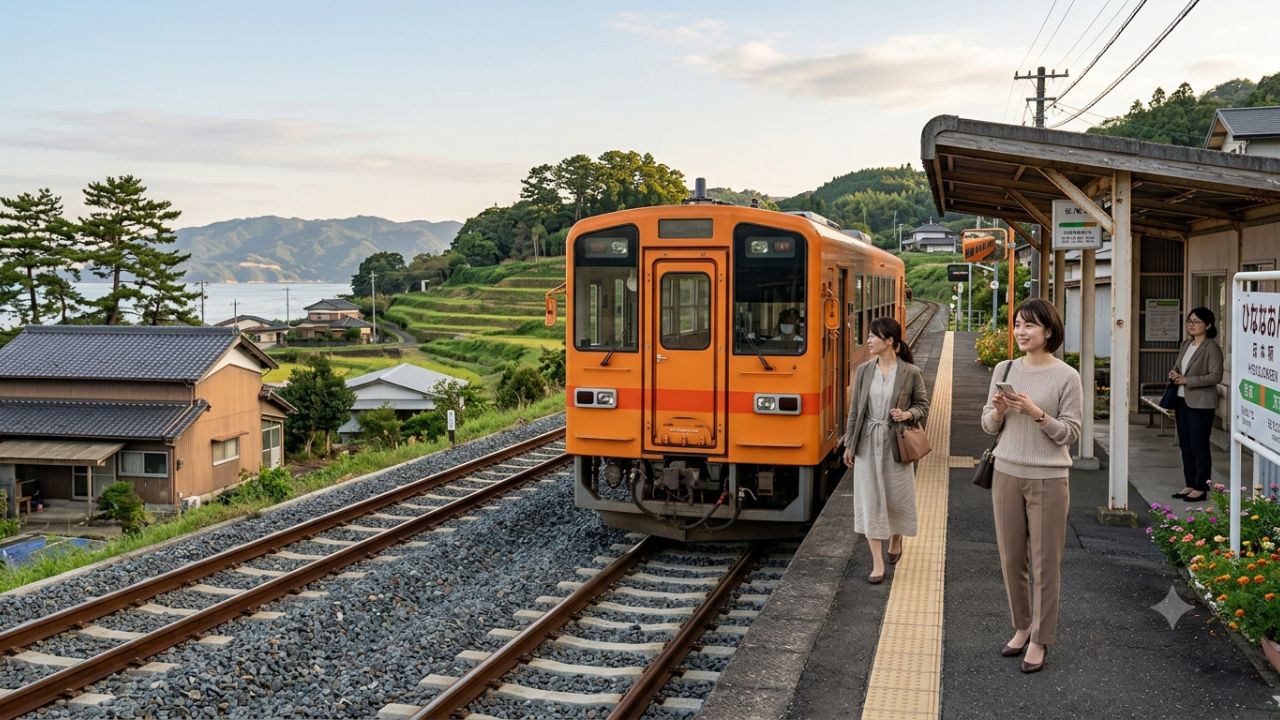
Japan's Hisatsu Orange Railway returns to full operational service on 13 October 2026 after 77 days of post-earthquake track and platform restoration.
Japan’s southwestern railway network marked a major milestone in disaster recovery on Tuesday, 13 October 2026, as the Hisatsu Orange Railway resumed passenger service across its final suspended 23.6-kilometre corridor between Yatsushiro and Higo-Tanoura stations in Kumamoto Prefecture. The reopening officially ends 77 consecutive days of regional travel disruption triggered by a powerful earthquake on 28 July 2026, which severely deformed railway track geometry and fractured passenger platforms near the seismic epicentre. With the restoration of this vital coastal link, all passenger railway lines across the earthquake-affected zones of Kumamoto have officially returned to operational status, reconnecting rural communities, medical commuters, and scenic railway enthusiasts across Kyushu.
The restoration highlights the resilience and engineering discipline of Japan’s "third-sector" railway systems—public-private partnerships that maintain critical regional lines where major commercial carriers might struggle to justify ongoing operations. Serving the tranquil coastline of the Yatsushiro Sea (Shiranui Sea) between southern Kumamoto and Kagoshima prefectures, the Hisatsu Orange Railway provides essential mobility for rural residents who do not drive, while offering international tourists an unhurried, panoramic alternative to the inland high-speed Kyushu Shinkansen.
Earthquake Impact and Technical Restoration Timeline
The 28 July earthquake inflicted severe localized infrastructure damage along the rugged coastal topography of southern Kumamoto. Because railway tracks require millimeter-level geometric precision to guarantee operational safety, deformed steel rails and destabilized track ballast forced an immediate halt to all train traffic:
                      ┌──────────────────────────────────────────────┐
                      │    Hisatsu Orange Railway Recovery Cycle     │
                      └──────────────────────┬───────────────────────┘
                                             │
             ┌───────────────────────────────┼───────────────────────────────┐
             ▼                               ▼                               ▼
    ┌──────────────────┐           ┌──────────────────┐           ┌──────────────────┐
    │  Seismic Damage  │           │ Engineering Phase│           │ Full Reopening   │
    │  (28 July 2026)  │           │ (August–Sept)    │           │ (13 Oct 2026)    │
    ├──────────────────┤           ├──────────────────┤           ├──────────────────┤
    │ • 23.6 km track  │           │ • Rail realignment│           │ • All lines      │
    │   deformation    │           │ • Ballast packing│           │   operational    │
    │ • Cracked station│           │ • Platform repair│           │ • 77-day outage  │
    │   platforms      │           │ • Safety test runs│           │   concludes      │
    └──────────────────┘           └──────────────────┘           └──────────────────┘
The table below outlines the core parameters of the restoration project, as verified by railway operator announcements:
| Operational Metric | Confirmed Event Data | Technical and Regional Significance |
|---|---|---|
| Railway Line | Hisatsu Orange Railway (Hisatsu Orenji Tetsudō) | 116.9 km coastal line connecting Yatsushiro (Kumamoto) to Sendai (Kagoshima) |
| Restored Section | Yatsushiro Station to Higo-Tanoura Station | 23.6 km northern terminus corridor directly adjacent to the earthquake epicenter |
| Duration of Disruption | 77 Days (28 July to 13 October 2026) | Longest continuous railway interruption in Kyushu during the 2026 operational year |
| Physical Damage Profile | Lateral rail buckling, ground subsidence, platform cracking | Required complete re-ballasting, track re-gauging, and structural platform repairs |
| Operating Model | Third-Sector Railway Corporation | Jointly owned by Kumamoto and Kagoshima prefectures and local municipal councils |
| Current Line Status | 100% Fully Operational | Entire 116.9 km route restored from Yatsushiro to Sendai |
Speaking on the milestone, company president Seiki Nakamura expressed profound relief, stating that the reopening restores complete geographic continuity to a railway network that serves as an indispensable lifeline for regional communities.
Local Lifelines: Reconnecting Coastal Communities
While bullet trains like the Kyushu Shinkansen cater to business travelers speeding between Fukuoka and Kagoshima, regional lines like the Hisatsu Orange Railway underpin the fabric of daily life in coastal towns like Ashikita and Minamata:
                            ┌───────────────────────────────────┐
                            │    Coastal Transport Hierarchy    │
                            └─────────────────┬─────────────────┘
                                              │
             ┌────────────────────────────────┴───────────────────────────────┐
             ▼                                                               ▼
    ┌──────────────────────────────────┐            ┌──────────────────────────────────┐
    │     Kyushu Shinkansen (JR)       │            │  Hisatsu Orange Railway (Local)  │
    ├──────────────────────────────────┤            ├──────────────────────────────────┤
    │ • 260 km/h inland bullet train   │            │ • Scenic coastal diesel railcars │
    │ • Long-distance intercity transit│            │ • Essential school & hospital runs│
    │ • Fukuoka – Kumamoto – Kagoshima │            │ • Connects small seaside villages │
    │ • Bypasses coastal countryside   │            │ • 28 local stations along water  │
    └──────────────────────────────────┘            └──────────────────────────────────┘
For elderly residents and non-driving workers, the 77-day closure caused severe hardship. A 52-year-old part-time worker interviewed by local press noted that the rail link was vital for traveling two to three times a month to Yatsushiro for specialized hospital treatments and grocery shopping, saving hours compared to complex regional bus detours. The restoration returns predictable schedules to students commuting to high schools in Yatsushiro and reinforces local commercial activity in coastal markets.
Tourism Revival: Coastal Slow Travel in Southwestern Kyushu
The return of the Hisatsu Orange Railway offers significant benefits for international and domestic leisure travelers seeking authentic off-the-beaten-path experiences in Kyushu:
- Scenic Marine Vistas: Tracing the serene waters of the Shiranui Sea, the railway provides sweeping views of the Amakusa archipelago across the bay, passing citrus orchards that give the line its "Orange" namesake.
- Gateway Connections at Yatsushiro: Yatsushiro serves as a pivotal transport junction where travelers can easily transfer between JR Kyushu's conventional Kagoshima Main Line, local tourist trains, and the Kyushu Shinkansen.
- The Orange Restaurant Express (Orange Shokudō): The railway is renowned for its luxury dining train, which serves gourmet multi-course meals prepared with locally caught seafood, Kurobuta pork, and seasonal citrus fruits. With the tracks reopened, culinary rail tours can resume full-length journeys connecting Kumamoto and Kagoshima.
  Yatsushiro Junction ──► Higo-Tanoura ──► Ashikita ──► Minamata ──► Sendai (Kagoshima)
  (Shinkansen Transfer)     (Reopened 23.6 km)           (Citrus Farms)   (Southern Terminal)
Resilience Engineering: Japan’s Post-Disaster Rail Standards
The successful completion of repairs in 77 days highlights Japan's world-class protocols for restoring critical infrastructure after seismic events:
- Digital Track Geometry Inspection: Specialized diagnostic railcars (Doctor Yellow variants and regional inspection trolleys) measure track gauge, cant, and alignment using optical laser arrays to identify microscopic structural deviations.
- Seismic Embankment Reinforcement: Soil stabilization techniques and reinforced concrete retaining walls are deployed along coastal cliffs to prevent landslides during seasonal typhoons and aftershocks.
- Comprehensive Test Runs: Before passenger clearance was granted on 13 October, empty diesel railcars completed multi-day test runs at varying speeds to verify signal telemetry and braking performance across the rehabilitated sections.
Essential Practical Advice for Train Travelers
Travelers incorporating southern Kumamoto into their Kyushu itineraries should keep several operational recommendations in mind:
- Verify Individual Departures: While the line is fully open, travelers should confirm specific departure times via the official Hisatsu Orange Railway timetable, as slight adjustments may remain during initial post-reopening operations.
- Ticketing and Rail Passes: The Hisatsu Orange Railway is a third-sector line and is not fully covered by the nationwide Japan Rail (JR) Pass. However, holders of the regional JR Kyushu Rail Pass should check specific inter-line agreements or purchase affordable local one-day passes at station ticket windows.
- Allow Transfer Margins at Yatsushiro: When connecting from the Kyushu Shinkansen at Shin-Yatsushiro to the Hisatsu Orange Railway at standard Yatsushiro Station, schedule at least 15 to 20 minutes to transition between platforms and ticket gates.
Frequently Asked Questions
When did the Hisatsu Orange Railway reopen?
The final 23.6-kilometer suspended section between Yatsushiro and Higo-Tanoura stations officially reopened for passenger service on Tuesday, 13 October 2026.
Why was train service suspended in Kumamoto?
The line was suspended following a powerful earthquake on 28 July 2026, which deformed railway tracks and damaged station platforms near the epicentre in southern Kumamoto Prefecture.
How long was the railway closed?
The damaged railway section was closed for 77 days while engineers completed track realignments, platform repairs, and safety inspection test runs.
Is the Hisatsu Orange Railway covered by the JR Pass?
Because the Hisatsu Orange Railway is an independent third-sector railway, it is not covered by the standard nationwide JR Pass. Passengers must purchase separate local tickets or regional discount passes.
Related Travel Guides
- Major October 2026 Railway Closures Across the Netherlands, Germany, Italy, and the UK: Impact on Cross-Border Trains and Cruise Transfers
- Bhutan Makes Regional Tourism History With 11 South Asian Travel Awards as Paro and Punakha Dominate Luxury Hospitality
- Marriott Launches First City Express Hotel in South Asia Along the Udaipur–Nathdwara Highway in Rajasthan
Disclaimer
This article is for informational and educational purposes only. It does not constitute legal, financial, or professional advice. While we strive to provide accurate and up-to-date information, travel policies, regulations, and conditions change rapidly. Always verify information with official sources before making travel decisions. Nomad Lawyer makes no representations about the accuracy, reliability, completeness, or suitability of the information provided. Readers should consult qualified professionals for advice specific to their circumstances. The views expressed in this article are those of the author and do not necessarily reflect the views of Nomad Lawyer.
Preeti Gunjan
Contributor & Community Manager
A passionate traveller and community builder. Preeti helps grow the Nomad Lawyer community, fostering engagement and bringing the reader experience to life.
Learn more about our team →