
Kolkata's Cultural Capital Status: A Nomad's Deep Dive into Bengali Renaissance, Durga Puja, and Literary Heritage in 2026
Why Kolkata remains India's undisputed cultural epicenter: exploring Tagore's legacy, Durga Puja's UNESCO recognition, and the living literary scene that defines Bengal.

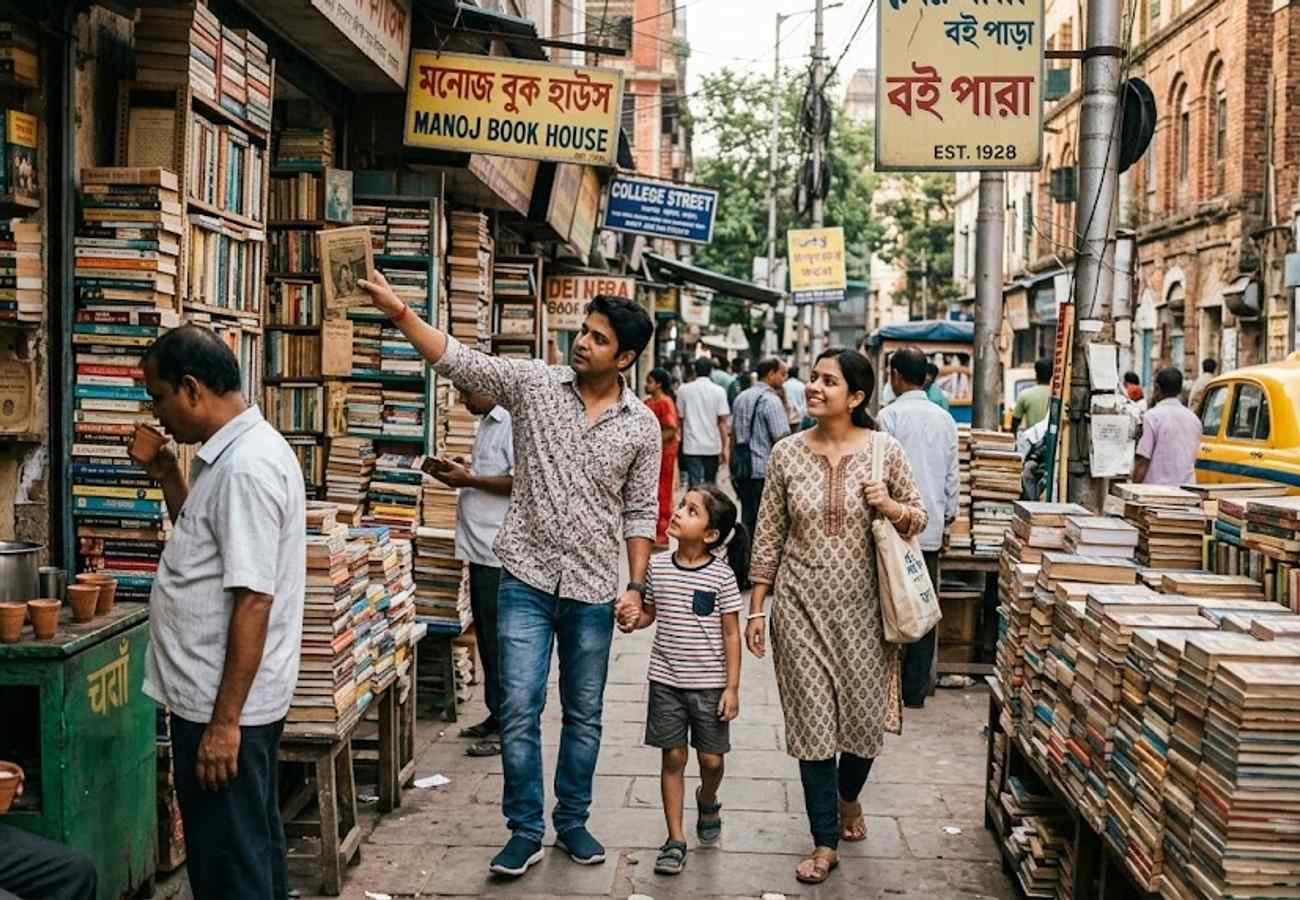
Image generated by AI
I've spent the better part of three months spread across Kolkata over the last decade, and I can tell you with certainty: this city doesn't market itself the way it should. While Delhi claims political power and Mumbai flexes Bollywood muscle, Kolkata quietly owns something rarer—intellectual gravity that's shaped modern India itself.
The reason Kolkata earned its "Cultural Capital" title isn't ceremonial. It's earned through 200+ years of relentless artistic output. When the British moved their Indian capital here in the late 1700s, they inadvertently created a pressure cooker for genius. Rabindranath Tagore, Asia's first Nobel laureate, wrote and taught here. Satyajit Ray shot his debut film Pather Panchali in these streets. The Bengal Renaissance—that intellectual explosion that redefined modern Indian thought—happened in these colleges and coffee houses.
The Literary Nerve Center Still Pulses
College Street remains the most underrated neighborhood in South Asia. I've wandered this mile-long stretch of independent bookshops, tea stalls, and second-hand vendors more times than I can count. Unlike Delhi's commercialized Pragati Maidan book fair, the Kolkata International Book Fair (held annually in January-February at Salt Lake) remains genuinely chaotic and intimate. You'll find rare Bengali first editions sold by vendors who've worked the same stall for thirty years. The annual fair draws over 1.5 million visitors, but even then, it feels like a neighborhood gathering rather than a tourism event.
"Skip the Victoria Memorial crowds. Go to the Indian Museum's Bengal School of Art wing early morning—you'll have the Abanindranath Tagore paintings to yourself. Then walk to nearby Rabindra Sarovar and grab chai from the street vendor near the north gate. That's Kolkata." — u/bengali_wanderer, r/india
Where Durga Puja Becomes Performance Art
I'll be honest: the first time I experienced Durga Puja during my October visit in 2019, I understood why UNESCO formally recognized it as Intangible Cultural Heritage of Humanity in 2021. This isn't a religious ceremony you observe passively. It's a five-day explosion of artistic collaboration where entire neighborhoods compete to build increasingly elaborate pandals (temporary temples).
The competition is fierce. South Kolkata's Ballygunge Circular Road and North Kolkata's Shobhabazar areas transform into open-air galleries. In 2024, the "Kali Bari" pandal in Kalighat broke tradition entirely—the artists designed it as a mirror-maze that forced visitors to confront their own reflections while engaging with the deity concept. These aren't religious relics; they're contemporary art installations funded by local businesses and created by professional sculptors.
Walking the pandal trail requires strategy. Arrive between 10 PM and midnight when crowds thin slightly. The neighborhood around Shyama Charan Dey Street fills with street food vendors selling luchi-aloo, cholar dal, and the region's famed sandesh (cheese-based sweets). I recommend hiring a local guide through Kolkata Walking Tours—their guides actually know artists personally and can explain the conceptual themes most tourists miss.
The Neighborhoods That Actually Matter
Kumartuli (literally "potter's quarter") is where you'll see artisans hand-sculpting clay idols in open workshops. Walk through early morning around 6 AM when the light is best and vendors are prepping materials for the upcoming festival season. The artisan families here have worked the same crafts for six generations. A conversation with any sculptor will cost you nothing but yields stories about how their techniques have remained unchanged despite 300 years of history passing outside their workshop.
Baghbazar and Shyama Charan Dey Street form the northern cultural spine. The Coffee House on College Street (operating since 1876) is where communist intellectuals, poets, and journalists still gather for three-hour debates over filtered coffee that costs 40 rupees. The building itself is unremarkable—chipped paint, wooden chairs—but the conversations happening there inform Bengali literature and cinema to this day.
Rabindra Sarovar isn't famous, but it's essential. The man-made lake was conceived by Tagore himself as a community space. Mornings here feel genuinely meditative—locals doing tai chi, book readers under banyan trees, and zero selfie-stick tourism. The adjacent Aurobindo Pathamandir library holds first editions of Tagore's work available for reading.
The Cinema Connection
Satyajit Ray's influence on world cinema can't be overstated. The Satyajit Ray Film and Television Institute occupies a sprawling campus in South Kolkata near Lake Road. While the institute itself isn't tourist-accessible for daily visits, understanding Ray's work before arriving gives you crucial context. His films were shot across Kolkata's actual neighborhoods—Charulata in South Kolkata's heritage homes, Aparajito in the Ganges river settlements. Watching these films before arrival transforms casual sightseeing into pilgrimage.
Why the Food Matters Culturally
Don't make the mistake of treating Kolkata cuisine as secondary. What you eat here directly connects to the city's social history. Kathi rolls originated from street vendors catering to mill workers in the 1900s. Puchka (the Bengali version of gol gappa) exists because of monsoon season flooding—vendors created this quick, cheap snack for people moving through water-logged streets.
Visit Peerless Inn on AJC Bose Road for the Bengal Platter—it's not a tourist menu item but rather the traditional spread that educated Bengalis have ordered since 1949: luchi, aloo-dum, kosha mangsho (slow-cooked mutton), and fish curry. Lunch costs 400-600 rupees. The waiters have worked there for decades and remember regular customers' preferences.
For sweets, skip the commercialized rosogolla shops and visit Balaram Mullick & Radharaman Mullick in Shyama Charan Dey Street—two separate shops, fierce competitors, both operating since the 1880s. Their rivalry is genuine and legendary among locals. The sandesh (cheese sweets) vary slightly between the two shops, and Kolkata residents will passionately defend their preferred shop.
Practical Visitor Guide
Best Time to Visit
October through February is ideal—temperatures range from 15-25°C and humidity drops significantly. Avoid April-June (heat exceeds 40°C) and July-September (monsoon flooding is common). Durga Puja falls in September-October and transforms the entire city—book accommodation 4-5 months ahead if visiting during the festival.
Getting Around
The Metro Rail (Kolkata's rapid transit system) covers most cultural neighborhoods efficiently. Line 1 and 2 connect major sites. Single-journey tickets cost 10-30 rupees depending on distance. Taxis through Uber or local services run 50-150 rupees for typical journeys. Auto-rickshaws are cheaper (30-80 rupees) but negotiate fares beforehand—meters are rarely functional. Walking neighborhoods like College Street and Kumartuli is preferable to motorized transport.
Safety and Practical Notes
Kolkata is significantly safer than Delhi or Mumbai for solo travelers. Petty theft exists in crowded markets, but violent crime targeting tourists is extremely rare. Pickpocketing occurs at Howrah Station and major markets—keep valuables secure but don't be paranoid. Women travelers report fewer harassment incidents than other major Indian cities, though street attention exists. Street food is generally safe if purchased from established vendors (not from random carts). Drink only bottled water and carry hand sanitizer for street food exploration.
Budget Breakdown (per day)
Budget accommodation (guesthouse): 600-1200 rupees. Mid-range hotel (3-star): 2500-4500 rupees. Street food meals: 60-150 rupees per item. Restaurant meals (casual Bengali): 300-700 rupees. Metro pass (10-journey): 200 rupees. Museum entries: 20-100 rupees. Total daily budget: 2000-3500 rupees for budget travelers, 5000-8000 rupees for mid-range comfort.
Essential Resources
Tourism West Bengal's official site provides updated festival calendars and accommodation listings. The Kolkata Literature Festival runs annually in January and attracts international authors—worth timing your visit around. Tripadvisor's Kolkata forum hosts active discussions from repeat visitors who share neighborhood-specific recommendations.
Kolkata won't overwhelm you with monuments or Instagram moments—it seduces you through conversations, archived books, and the slow realization that everything you're seeing shaped modern India.
Related Travel Guides
Disclaimer
This article is for informational and educational purposes only. It does not constitute legal, financial, or professional advice. While we strive to provide accurate and up-to-date information, travel policies, regulations, and conditions change rapidly. Always verify information with official sources before making travel decisions. Nomad Lawyer makes no representations about the accuracy, reliability, completeness, or suitability of the information provided. Readers should consult qualified professionals for advice specific to their circumstances. The views expressed in this article are those of the author and do not necessarily reflect the views of Nomad Lawyer.
Raushan Kumar
Founder & Lead Developer
Full-stack developer with 11+ years of experience and a passionate traveller. Raushan built Nomad Lawyer from the ground up with a vision to create the best travel and law experience on the web.
Learn more about our team →