
Australia's Literary Tourism Surge: Melbourne and Sydney Lead High-Value Knowledge Travel in 2026
Australia is seeing a strategic shift toward literary tourism, with Melbourne and Sydney leveraging massive archival collections and independent bookstore networks to attract high-spending global researchers and cultural explorers.

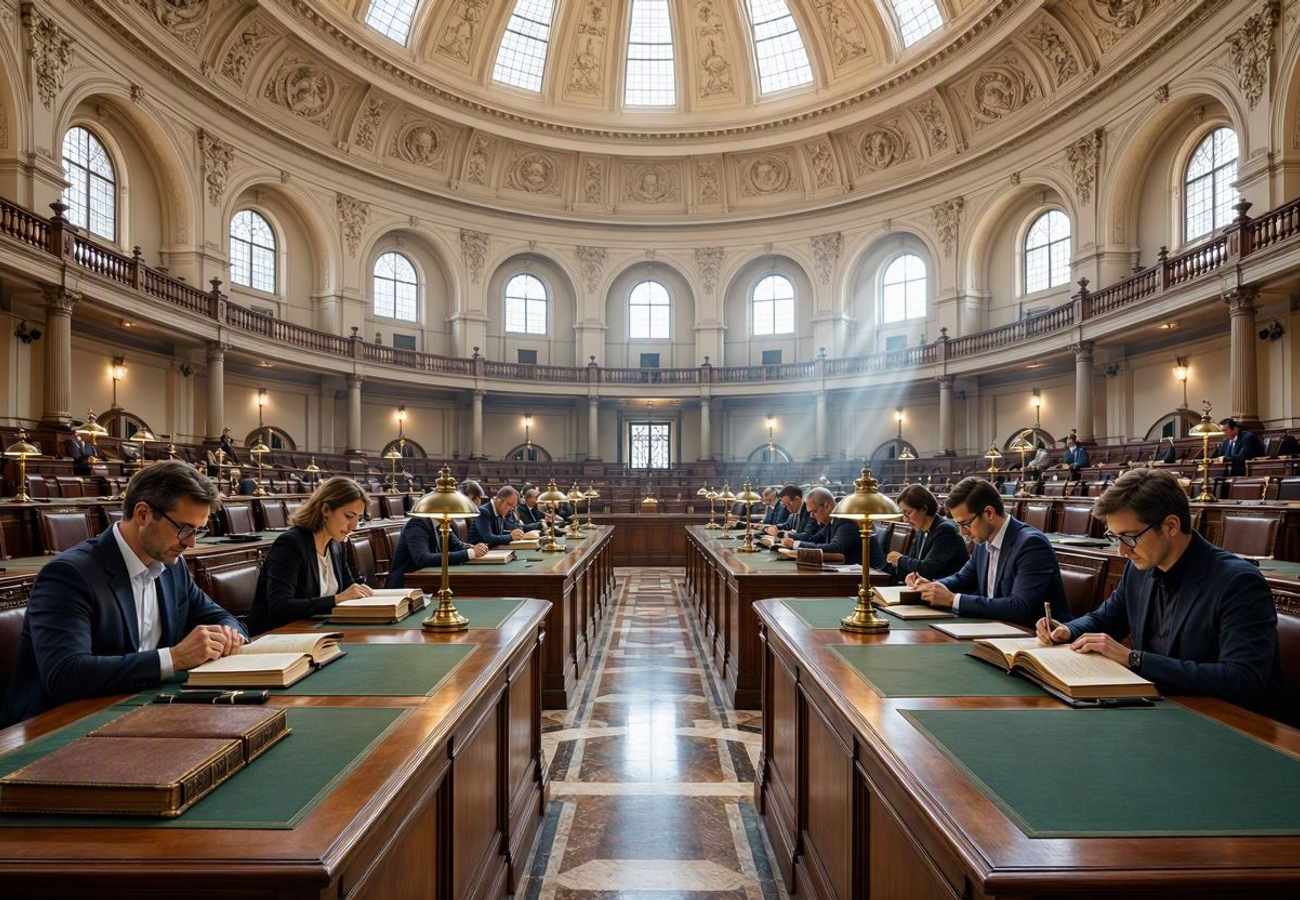
Image generated by AI
Literary tourism in Australia has evolved from a niche hobby into a structured economic driver, with Melbourne maintaining its status as the primary hub through its UNESCO City of Literature designation. While traditional sightseeing remains stable, the growth in "knowledge travel"—trips specifically designed around archives, rare manuscripts, and independent bookstores—has seen a marked increase in visitor dwell time across major Australian cultural centers.
The Literary Economy in Numbers
The current distribution of Australia's literary assets shows a heavy concentration of "anchor institutions" in the southeast. Melbourne and Sydney act as the primary gateways for this trend, utilizing a combination of massive public archives and high-density retail clusters. The State Library Victoria serves as a critical data point for this growth, housing millions of items and acting as a primary draw for international researchers.
This shift is not merely about reading; it is about the "experience economy." Travelers are increasingly seeking immersive environments, such as the La Trobe Reading Room, where the architecture of knowledge becomes the attraction. According to data patterns observed by the World Tourism Organization (UNWTO), cultural tourism now accounts for a significant portion of global travel spend, and Australia's investment in these spaces aligns with this global trajectory.
Regional Literary Capacity and Market Distribution
When comparing the literary infrastructure across Australian states, a clear hierarchy emerges. Melbourne focuses on independent community networks and UNESCO-backed prestige, while Sydney leverages scale and international diversity. Canberra, meanwhile, functions as the national repository, prioritizing archival depth over commercial bookstore density.
The following table breaks down the literary infrastructure by city, highlighting the specific value proposition for different types of travelers.
| Australian City | Primary Knowledge Anchor | Collection Highlight | Key Commercial Hubs | Primary Traveler Draw |
|---|---|---|---|---|
| Melbourne | State Library Victoria | Millions of research items | Readings Carlton, Hill of Content | UNESCO status & Indie culture |
| Sydney | State Library of NSW | Rare Australian manuscripts | Kinokuniya, Dymocks | International titles & Rare books |
| Canberra | National Library of Australia | National documentary archives | Harry Hartog ANU | National heritage research |
| Brisbane | State Library of Queensland | Indigenous cultural archives | Riverbend Books, Avid Reader | Modern spaces & Indigenous history |
| Adelaide | State Library of SA | Heritage documents | Imprints Booksellers | Literary festivals & Heritage |
| Perth | State Library of WA | WA research collections | Boffins Books, Crow Books | Academic & Science focus |
| Hobart | State Library of Tasmania | Colonial exploration records | Fullers Bookshop | Rare colonial collections |
| Darwin | Northern Territory Library | Tropical & Aboriginal history | The Bookshop Darwin | Indigenous & Tropical history |
What This Means for Travelers
For the modern nomad or cultural traveler, the data suggests that "book-hopping" is now a viable itinerary strategy. If you are planning a trip to Australia in 2026, the logistics of your visit should depend on your specific literary goals:
- For the Researcher: Prioritize Canberra and Sydney. The National Library of Australia offers unmatched archival access that requires pre-planning and specific appointment windows for rare manuscripts.
- For the Collector: Focus on Sydney's Kinokuniya for international imports and Melbourne's independent network for limited-run Australian publications.
- For the Aesthetic Traveler: Melbourne is the non-negotiable choice. The architectural significance of the La Trobe Reading Room makes it a high-priority stop for those blending photography with literature.
- For the Niche Historian: Hobart and Darwin provide the most specialized data on colonial exploration and Indigenous history, respectively, offering a counter-balance to the urban centers.
The Trajectory of Knowledge Tourism
The current movement toward literary tourism is expected to expand as cities integrate digital archives with physical spaces. We are seeing a transition where libraries are no longer just quiet zones but active cultural hubs hosting book launches, author events, and interactive exhibitions.
As noted by the World Travel & Tourism Council (WTTC), the integration of local heritage into the travel experience increases the average length of stay. In Australia, this is manifesting as a "slow travel" trend, where visitors spend 3-5 days in a single city specifically to explore its literary geography. We project that regional cities like Newcastle and Wollongong will see a rise in "satellite tourism," where visitors leave the major hubs to find quieter, independent literary pockets.
FAQ: Australia Literary Travel 2026
Is Melbourne actually better for book lovers than Sydney? It depends on the goal. Melbourne is superior for independent bookstore culture and "literary atmosphere" due to its UNESCO status. Sydney is the better choice for those seeking the largest commercial selections and rare international imports.
Do I need a membership to visit the State Library Victoria? Public access to the building and the iconic La Trobe Reading Room is free. However, accessing specific research archives or millions of restricted items usually requires a library card or researcher registration.
Which city is best for Indigenous literary history? Brisbane and Darwin offer the most specialized collections. The State Library of Queensland and the Northern Territory Library provide the deepest archives regarding Aboriginal culture and tropical history.
When is the best time to visit for literary events? Align your visit with major city festivals. Melbourne's literary calendar is the most dense, often peaking during winter and spring with various author series and publishing events.
The shift from sightseeing to "insight-seeking" is redefining the Australian travel map.
Related Travel Guides
Disclaimer
This article is for informational and educational purposes only. It does not constitute legal, financial, or professional advice. While we strive to provide accurate and up-to-date information, travel policies, regulations, and conditions change rapidly. Always verify information with official sources before making travel decisions. Nomad Lawyer makes no representations about the accuracy, reliability, completeness, or suitability of the information provided. Readers should consult qualified professionals for advice specific to their circumstances. The views expressed in this article are those of the author and do not necessarily reflect the views of Nomad Lawyer.
Naina Thakur
Contributor & Travel Specialist
Travel enthusiast and legal writer covering visa regulations, responsible tourism, and cultural journeys across global destinations.
Learn more about our team →