
Key Steps to Understand In Your Path To Citizenship
Becoming a U.S. citizen through naturalization requires meeting residence, physical presence, and good moral character standards. Learn the essential steps for Form N-400.

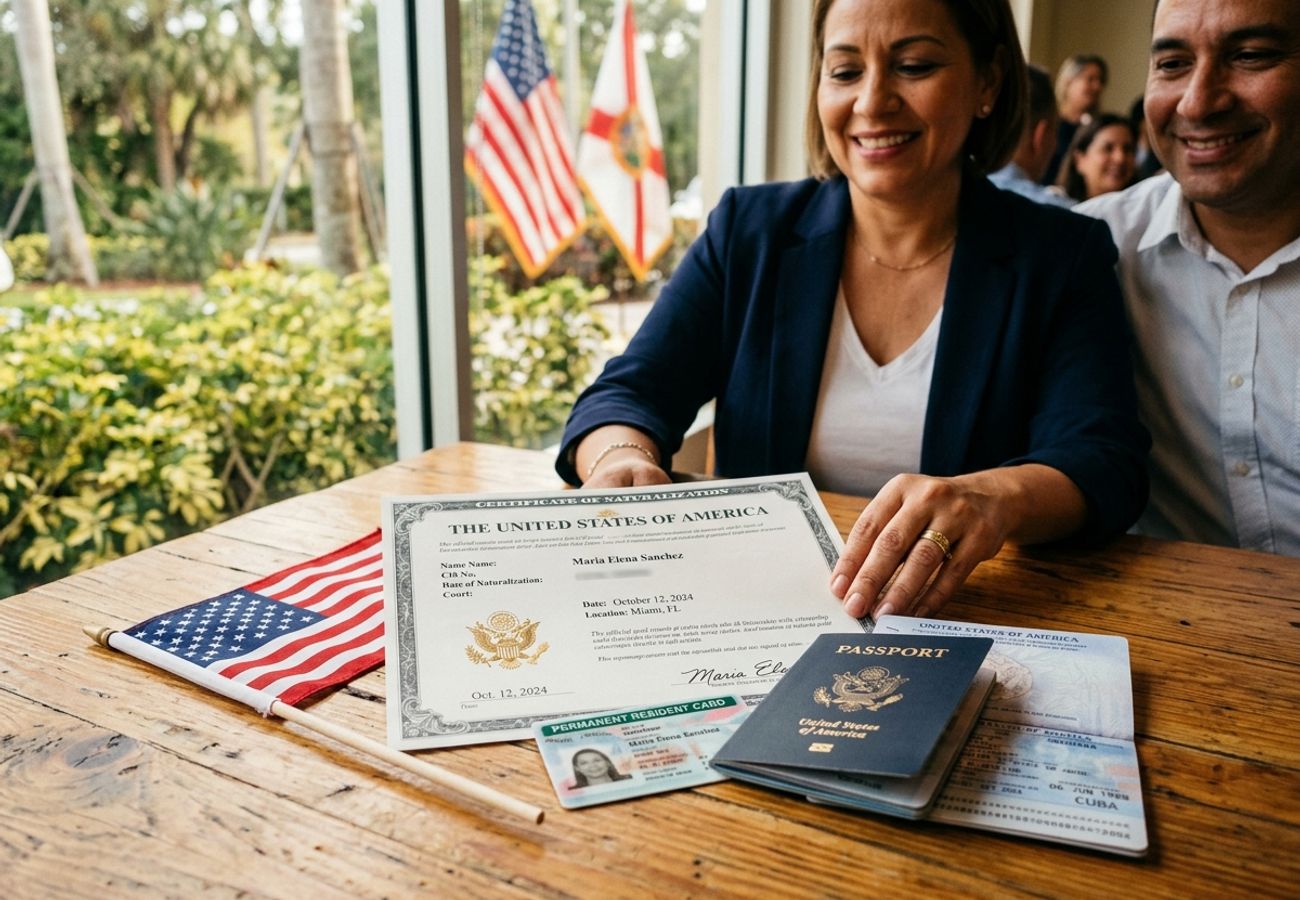
Photo by Nomad Lawyer Visa Desk / Step-by-step guidance on navigating the U.S. naturalization and citizenship process
Becoming a U.S. citizen through naturalization requires more than submitting Form N-400. Applicants must meet residence, physical presence, language, character, and civics requirements before taking the Oath of Allegiance. A careful review of travel history, immigration records, criminal matters, and supporting documents helps prevent avoidable delays. The process becomes easier to manage when each stage is handled in order, beginning with eligibility and preparation for every required appointment.
Before filing, an applicant should confirm the green card date, state residence, international trips, tax history, and any arrests or citations. A citizenship lawyer in Palm Bay, FL, can review these details, explain which records matter, and identify issues requiring attention before Form N-400 is submitted. This review gives the applicant a clearer record of eligibility and a practical plan for the next steps.
1. Confirm Eligibility and Continuous Residence Requirements
Most applicants must be at least 18 years old and hold lawful permanent resident status for five years. A person married to a U.S. citizen usually qualifies after holding a green card for three years.
The applicant must also show continuous residence in the United States during the required period. Physical presence matters as well, with at least 30 months spent in the country during the five-year period. Applicants using the three-year rule must meet the corresponding residence and presence requirements.
The applicant must have lived for at least three months in the state or district where the application is filed. Students should review residence rules carefully if school attendance and family residence occur in different states.
2. Review Character and Travel History
Naturalization requires good moral character during the relevant statutory period. USCIS reviews conduct, legal history, statements, and other records when assessing this requirement.
Certain convictions or conduct create serious concerns, including fraud, theft, robbery, aggravated assault, domestic abuse, and immigration-related offenses. An arrest, charge, or conviction should never be omitted from Form N-400. The applicant should gather court records and obtain legal advice before answering questions about criminal history.
Travel records also require careful review. Extended trips outside the United States can affect continuous residence, while frequent travel can affect physical presence. Passport stamps, travel dates, and prior immigration filings should tell the same story.
3. Gather Official Records Before Filing Form N-400
A complete application depends on accurate records. The applicant should collect the green card, passport information, addresses, employment details, school history, and travel dates covering the required period.
Tax records deserve attention because unpaid taxes or inaccurate filings can raise questions about good moral character. Applicants with tax debt should document payment arrangements and obtain records showing compliance.
Form N-400 also asks about prior immigration filings, memberships, family information, and legal issues. Every response should match available records. Missing information, inconsistent dates, or unsupported answers can cause delays, requests for evidence, or a denial.
4. Complete Biometrics, the USCIS Interview, and Testing
After filing, USCIS schedules biometrics when required. The appointment collects fingerprints and other identifying information for background checks. The applicant should attend as scheduled and follow every notice.
The naturalization interview covers the application and the applicant’s background. The officer also evaluates English skills through speaking, reading, and writing exercises. The civics test examines knowledge of U.S. history and government.
Applicants should review their submitted application before the interview. Answers must remain accurate if circumstances have changed after filing. Preparation should focus on personal records, travel, addresses, employment, and the questions listed in the current application.
5. Take the Oath of Allegiance and Receive Your Certificate
Approval does not complete naturalization by itself. The applicant becomes a U.S. citizen after taking the Oath of Allegiance at a naturalization ceremony.
The ceremony requires the applicant to follow the notice instructions and surrender the green card when directed. The Certificate of Naturalization becomes evidence of citizenship after the oath. Applicants should review the certificate before leaving and report any error through the proper process.
Citizenship also creates new responsibilities. A new citizen should protect the certificate, update government records, and use the correct citizenship document for future applications.
Preparing a Successful U.S. Naturalization Filing
A successful naturalization case begins with an honest eligibility review and accurate records. Applicants should calculate residence and physical presence, examine travel and legal history, prepare supporting documents, and study for the interview and civics test. Any arrest, long trip, tax issue, or inconsistent immigration record deserves attention before filing Form N-400.
The practical next step is to create a five-year timeline, gather related documents, and arrange a qualified legal review before submitting the application.
Related Travel Guides
Disclaimer
This article is for informational and educational purposes only. It does not constitute legal, financial, or professional advice. While we strive to provide accurate and up-to-date information, travel policies, regulations, and conditions change rapidly. Always verify information with official sources before making travel decisions. Nomad Lawyer makes no representations about the accuracy, reliability, completeness, or suitability of the information provided. Readers should consult qualified professionals for advice specific to their circumstances. The views expressed in this article are those of the author and do not necessarily reflect the views of Nomad Lawyer.
Raushan Kumar
Founder & Lead Developer
Full-stack developer with 11+ years of experience and a passionate traveller. Raushan built Nomad Lawyer from the ground up with a vision to create the best travel and law experience on the web.
Learn more about our team →