
Brazil Joins Morocco, Zimbabwe, Ethiopia in Kenya Tourism AI Partnership 2026
Brazil, Morocco, Zimbabwe, Ethiopia, Tunisia, and South Africa unite to transform Kenya's tourism sector through AI integration, cultural partnerships, and strategic collaborations in 2026.

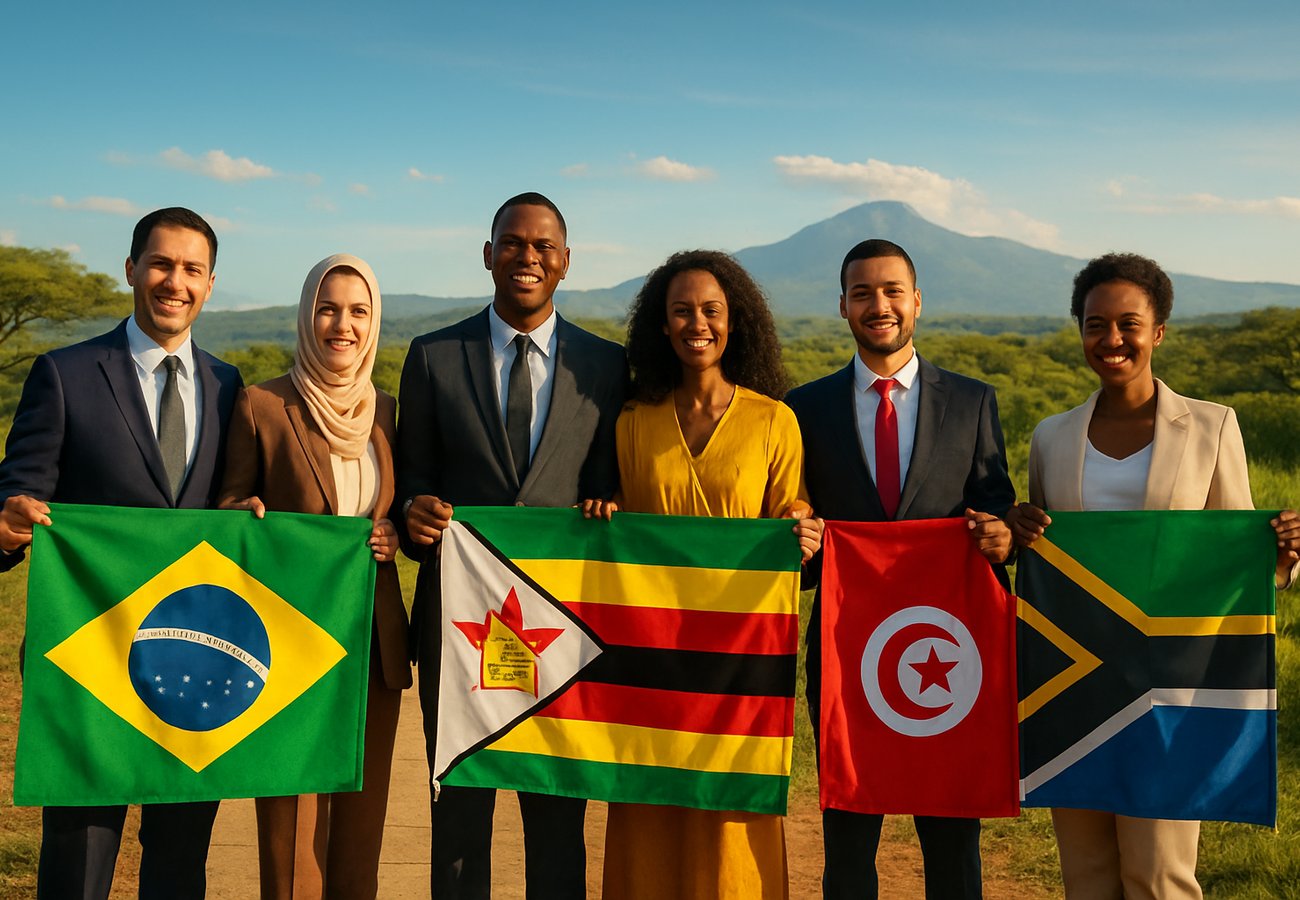
Image generated by AI
Brazil Joins Morocco, Zimbabwe, Ethiopia, Tunisia, and South Africa in Transforming Kenya's Tourism Sector Through Cutting-Edge AI Integration and Strategic Cultural Partnerships in 2026
A Historic Multi-Nation Alliance to Position Kenya as Africa's Premier Global Tourism Destination
In a groundbreaking move that signals a transformative shift in African tourism development, Brazil has officially joined Morocco, Zimbabwe, Ethiopia, Tunisia, and South Africa in a comprehensive partnership aimed at revolutionizing Kenya's tourism sector throughout 2026 and beyond. This unprecedented collaboration leverages cutting-edge artificial intelligence, strategic cultural exchanges, and cross-border tourism initiatives to position Kenya as one of the world's most compelling travel destinations.
The Genesis of a Tourism Revolution: Understanding the Partnership Framework
Kenya's tourism sector is experiencing a watershed moment as six nations converge to unlock unprecedented growth opportunities. The partnership extends far beyond conventional tourism marketing, encompassing technological innovation, sustainable practice integration, and grassroots cultural diplomacy. By combining Brazil's expertise in AI-driven tourism solutions with Africa's collective strength in authentic cultural experiences and wildlife conservation, the alliance addresses every dimension of modern travel demand.
This multi-faceted approach recognizes that contemporary travelers seek more than traditional attractions—they demand technological convenience, cultural authenticity, environmental responsibility, and transformative experiences. The partnership delivers precisely this integrated offering, positioning Kenya as a destination that satisfies both the practical and aspirational needs of international visitors.
Brazil's Strategic Role: AI Innovation Meets African Opportunity
Brazil's involvement represents a significant bridge between Latin American innovation and African tourism potential. The South American powerhouse brings substantial technological infrastructure and proven expertise in leveraging artificial intelligence to enhance tourism experiences at scale.
Through this partnership, Brazil is facilitating the integration of AI-powered systems that will fundamentally reshape Kenya's tourism infrastructure. These technological solutions include:
- Intelligent booking platforms that streamline reservation processes and reduce friction in the travel decision-making cycle
- Personalized travel recommendation engines that analyze visitor preferences and suggest customized itineraries
- Destination marketing optimization powered by real-time data analytics and emerging travel trend identification
- Visitor experience enhancement through AI-driven customer service systems and multilingual communication platforms
Brazil's tourism industry, renowned globally for its vibrant cultural heritage, world-class hospitality standards, and innovative service delivery models, serves as a direct reference point for Kenya's development strategy. The partnership enables Kenya to adopt proven best practices from a nation that successfully manages millions of annual international visitors while maintaining cultural authenticity and environmental sustainability.
Morocco: North African Excellence Informing East African Growth
Morocco's partnership with Kenya represents a critical knowledge transfer between two African nations with distinct but complementary tourism assets. As Africa's leading tourist destination by international arrival volume, Morocco offers invaluable institutional wisdom regarding destination branding, infrastructure development, and visitor experience management.
Morocco's tourism infrastructure—including world-class hospitality establishments, efficient transportation networks, and preservation of historical sites alongside modern amenities—demonstrates how developing nations can compete at the highest levels of the global tourism market. Cities like Marrakesh, with their seamless blend of ancient cultural heritage and contemporary tourism infrastructure, provide direct operational models for Kenya's own cultural destinations.
The visa-free travel agreement between Morocco and Kenya represents a practical manifestation of the partnership's commitment. This diplomatic arrangement facilitates:
- Increased bilateral tourism flows as travelers experience reduced barriers to exploring both nations
- Combined itinerary promotion positioning complementary experiences (Saharan desert culture alongside East African wildlife)
- Enhanced destination marketing leveraging shared promotion across European and North American markets where both nations compete for tourist attention
- Streamlined border procedures reducing friction points in the travel experience
Morocco's destination marketing professionals are collaborating directly with Kenyan tourism stakeholders to elevate Kenya's profile in international travel media, tourism trade shows, and digital marketing channels where perception shapes travel decisions.
Zimbabwe: Wildlife Conservation and Eco-Tourism Excellence
Zimbabwe's participation emphasizes the regional dimension of Kenya's tourism transformation. With Victoria Falls and Hwange National Park representing some of Africa's most spectacular natural attractions, Zimbabwe brings deep expertise in wildlife-based tourism, conservation-driven economic development, and eco-tourism operations.
The joint marketing campaigns between Kenya and Zimbabwe strategically highlight:
- Africa's unparalleled biodiversity across the region's interconnected ecosystems
- World-class safari experiences available across multiple countries, encouraging extended regional itineraries
- Conservation success stories demonstrating how tourism revenue directly funds environmental protection
- Authentic wildlife encounters that distinguish African experiences from nature tourism elsewhere globally
Zimbabwe's commitment to training Kenya's tourism workforce represents infrastructure investment with long-term impact. Specialized professional development programs in tour guide certification, hotel management, and hospitality operations elevate service standards across Kenya's tourism sector. This human capital investment directly enhances visitor satisfaction and encourages repeat visitation and positive word-of-mouth marketing.
Zimbabwe's community-based tourism initiatives provide Kenya with models for ensuring tourism benefits flow to local populations, building social license for tourism development and ensuring economic sustainability beyond government or corporate frameworks.
Ethiopia: Cultural Heritage and Historical Preservation
Ethiopia's role centers on cultural tourism development, a sector where Kenya possesses exceptional but underdeveloped assets. Ethiopia's UNESCO World Heritage Sites, preserved ancient civilizations, and vibrant contemporary cultural traditions demonstrate sophisticated approaches to integrating historical preservation with tourism development.
Through the partnership, Ethiopia and Kenya are organizing:
- Joint cultural festivals and exhibitions showcasing the artistic, musical, and culinary traditions of both nations
- Heritage site preservation initiatives applying Ethiopian expertise to Kenya's own historical landmarks
- Cross-border cultural tourism routes enabling visitors to experience complementary cultural experiences across East Africa
- Archival and documentation programs ensuring cultural knowledge is preserved alongside tourist infrastructure development
Ethiopia's experience developing cultural tourism while maintaining cultural authenticity provides crucial guidance as Kenya scales cultural experiences for international markets without compromising local community integrity.
Tunisia: North African Coastal and Sustainability Models
Tunisia's partnership contribution emphasizes sustainable tourism development and coastal tourism management. As a Mediterranean tourism destination managing millions of annual beach visitors while maintaining environmental standards, Tunisia offers direct operational experience relevant to Kenya's coastal development ambitions.
Tunisia's expertise supports Kenya's development of:
- Diani Beach and Lamu Island destinations leveraging best practices from Mediterranean coastal management
- Sustainable coastal tourism operations balancing visitor access with environmental protection
- Beach tourism infrastructure meeting international standards while respecting local community interests
- Eco-tourism programming integrating environmental education into visitor experiences
Tunisia's experience marketing to European and North American beach travelers directly informs Kenya's strategies for attracting similar visitor demographics to its own Indian Ocean coastline.
South Africa: Regional Integration and International Tourism Excellence
South Africa's partnership role encompasses regional tourism network development and international marketing sophistication. As Africa's most developed and internationally prominent tourism destination, South Africa brings extensive experience managing complex, multi-dimensional tourism operations at scale.
Table Mountain, Kruger National Park, and the Garden Route represent tourism products of comparable global significance to Kenya's Maasai Mara and Mount Kenya. South Africa's success marketing these attractions to international audiences provides direct benchmarking and strategic guidance.
The multi-destination travel initiative between Kenya and South Africa recognizes that affluent international travelers increasingly expect itineraries spanning multiple countries. By positioning Kenya alongside South Africa, the partnership enables:
- Extended African itineraries combining East and Southern African experiences
- Consolidated marketing efforts reaching international travelers planning extended African trips
- Joint promotional campaigns in key source markets (Europe, North America, Asia)
- Harmonized tourism standards across countries, reducing friction for regional travel
South Africa's extensive international tourism marketing experience, particularly in Europe and North America, directly elevates Kenya's visibility in markets where travel decisions are shaped by sophisticated marketing campaigns and travel media influence.
The AI Transformation: Technology Reshaping Kenya's Tourism Foundations
Artificial intelligence represents the technological foundation enabling Kenya's tourism transformation. Far beyond novelty technology, AI systems are fundamentally restructuring how travelers discover destinations, book experiences, and navigate their journeys.
The AI integration encompasses:
- Predictive analytics identifying emerging travel trends before they reach mainstream awareness, enabling Kenya to position itself ahead of demand curves
- Dynamic pricing optimization balancing revenue maximization with accessibility across diverse visitor segments
- Chatbot and virtual assistance systems providing 24/7 visitor support in multiple languages
- Sentiment analysis monitoring social media and travel platforms to understand visitor perception in real-time
- Recommendation engines suggesting complementary experiences that increase visitor spending and satisfaction
These technological systems aren't implemented in isolation—they're integrated within the cultural partnerships framework, ensuring technology enhances rather than commodifies the authentic experiences that define Kenya's tourism appeal.
Cultural Partnerships: Celebrating Diversity While Building Economic Opportunity
The cultural exchange dimension of the partnership recognizes that authentic cultural experiences increasingly motivate international travel. The orchestrated exchange of music, dance, culinary traditions, and artistic heritage between Kenya, Brazil, Morocco, Zimbabwe, Ethiopia, Tunisia, and South Africa creates multiple vectors for cross-cultural engagement.
Kenya's Maasai cultural traditions, artistic heritage, and contemporary music scene gain international exposure through partnership channels while Kenya's audiences simultaneously access the cultural richness of partner nations. This bidirectional exchange benefits tourism industries while advancing cultural diplomacy and international understanding.
Economic Impact and Development Trajectory
The partnership's economic implications extend far beyond tourism revenue. Enhanced international visitor flows directly increase foreign exchange earnings, support employment across hospitality, transportation, and service sectors, and generate tax revenues supporting infrastructure development and public services.
The 2026 timeframe represents an acceleration phase, with infrastructure investments, marketing campaigns, and technological implementations converging to position Kenya for substantially increased international visitation. Conservative projections suggest double-digit percentage increases in international arrivals, with corresponding revenue growth exceeding 20-30% depending on baseline comparisons.
Sustainability Integration: Growth With Environmental Responsibility
Critically, the partnership framework prioritizes sustainability alongside growth acceleration. All partner nations have incorporated environmental protection, community benefit distribution, and cultural preservation into partnership architecture. This approach recognizes that tourism sustainability—environmental, cultural, and economic—determines long-term viability.
Eco-tourism initiatives coordinated across partner nations establish conservation-based funding mechanisms where visitor spending directly finances habitat protection and wildlife management. Community-based tourism programming ensures local populations benefit from tourism development, building social license and distributing economic benefits beyond corporate entities.
Market Positioning and Competitive Differentiation
The partnership enables Kenya to compete at the highest levels of global tourism markets by offering integrated experiences unavailable through isolated destinations. Rather than positioning Kenya as a singular attraction, the partnership framework positions East Africa—led by Kenya—as a comprehensive tourism region offering wildlife, culture, natural wonders, and modern amenities.
This repositioning directly addresses competitive dynamics where prosperous international travelers increasingly opt for extended itineraries across multiple countries rather than single-destination vacations. By facilitating multi-destination African tourism, the partnership increases total spending per visitor and extends average trip duration.
Conclusion: A New Era for African Tourism Development
The Brazil-led partnership with Morocco, Zimbabwe, Ethiopia, Tunisia, and South Africa represents a paradigm shift in African tourism development. Rather than isolated national strategies, the collaboration demonstrates how regional coordination, international partnerships, and technological integration can transform tourism sectors simultaneously.
Kenya stands to benefit immensely from this partnership architecture. By 2026 and beyond, the convergence of cutting-edge AI systems, authentic cultural experiences, proven conservation models, and sophisticated international marketing should position Kenya as one of the world's premier travel destinations.
The partnership success ultimately depends on execution quality—whether technological systems integrate seamlessly, whether cultural programming authentically represents participating nations' heritage, and whether economic benefits distribute equitably across communities. If executed successfully, this partnership establishes a blueprint for African tourism development that other nations could adopt, fundamentally reshaping the continent's role in global tourism markets.
Key Takeaways
- Brazil joins Morocco, Zimbabwe, Ethiopia, Tunisia, and South Africa in comprehensive Kenya tourism partnership
- AI technology integration enhances booking systems, personalization, and destination marketing
- Visa-free travel agreements and joint marketing campaigns increase bilateral tourist flows
- Wildlife conservation and eco-tourism initiatives ensure sustainable development practices
- Cultural exchange programming celebrates authentic heritage while creating economic opportunity
- Multi-destination itineraries position Kenya within broader African tourism network
- Professional development programs elevate service standards across tourism workforce
- Partnership targets positioning Kenya as premier African destination by 2026
- Regional coordination demonstrates scalable model for African tourism development
- Sustainable practices balance growth with environmental protection and community benefit
Related Travel Guides
Disclaimer
This article is for informational and educational purposes only. It does not constitute legal, financial, or professional advice. While we strive to provide accurate and up-to-date information, travel policies, regulations, and conditions change rapidly. Always verify information with official sources before making travel decisions. Nomad Lawyer makes no representations about the accuracy, reliability, completeness, or suitability of the information provided. Readers should consult qualified professionals for advice specific to their circumstances. The views expressed in this article are those of the author and do not necessarily reflect the views of Nomad Lawyer.
Kunal K Choudhary
Co-Founder & Contributor
A passionate traveller and tech enthusiast. Kunal contributes to the vision and growth of Nomad Lawyer, bringing fresh perspectives and driving the community forward.
Learn more about our team →