
US Level 3 Travel Warning for Kenya as Nairobi Becomes Ebola Monitoring Hub in 2026
Washington has elevated Kenya to a Level 3 travel warning following the first imported Bundibugyo virus case, coinciding with plans for a US-led medical quarantine facility at Laikipia Air Base.

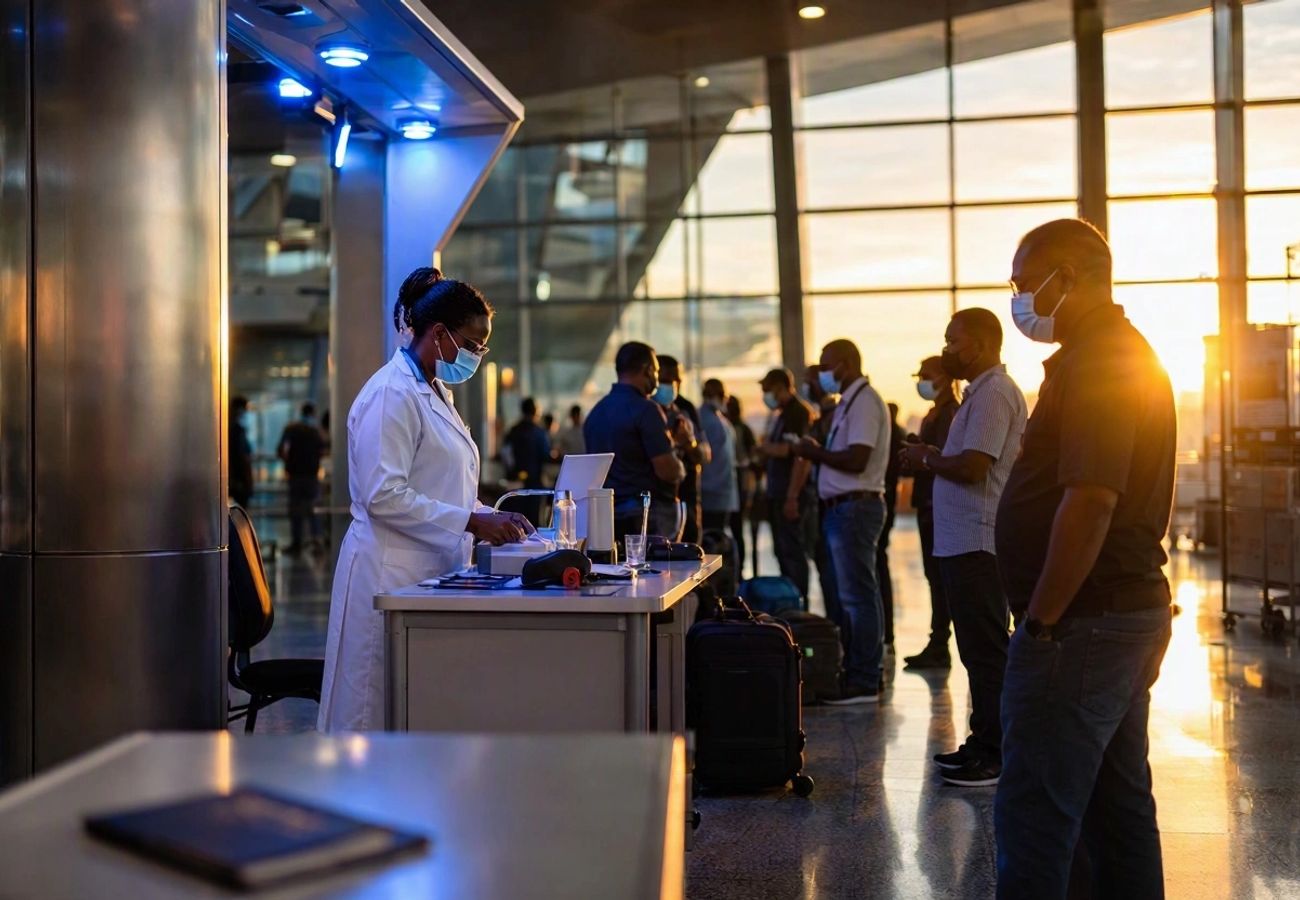
Image generated by AI
US travel advisories for Kenya have escalated to Level 3, a sharp increase from previous baseline security warnings, as the nation integrates into the American medical response to the Bundibugyo virus outbreak. This shift occurs simultaneously with the emergence of Nairobi as a strategic medical staging area for US citizens exposed to the virus in Central Africa, creating a contradictory environment where Kenya is both a restricted destination and a critical health infrastructure node.
The Bundibugyo Response in Numbers
The current health crisis in East Africa has transitioned from a regional concern to a direct impact on Kenyan soil. In October 2026, Kenya recorded its first imported case of Bundibugyo virus disease, originating from a traveler who transitioned from the Democratic Republic of the Congo (DRC) through Kampala before arriving in Nairobi. While the World Health Organization (WHO) maintains that global risk remains low, the internal Kenyan situation has evolved rapidly:
- Confirmed Cases: Following the index patient, a limited number of additional cases have been confirmed, though all are linked to the original transmission chain and were identified within quarantine.
- Workforce Readiness: Approximately 5,000 Kenyan healthcare professionals have undergone specialized training in the recognition and management of Ebola-family viruses.
- Infrastructure Scale: US military health documents reveal plans for a dedicated quarantine unit at Laikipia Air Base in Nanyuki, located 200 kilometers north of Nairobi.
- Screening Volume: Tens of thousands of travelers are currently being screened at land borders and high-traffic corridors between Kenya and Uganda.
Regional Health Posture and Regulatory Friction
The designation of Kenya as a logistics hub for the US is not without domestic conflict. The June 2026 Health Surveillance Update from the US Defense Health Agency confirmed that US troops were utilized to assist in the construction of the Laikipia facility. However, this project faced significant legal headwinds; the Kenyan health ministry was forced to halt construction after a court ruled the project in contempt for ignoring legal orders from local communities.
Despite this legal pause, the strategic intent remains. Kenya serves as the primary medical platform for those exposed to the outbreak in eastern Congo and Uganda. This creates a tiered system of movement where Kenya acts as a buffer zone, allowing exposed Americans to undergo medical monitoring closer to the source of the outbreak rather than risking immediate transit to the US.
Comparative Risk and Warning Levels (2026)
The following table illustrates the current disparity in travel warnings issued by US authorities for the affected region:
| Region/Country | US Travel Warning Level | Primary Driver | Screening Requirement |
|---|---|---|---|
| DR Congo (Affected Provinces) | Level 4 (Do Not Travel) | Active Bundibugyo Outbreak | Mandatory Health Screening |
| Kenya | Level 3 (Reconsider Travel) | Ebola Risk & Security | Targeted Airport Screening |
| Uganda | Level 2 (Exercise Caution) | Cross-border Transmission | Enhanced Precautions |
| South Sudan | Level 2 (Exercise Caution) | Incubation Monitoring | Mandatory Reporting |
What This Means for Travelers
For US citizens, the intersection of a Level 3 warning and the establishment of monitoring hubs changes the logistics of travel through East Africa. If you are routing through Jomo Kenyatta International Airport, you will encounter intensified screening protocols, including infrared thermometers and mandatory health questionnaires.
Actionable Booking and Travel Advice:
- Gateway Restrictions: Travelers returning to the US from the DRC, Uganda, or South Sudan are now funneled through specific gateway airports for enhanced screening. These include Atlanta, Chicago, New York, Washington, and Los Angeles.
- The 21-Day Rule: According to CDC guidelines, individuals who have spent 21 days outside of outbreak zones without developing symptoms may request adjustments to travel restrictions, but full disclosure of exposure history is mandatory upon re-entry.
- Transit Risk: While the risk to casual tourists in Nairobi remains low, any traveler with a history of visiting eastern Congo or Uganda should expect significant delays and potential mandatory isolation.
- Documentation: Carry verified vaccination and health records. While there is no vaccine for Bundibugyo, having a documented health history speeds up the screening process at Jomo Kenyatta International Airport.
Forward Projection: The Hub Model
The trajectory suggests that the US will continue to rely on "regional staging" to prevent the importation of viral threats into domestic airports. Even with the construction pause at Laikipia Air Base, the shift toward using Kenya as a medical filter is a permanent change in US regional strategy. We expect to see an increase in bilateral health agreements between the US and Kenya, potentially leading to more permanent medical facilities that serve as "clean rooms" for returning diplomatic and aid personnel.
As the International Air Transport Association (IATA) continues to monitor the impact on aviation, Nairobi's role as a hub between Central Africa and Europe will likely see a temporary dip in transit volume as travelers opt for routes that bypass Level 3 warning zones.
FAQ: Kenya Ebola Hub 2026
Will flight prices to Nairobi increase due to the Level 3 warning? Typically, Level 3 warnings lead to a decrease in demand, which can lower prices in the short term. However, increased screening costs and operational overhead for airlines may offset these gains.
Is it safe to visit Nairobi for tourism right now? The WHO reports no evidence of sustained community spread. Risk is concentrated among those with direct contact with symptomatic individuals. Routine tourism remains viable, provided you avoid outbreak-affected provinces in neighboring countries.
Which airports should I use when returning to the US? If you have been in the DRC, Uganda, or South Sudan, you must use designated gateways: Atlanta, Chicago, New York, Washington, or Los Angeles for mandatory health screenings.
What happens if I am flagged during screening in Nairobi? You will be directed to a referral pathway for isolation and testing. Kenya has established designated gate systems and isolation units to manage suspected cases without disrupting general airport operations.
The tension between Kenya's role as a medical shield and its status as a restricted destination defines the new era of bio-security in global travel.
Related Travel Guides
Disclaimer
This article is for informational and educational purposes only. It does not constitute legal, financial, or professional advice. While we strive to provide accurate and up-to-date information, travel policies, regulations, and conditions change rapidly. Always verify information with official sources before making travel decisions. Nomad Lawyer makes no representations about the accuracy, reliability, completeness, or suitability of the information provided. Readers should consult qualified professionals for advice specific to their circumstances. The views expressed in this article are those of the author and do not necessarily reflect the views of Nomad Lawyer.
Raushan Kumar
Founder & Lead Developer
Full-stack developer with 11+ years of experience and a passionate traveller. Raushan built Nomad Lawyer from the ground up with a vision to create the best travel and law experience on the web.
Learn more about our team →