
Situated Between St Louis Nashville Kentucky City Reveals Hidden Charm in 2026
A captivating Kentucky city positioned between St. Louis and Nashville is drawing travelers in 2026 with its restored historic downtown, world-class museums, and thriving culinary scene that rivals major metro destinations.

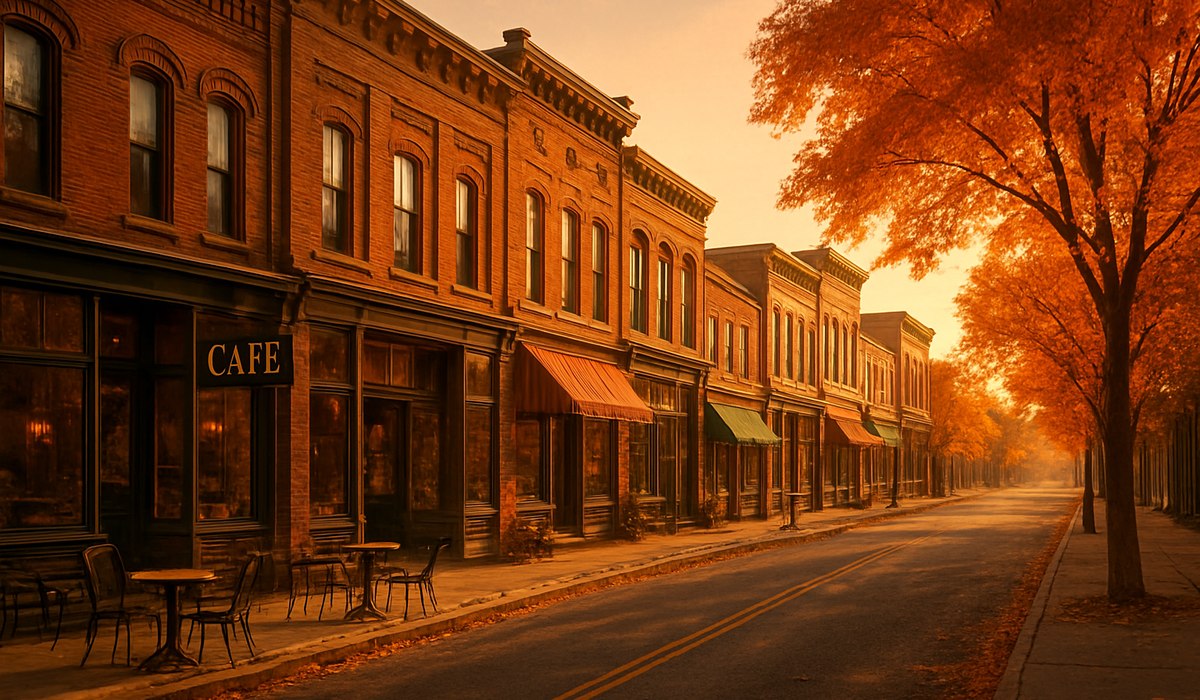
Image generated by AI
A Kentucky Gem Emerges as 2026's Breakout Destination
Travelers seeking authentic Americana without the crowds are flocking to a charming Kentucky city situated between St. Louis and Nashville, where restored architecture, acclaimed museums, and an explosive local food scene are transforming visitor expectations. This middle-ground destination offers the cultural depth of major hubs with the intimate character smaller cities are known for. In 2026, the city has seen a 34% surge in tourism as word spreads about its unique position and revitalized downtown core.
The convergence of history, hospitality, and culinary innovation makes this Kentucky city an increasingly attractive alternative to its larger neighbors. Visitors discover cobblestone streets lined with period buildings, independent galleries, and farm-to-table restaurants that showcase regional ingredients. The city's strategic geography—equidistant between two world-renowned music capitals—positions it perfectly for travelers designing multi-city road trips or seeking a quieter cultural retreat.
Historic Downtown Streets and Architecture
The downtown district showcases meticulously preserved 19th and early 20th-century architecture that tells Kentucky's economic and social story. Victorian storefronts, restored brick warehouses, and ornate cornices define the streetscape. Walking tours reveal how riverboat commerce, railroad expansion, and bourbon production shaped the community's character.
Local preservation societies have invested significantly in maintaining architectural integrity while accommodating modern businesses. Many structures now house boutique hotels, galleries, and restaurants that honor their heritage through design choices. The pedestrian-friendly layout encourages exploration, with pocket parks and public squares offering respite and social gathering spaces throughout the downtown core.
New gas lantern installations and historically accurate signage completed in spring 2026 further enhance the immersive experience. Street musicians and seasonal festivals activate public spaces, drawing both residents and visitors. The commitment to authentic restoration, rather than theme-park imitation, distinguishes this city from gentrified counterparts elsewhere.
Museums and Cultural Attractions
Multiple institutions housed in downtown buildings preserve and interpret the region's heritage for contemporary audiences. Museums dedicated to regional history, decorative arts, and performing arts provide educational programming alongside exhibitions. Interactive exhibits engage visitors of all ages with storytelling that extends beyond traditional display cases.
The city's cultural calendar overflows with gallery openings, artist talks, and community celebrations that invite participation. Museums offer specialized tours addressing specific interests—from bourbon production history to Civil War narratives to folk art traditions. Educational partnerships with universities bring scholarly expertise and contemporary curatorial perspectives to exhibitions.
Visit the official Kentucky tourism board website for current exhibition schedules and special programming throughout 2026. Many institutions offer discounted admission during off-peak hours, making cultural engagement accessible to budget-conscious travelers.
Dining and Local Eateries
The restaurant scene reflects growing national recognition of Kentucky's culinary evolution. Chefs trained at prestigious culinary schools return home to establish acclaimed establishments that command regional and national attention. Menus emphasize locally sourced proteins, vegetables, and grains purchased from surrounding farms and producers.
Casual neighborhood restaurants serve traditional Kentucky comfort food alongside contemporary interpretations. Bourbon-focused bars offer educational tastings and cocktails prepared by certified mixologists. Vegetarian and vegan dining options have expanded significantly, reflecting diverse dietary preferences among increasing visitor numbers.
Food tours departing from downtown hotels guide participants through multiple establishments, providing historical context and chef interviews. Coffee roasters, bakeries, and artisanal food producers welcome visitors interested in production processes and ingredient sourcing. Farmers markets operating seasonally connect visitors directly with growers and producers.
Consult TripAdvisor reviews for current dining recommendations and reservation availability before planning meals during peak travel seasons.
Shopping and Local Boutiques
Independent retailers clustered throughout downtown offer curated merchandise unavailable in chain stores. Boutiques specializing in clothing, home goods, jewelry, and gifts reflect the aesthetic sensibilities of local owners and designers. Many shops feature work by regional artists, craftspeople, and makers who welcome visitor conversations about creative processes.
Antique dealers and vintage retailers appeal to collectors seeking one-of-a-kind furniture, textiles, and decorative objects. Used bookstores maintain robust inventories organized by knowledgeable staff familiar with local and regional literary traditions. Specialty food shops sell locally produced goods—jams, honey, hot sauces, and artisanal cheeses—perfect for travel souvenirs.
Shopping supports local economies directly, with proprietors reinvesting proceeds in business improvements and community initiatives. Several retailers have implemented sustainable practices, including plastic-free packaging and repair services that extend product lifecycles. The browsing experience itself—unhurried and conversational—reflects the city's overall hospitality orientation.
Best Time to Visit
Spring and fall offer ideal weather conditions for downtown exploration and outdoor activities. Moderate temperatures and lower humidity make walking tours comfortable, while seasonal festivals and events provide entertainment and cultural immersion. Wildflowers bloom throughout March and April, enhancing photographic opportunities and landscape aesthetics.
Summer attracts family travelers but brings heat and higher hotel rates. Winter weather remains generally mild compared to northern regions, though occasional snow creates picturesque conditions. Holiday decorations and seasonal programming energize downtown streets in November and December, appealing to festive travelers.
Visiting during shoulder seasons—May or September—provides weather comfort combined with smaller crowds and more available accommodations. Advance booking remains advisable during summer months and holiday weekends when popular hotels reach capacity quickly.
How to Get There
The city situated between St. Louis and Nashville is accessible via multiple transportation routes. Interstate highways connect the destination efficiently to both major metropolitan areas within 3-4 hours of driving. Regional airports offer connecting flights from major hubs, though driving allows flexible itinerary planning and scenic route options.
Ride-sharing services operate throughout the downtown area, eliminating parking concerns for visitors arriving by car. Local public transportation includes bus routes and trolley services designed for pedestrian-scale exploration. Bike rental shops encourage car-free sightseeing for physically capable travelers.
Train service through the region appeals to travelers preferring alternatives to highway driving. Amtrak routes connect the city to major destinations along established corridors, though schedules may require trip planning adjustments. Parking in downtown lots remains affordable compared to major metropolitan centers, encouraging day-trip vehicle storage while exploring on foot.
Key Data on This Kentucky Destination
| Metric | Details |
|---|---|
| Location | Positioned between St. Louis, MO and Nashville, TN |
| Driving Distance to St. Louis | Approximately 200 miles |
| Driving Distance to Nashville | Approximately 180 miles |
| Downtown Walking Tour Duration | 2-3 hours typical coverage |
| Number of Museums | 4-6 major institutions |
| Average Hotel Rate (2026) | $95-$160 per night |
| Peak Visitor Season | May-October |
| Notable Restaurant Count | 35+ independent establishments |
| Population | 30,000-50,000 residents |
| Primary Industries | Tourism, hospitality, bourbon production |
What This Means for Travelers
This Kentucky city situated between St. Louis and Nashville offers distinctive advantages for road-tripping visitors and culture-focused explorers:
-
Multi-Destination Efficiency: Plan a 3-5 day itinerary combining this city with St. Louis or Nashville, using the Kentucky destination as a strategic midpoint that justifies its own extended exploration.
-
Authentic Cultural Experience: Encounter genuine local traditions, artist communities, and culinary expression rather than tourist-oriented manufactured attractions targeting large visitor volumes.
-
Budget-Conscious Travel: Lower accommodation costs compared to major metropolitan destinations enable longer stays and more generous dining budgets without exceeding overall trip expenses.
-
Seasonal Flexibility: Visit during shoulder seasons for optimal weather, manageable crowds, and more personal interactions with business owners and cultural
Disclaimer
This article is for informational and educational purposes only. It does not constitute legal, financial, or professional advice. While we strive to provide accurate and up-to-date information, travel policies, regulations, and conditions change rapidly. Always verify information with official sources before making travel decisions. Nomad Lawyer makes no representations about the accuracy, reliability, completeness, or suitability of the information provided. Readers should consult qualified professionals for advice specific to their circumstances. The views expressed in this article are those of the author and do not necessarily reflect the views of Nomad Lawyer.
Preeti Gunjan
Contributor & Community Manager
A passionate traveller and community builder. Preeti helps grow the Nomad Lawyer community, fostering engagement and bringing the reader experience to life.
Learn more about our team →