
US Maintains Level 1 Travel Advisory for Kazakhstan in 2026 Review
Kazakhstan retains the lowest travel advisory classification in the updated US Department of State travel advisory system in the region in August 2026.

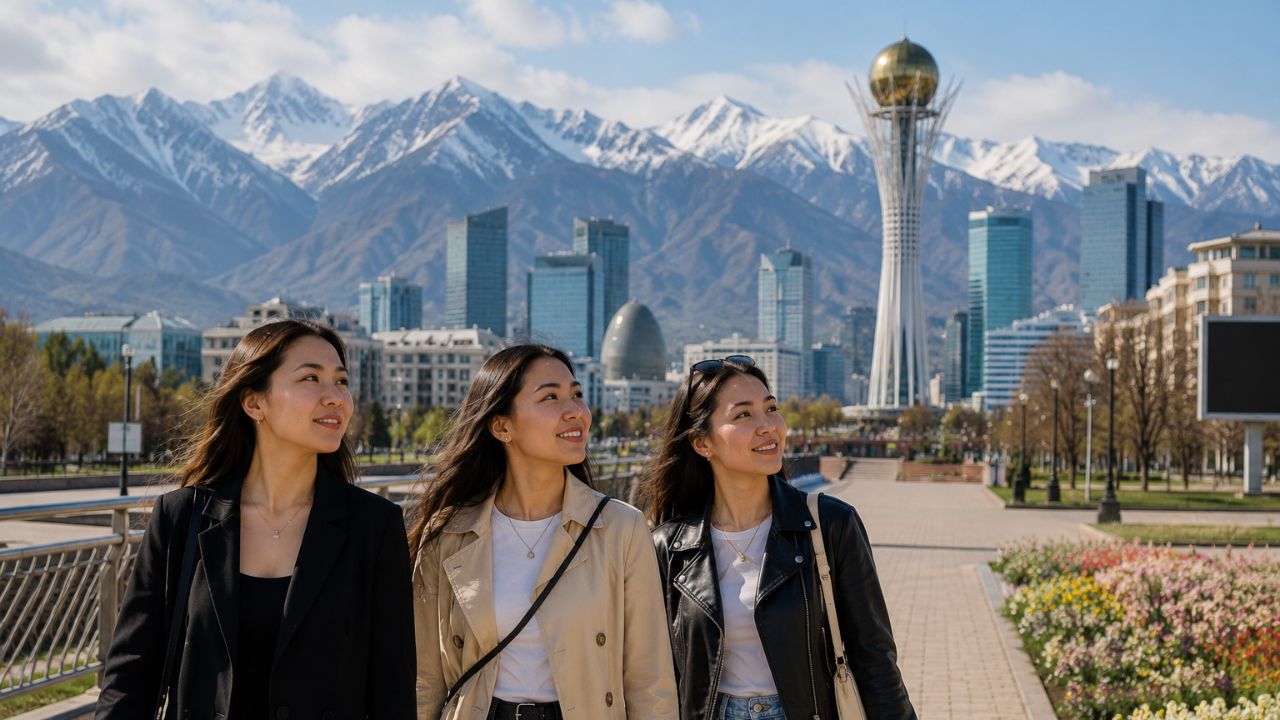
Image generated by AI
The U.S. Department of State has maintained Kazakhstan at Level 1 – Exercise Normal Precautions, its lowest travel advisory tier, in an official safety review updated on August 18, 2026. While travel remains generally safe, American travelers are advised to familiarize themselves with strict local drug laws, zero-tolerance drink-driving limits, and regional weather risks like flooding.
The international travel market is observing a significant realignment, with consular agencies updating security advisories to guide outbound passengers during shifting global conditions. In its latest evaluation, the U.S. Department of State maintained Kazakhstan's safety rating at the lowest tier of its international warning system. The advisory update, finalized on August 18, 2026, advises American travelers to exercise normal precautions. This classification indicates that the destination is generally stable, but visitors must remain aware of local regulations, regional environmental conditions, and differences in emergency response capabilities compared with their home country.
For the traveler, the real impact of the Level 1 safety advisory is the opportunity to plan trips with confidence, supported by favorable visa policies. U.S. citizens traveling for 30 days or less do not require a tourist visa to enter the country, simplifying travel logistics for leisure and business groups.
The US Travel Advisory System and Global Comparisons
The consular advisory categorizes nations based on safety assessments, establishing a clear framework for international travel planning:
- Advisory Categories: The State Department operates a four-tier warning system. Level 1 recommends normal precautions, Level 2 calls for increased caution, Level 3 advises travelers to reconsider travel, and Level 4 warns against travel.
- Kazakhstan's Safety History: The country has consistently maintained its low-risk status, holding a Level 1 classification during previous security reviews in August 2024.
- Consular Classifications: Other countries listed at Level 1 include Japan, Slovakia, Slovenia, and Switzerland, which was reviewed on 14 August 2026.
- Regional Safety Differences: Popular destinations, including Spain, Sweden, Türkiye, and the United Kingdom, are currently classified at Level 2, requiring American travelers to exercise increased caution.
Understanding these advisory levels helps travelers prepare for destination-specific conditions rather than assuming neighboring countries share identical rules.
Compliance with Strict Local Legislation
A low travel advisory level does not remove the need for visitors to respect the national legal system, which contains strict rules:
- Identification Mandates: Visitors must carry their passport or a certified copy. Local authorities can request identification, and failing to provide it can result in detention.
- Photography Limitations: Taking photos of government buildings, military sites, and sensitive infrastructure is prohibited and can lead to detention or fines.
- Zero-Tolerance Traffic Laws: The country applies a strict 0.00% blood-alcohol limit for drivers. Operating a vehicle after consuming any alcohol can lead to immediate arrest. To enforce the 0.00% blood-alcohol limit, Kazakh police regularly set up random checkpoints in both urban intersections and rural highways, using highly sensitive breathalyzer tests. Any presence of alcohol in the bloodstream, even from small amounts found in cough syrup or mouthwash, is treated as a major traffic violation. Drivers found in violation face immediate administrative arrest of up to 15 days and a suspension of driving privileges for seven years. American travelers renting cars to visit sites like Charyn Canyon should rely on registered taxi services or designated drivers to avoid severe legal penalties. The strict enforcement of this law reflects Kazakhstan's efforts to reduce road accidents and improve public transit safety across its extensive highway network.
- Drug Laws and Pharmaceuticals: Drug offenses carry severe criminal penalties, including long prison sentences. Travelers carrying prescription medicine must keep pills in original packaging with the prescription and verify that the substances are registered locally.
- Weather and Natural Risks: The updated advisory notes that the country regularly experiences seasonal flooding, urging travelers to check regional weather forecasts.
Travelers are subject to local laws while in the country, and claims of being unaware of legal restrictions are not accepted by local courts.
Healthcare Options and Emergency Evacuation
Consular authorities advise travelers to review medical services and secure health insurance before departure:
- Urban vs. Rural Services: Medical facilities in major cities like Almaty and Astana are functional, but rural clinics can be limited and fall below U.S. standards.
- Financial Policies: Hospitals and doctors often require cash payments, and credit card facilities may not be available for emergency treatment.
- Insurance Coverage: Standard U.S. government programs like Medicare do not cover overseas medical costs. Travelers are encouraged to buy private policies that include emergency medical evacuation.
Preparing for medical needs is essential for adventure travelers visiting remote national parks or mountain ranges.
Ecotourism and Community Support in Kazakhstan
Promoting low-impact travel habits is key to protecting Central Asia's delicate wilderness and supporting local populations. For the traveler, the real impact of the Level 1 status is the confidence to practice slow travel. By choosing the passenger train network operated by Temir Zholy to travel between Almaty and Astana instead of booking short-haul flights, visitors reduce carbon emissions.
Travelers can support local economies by staying at family-run guesthouses in Saty village near the Kolsai Lakes and purchasing handcrafted felt carpets ("syrmaks") directly from rural artisans. This spending helps ensure that tourism revenues support rural families, keeping traditional crafts alive. Furthermore, travelers can support nature conservation by visiting the Altyn-Emel National Park, which employs local park rangers and wildlife tracking teams. Hiring regional guides to explore the Singing Dunes or the multi-colored Aktau mountains ensures that tourism spending directly funds biodiversity protection. This community support helps prevent illegal poaching and supports sustainable pasture management among local nomadic herding families. Furthermore, respecting environmental regulations in national parks (like Ile-Alatau National Park) and avoiding single-use plastics helps protect fragile mountain biomes.
Destination Specialist Local Insider Tips
To help you explore Kazakhstan safely and comfortably, regional specialists suggest the following tips:
- Take the Temir Zholy Night Train: Practice slow travel by riding the overnight train between Almaty and Astana to experience local scenery and reduce emissions.
- Savor Beshbarmak and Baursaks: Experience Central Asian gastronomy. Order traditional Beshbarmak (boiled meat over flat noodles with onions) or fresh, puffy Baursaks (fried dough).
- Carry a Passport Copy at All Times: Local police may request identification; always carry your physical passport or a certified copy.
- Strictly Observe the 0.00% BAC Rule: Never drive after consuming any amount of alcohol, as road checkpoints apply zero tolerance.
- Check Prescription Drug Legality: Ensure any personal medicine is registered and permitted in Kazakhstan before packing.
Long-Term Outlook for Central Asian Travel
The long-term outlook for Kazakhstan's tourism sector, international travel safety collaborations, and regional infrastructure development remains highly positive, supported by the integration of regional rail links, visa exemptions, and sustainable infrastructure programs. By maintaining low entry barriers for stays under 30 days, the Ministry of Tourism and Sports is encouraging stable visitor growth.
As interest in adventure travel continues to grow in 2026, the collaboration between immigration boards, transport planners, and conservation bodies will remain essential. This balanced approach protects the regional environment, supports local businesses, and ensures that the country remains an appealing and safe destination for future generations of global travelers.
Related Travel Guides
Disclaimer
This article is for informational and educational purposes only. It does not constitute legal, financial, or professional advice. While we strive to provide accurate and up-to-date information, travel policies, regulations, and conditions change rapidly. Always verify information with official sources before making travel decisions. Nomad Lawyer makes no representations about the accuracy, reliability, completeness, or suitability of the information provided. Readers should consult qualified professionals for advice specific to their circumstances. The views expressed in this article are those of the author and do not necessarily reflect the views of Nomad Lawyer.
Preeti Gunjan
Contributor & Community Manager
A passionate traveller and community builder. Preeti helps grow the Nomad Lawyer community, fostering engagement and bringing the reader experience to life.
Learn more about our team →