
Kazakhstan Tourism Boom: Australian Travelers Shift to Silk Road Routes in 2026
Australian travelers are increasingly bypassing traditional European routes for Kazakhstan, driven by a surge in Silk Road itineraries and record visitor numbers in Almaty and Astana.

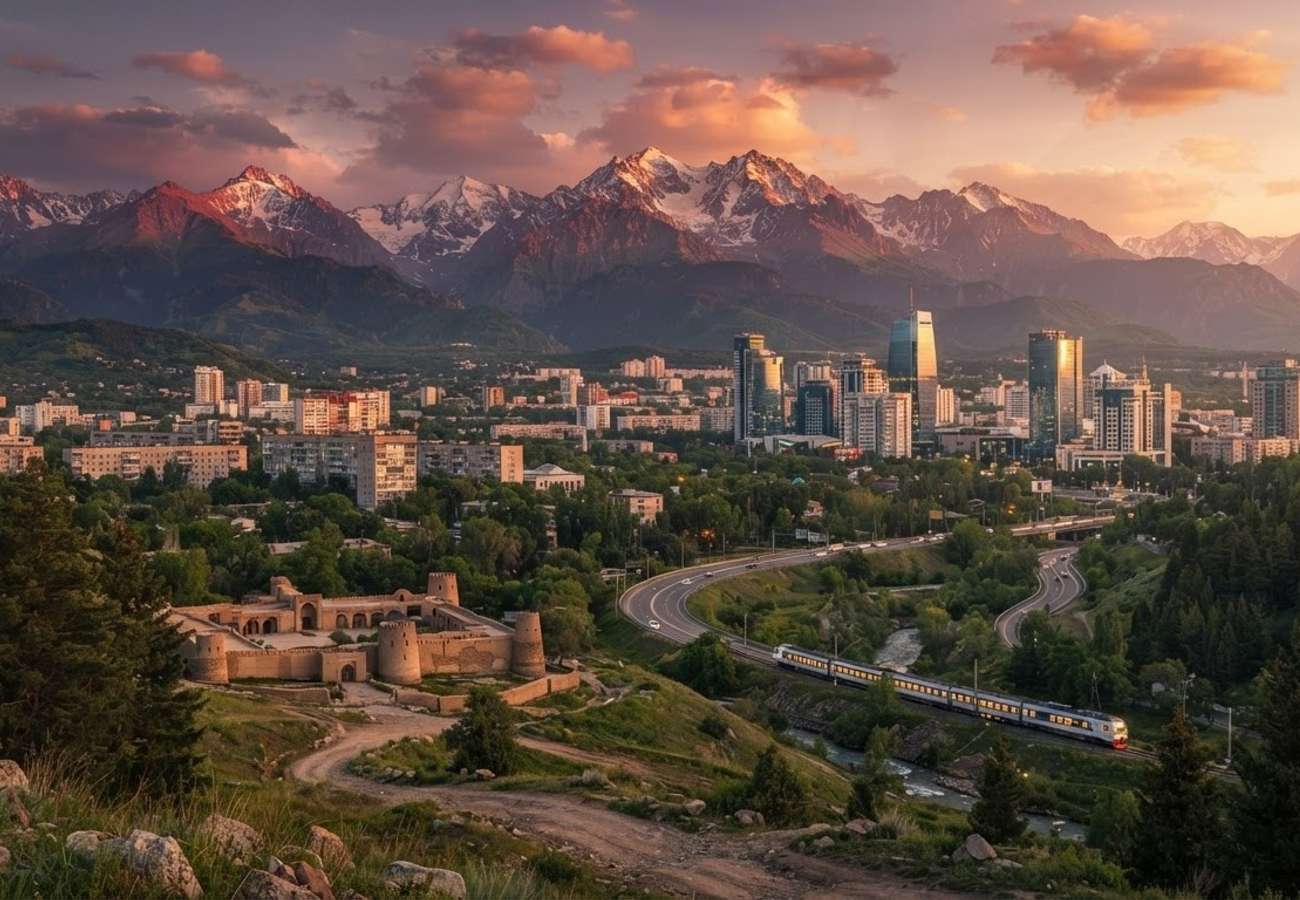
Image generated by AI
Australian outbound travel patterns are shifting toward Central Asia, with Kazakhstan emerging as a primary destination for those seeking alternatives to overcrowded European capitals.
Central Asian Tourism Surge and Urban Growth
Kazakhstan is currently repositioning itself as a high-growth hub for international arrivals, specifically attracting long-haul travelers from Australia. This shift is characterized by a move away from traditional resort-heavy destinations toward "authentic" and culturally distinctive experiences.
Official 2024 statistics highlight a significant increase in tourism consumption, with urban centers recording record-breaking numbers. Almaty has solidified its role as the regional leisure and business gateway, welcoming 2.3 million visitors. Simultaneously, the capital, Astana, reported approximately 1.5 million tourist visits, representing a year-on-year increase of more than 10 percent.
This growth is not limited to urban centers. The Kazakh government is actively diversifying its economy away from energy exports by investing in hospitality and infrastructure across mountain zones, eastern and southern lakes, and historic Silk Road caravan sites.
Silk Road Transit and Route Specifications
The primary driver for Australian interest is the "Five Stans" itinerary—multi-country journeys spanning Kazakhstan, Uzbekistan, Kyrgyzstan, and Tajikistan. These trips typically range from 20 to 30 days, catering to high-spending, time-rich visitors.
A key development in regional connectivity is the Zhibek Zholy tourist train, launched in 2024. This service provides a curated five-day transit experience connecting Almaty to Tashkent, Uzbekistan.
Primary Transit Hubs and Route Data
| Hub/Route | 2024 Visitor Volume | Primary Focus | Key Infrastructure Update |
|---|---|---|---|
| Almaty | 2.3 Million | Leisure, Skiing, Trekking | 100km+ of upgraded hiking trails |
| Astana | 1.5 Million | Business, Architecture | Futuristic landmarks & event forums |
| Zhibek Zholy Train | N/A (Route) | Cross-border Transit | Almaty to Tashkent (5-day journey) |
| Mangystau | N/A (Region) | Adventure, Nature | Remote canyon & rock formation access |
Traveler Logistics Guide: Navigating Central Asia
From a ground-level perspective, the best way to navigate Kazakhstan and the wider Silk Road region is through a combination of curated rail and flexible road corridors. For Australian travelers, the lack of direct flights remains the primary logistical hurdle.
Optimal Connection Strategies Since direct flights from Australia are unavailable, the most efficient transit paths are one-stop connections through global hubs:
- Middle East: Dubai (DXB) or Abu Dhabi (AUH)
- Eurasia: Istanbul (IST)
- Asia-Pacific: Singapore (SIN) or Seoul (ICN)
Ground Transit and Customs The region has implemented visa simplifications and e-registration systems to facilitate easier border crossings between Kazakhstan, Kyrgyzstan, and Uzbekistan. Travelers should utilize these digital portals prior to arrival to avoid delays at land borders.
Local Navigation Tips
- Payment Systems: Major cities like Almaty and Astana now support contactless transport and international payment providers.
- Accommodation: While mid-range hotels are increasing in cities, rural areas rely on guesthouses and yurts. Booking these in advance is essential during the summer peak.
- Activity Hubs: For those visiting Almaty, the Medeu skating rink and Shymbulak ski resort provide high-standard infrastructure for winter sports and summer trekking.
Infrastructure and Regional Impact
The expansion of Kazakhstan's tourism sector is creating a ripple effect across Central Asia. By leveraging "Silk Road" branding, Kazakhstan is not only attracting more visitors but is also acting as a transit point for overland expeditions extending into the Caucasus or Mongolia.
The investment in over 100 kilometers of hiking trails in 2024 and the modernization of museum and heritage sites indicate a long-term strategy to move beyond niche tourism. However, capacity remains a challenge; secondary cities and rural corridors often experience infrastructure strain during the summer peak, suggesting that future growth will depend on expanding hospitality capacity outside the primary hubs of Almaty and Astana.
Central Asia is no longer a specialist niche, but a viable alternative for the experienced global traveler.
Related Travel Guides
Disclaimer
This article is for informational and educational purposes only. It does not constitute legal, financial, or professional advice. While we strive to provide accurate and up-to-date information, travel policies, regulations, and conditions change rapidly. Always verify information with official sources before making travel decisions. Nomad Lawyer makes no representations about the accuracy, reliability, completeness, or suitability of the information provided. Readers should consult qualified professionals for advice specific to their circumstances. The views expressed in this article are those of the author and do not necessarily reflect the views of Nomad Lawyer.
Preeti Gunjan
Contributor & Community Manager
A passionate traveller and community builder. Preeti helps grow the Nomad Lawyer community, fostering engagement and bringing the reader experience to life.
Learn more about our team →