
Kashmir Tourism Recovery Accelerates With Strategic 2026 Reopening
Kashmir's government executes calibrated reopening strategy in 2026, prioritizing major destinations like Pahalgam and Gulmarg to restore traveler confidence following security enhancements and regional outreach efforts.

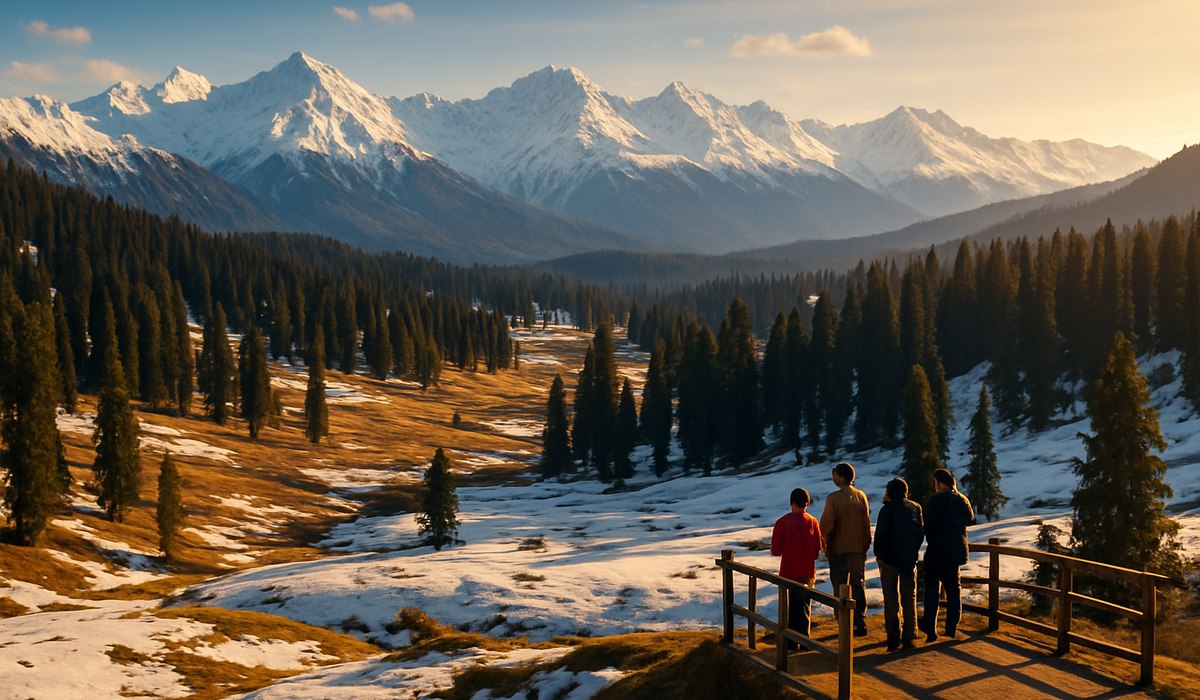
Image generated by AI
Kashmir's Strategic Tourism Reopening Marks Turning Point for 2026
Kashmir's administration is aggressively reopening major tourist destinations in 2026 to rebuild traveler confidence following heightened security protocols and comprehensive regional outreach campaigns. Government officials have confirmed that high-traffic destinations including Pahalgam, Gulmarg, and Srinagar's Tulip Garden are now fully operational with enhanced safety measures. This calibrated reopening strategy represents a watershed moment for Kashmir tourism recovery, signaling to both domestic and international travelers that the region is ready to welcome visitors with renewed confidence and improved infrastructure.
The reopening initiative moves beyond symbolic gestures—it represents a data-driven approach to destination recovery that prioritizes visitor-volume impact. Local administrators have emphasized that keeping premier attractions closed inadvertently reinforces negative perceptions, whereas visible reopening of beloved destinations directly counters fear-based travel hesitation across source markets.
Calibrated Security and Reopening Strategy
Kashmir's government adopted a phased reopening blueprint that balances rigorous security audits with gradual destination activation. Rather than rushing all locations simultaneously, authorities implemented a methodology focused on high-footfall venues first—maximizing positive impact on regional tourism sentiment.
Security enhancements have been comprehensive. Teams conducted full-scale audits across major attractions, implementing access protocols, communication systems, and emergency response infrastructure. The strategy deliberately avoids over-securitization that might deter leisure travelers while maintaining standards that genuinely protect visitor safety.
Officials stressed that maintaining closure of beloved destinations creates perception problems worse than the original incidents. By reopening Pahalgam's scenic valleys, Gulmarg's meadows, and Srinagar's famous gardens with visible security improvements, the administration sends market signals that Kashmir tourism recovery is genuine and sustainable. This approach has already generated measurable booking increases from gateway cities. Visit the Jammu & Kashmir Tourism official website for current destination status and reopening timelines.
Regional Market Recovery and Outreach Initiatives
Kashmir's tourism recovery strategy extends beyond physical reopenings—it includes aggressive market-development campaigns across India's largest leisure-travel regions. Government teams conducted direct outreach in Gujarat, West Bengal, and Maharashtra, engaging travel agencies, hospitality partners, and media stakeholders to rebuild market confidence.
Early 2026 data shows measurable response from these source markets. Tourist arrivals are climbing as the new travel season progresses, with particular strength from returning visitors familiar with Kashmir's pre-incident appeal. Transport services have resumed normal schedules, and occupancy rates at major hotels show upward momentum compared to 2025 figures.
The outreach strategy recognized that Kashmir tourism recovery depends on regional travelers—not just international tourists. By prioritizing gateway cities with proven travel volume, authorities target the most responsive market segments. These initiatives have yielded early booking confirmations and multi-day itinerary commitments from family groups and leisure clusters that typically represent high-season tourism revenue. TripAdvisor's Kashmir destination page provides current traveler reviews and updated facility information.
Destination Priorities for Maximum Impact
Kashmir's reopening blueprint strategically prioritizes destinations based on visitor volume and cultural significance rather than security ease. Three locations anchor this strategy:
Pahalgam remains Kashmir's premier leisure destination, offering alpine meadows, river activities, and cultural heritage experiences. The town's full reopening signals that Kashmir's core tourism infrastructure functions normally.
Gulmarg draws adventure travelers, golfers, and snow-sport enthusiasts. Its reopening demonstrates that diverse tourism segments—not just cultural tourists—are welcomed back to Kashmir.
Srinagar's Tulip Garden serves as accessible, high-volume urban attraction. Early-season bloomings attract photography enthusiasts and families, providing confidence-building entry points for hesitant travelers.
This tiered approach maximizes psychological impact. Travelers hearing about Pahalgam reopening understand Kashmir's recovery is substantial. The government explicitly rejected reopening "easiest-to-secure" secondary sites first, recognizing that tourism confidence rebuilds through visibility and volume, not logistics convenience.
Booking and Occupancy Indicators
Real market data supports optimistic recovery projections. Hospitality occupancy across Srinagar, Pahalgam, and Gulmarg shows month-over-month improvements throughout spring 2026. Transport operators report near-normal booking loads for valley routes, with particular strength in multi-day packages.
Tour operators confirm that booking windows are expanding—travelers booking 4–6 weeks ahead rather than last-minute arrangements, suggesting restored confidence in stability. Group bookings from corporate and educational sectors have resumed, providing steady revenue streams beyond leisure travelers.
Airfare availability and pricing from major gateway cities (Delhi, Mumbai, Bangalore) show normalization, with competitive routes supporting increased passenger throughput. These infrastructure indicators—combined with occupancy data—suggest Kashmir tourism recovery is self-reinforcing: visible reopening drives bookings, occupancy justifies expanded services, and expanded services support higher volumes.
Best Time to Visit Kashmir
Kashmir's tourism calendar divides into distinct seasons, each offering unique experiences for different traveler profiles:
Spring (March–May): Meadows bloom with tulips and wildflowers; temperatures range 12–20°C. Pahalgam and Gulmarg are ideal for trekking and cultural exploration. This is peak season for family groups and photography enthusiasts.
Summer (June–August): Warmest period with temperatures 18–28°C. Perfect for adventure activities, houseboating, and multi-day treks. Valley accepts maximum visitor volumes during these months.
Autumn (September–October): Clear skies, comfortable temperatures (10–20°C), and fewer crowds. Ideal for experienced travelers seeking solitude and trekking challenges.
Winter (November–February): Snow transforms Gulmarg into premier ski destination; temperatures drop below freezing. Limited valley access, but essential for winter-sport enthusiasts and adventure seekers.
2026's spring and early summer represent optimal timing for tourism recovery participation, offering comfortable weather, active hospitality infrastructure, and visible evidence of Kashmir tourism recovery.
How to Get There
By Air: Srinagar's Sheikh ul-Alam International Airport connects major Indian metros. Direct flights operate from Delhi, Mumbai, Bangalore, and Kolkata. Flight durations range 2–4 hours depending on origin. Book through major carriers or travel platforms; capacity is normalizing toward pre-incident levels.
By Rail: Kashmir lacks direct rail connections. Nearby railheads include Jammu Tawi (6 hours from Srinagar) and Anantnag (90 minutes from valley). From railheads, road transport serves all major destinations.
By Road: National Highway-1 connects Srinagar to Jammu and southern India. Road journeys from Jammu take 6–8 hours. Private taxi services and bus operators offer regular service; recently expanded capacity supports increased traveler volumes.
Within Kashmir: Pahalgam is 96 kilometers from Srinagar (2–3 hour drive); Gulmarg is 52 kilometers (90-minute drive). Local transport combines hired vehicles, shared taxis, and tour operator-arranged services. Road conditions have improved significantly with recent infrastructure maintenance.
What This Means for Travelers
Kashmir's 2026 tourism reopening creates specific opportunities and considerations for prospective visitors:
-
Booking confidence is justified: Government-backed reopenings of flagship destinations indicate structural recovery, not temporary permission. Plan multi-day itineraries rather than day-trips.
-
Infrastructure normalizes: Hotels, restaurants, guides, and transport services operate at near-capacity. Advance reservations ensure quality accommodation and curated experiences.
-
Pricing stabilizes: Competition among hospitality
Disclaimer
This article is for informational and educational purposes only. It does not constitute legal, financial, or professional advice. While we strive to provide accurate and up-to-date information, travel policies, regulations, and conditions change rapidly. Always verify information with official sources before making travel decisions. Nomad Lawyer makes no representations about the accuracy, reliability, completeness, or suitability of the information provided. Readers should consult qualified professionals for advice specific to their circumstances. The views expressed in this article are those of the author and do not necessarily reflect the views of Nomad Lawyer.
Preeti Gunjan
Contributor & Community Manager
A passionate traveller and community builder. Preeti helps grow the Nomad Lawyer community, fostering engagement and bringing the reader experience to life.
Learn more about our team →