
Kashmir Tourism Surges to 23 Million Visitors Amid Ongoing US Travel Advisories in 2026
Jammu and Kashmir recorded over 23 million tourist visits in 2024, sparking industry debate over whether US State Department travel warnings still reflect the current security reality on the ground.

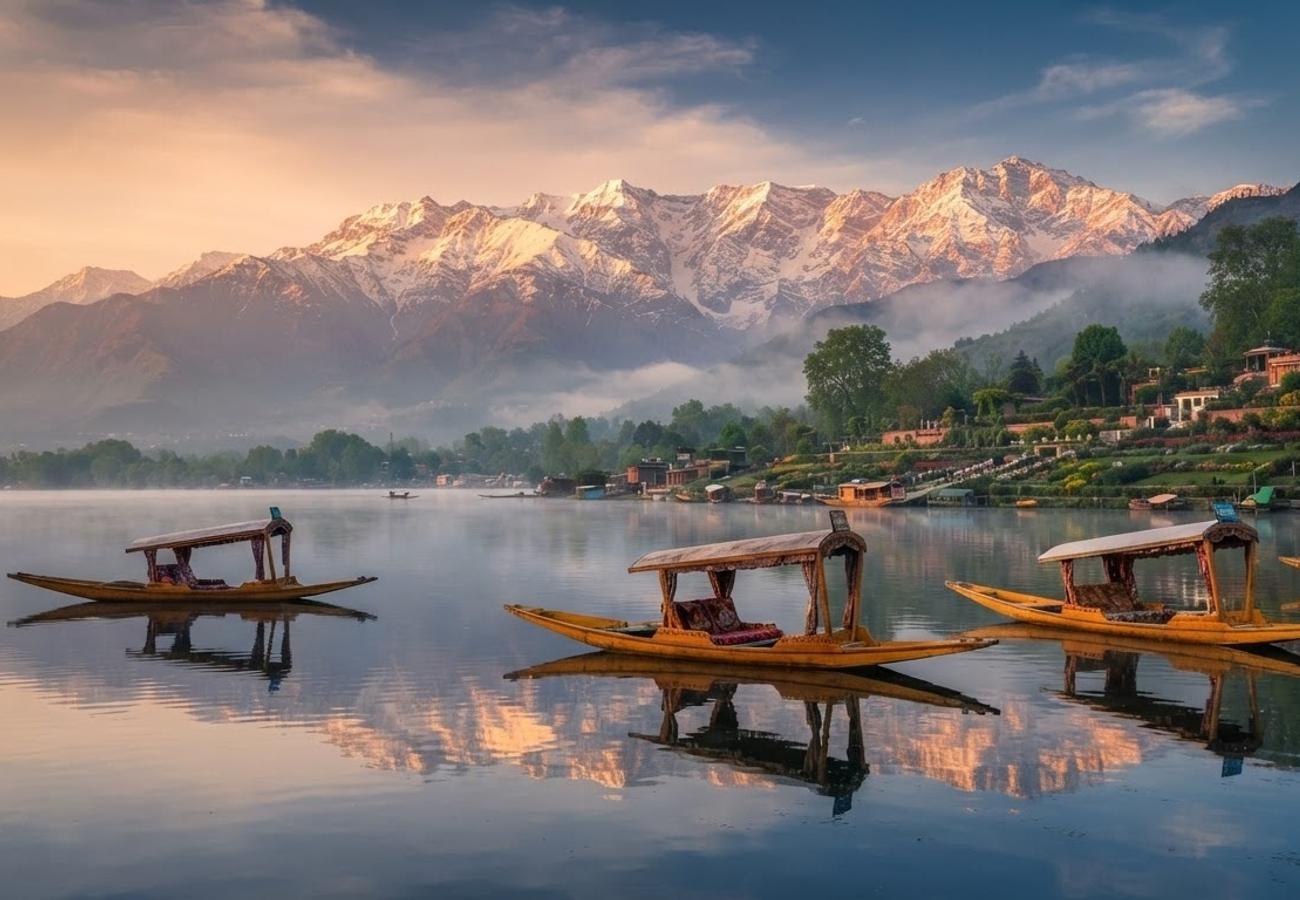
Image generated by AI
Record tourist arrivals and aggressive infrastructure upgrades in Jammu and Kashmir are creating a significant disconnect between ground realities and long-standing United States travel warnings. As regional planners target high-spending international markets, the persistence of restrictive advisories remains a primary strategic hurdle.
The United States State Department currently maintains a specific warning urging citizens not to travel to the Union Territory of Jammu and Kashmir, with the exception of the eastern Ladakh region and its capital, Leh. While the general advisory for India is set at a moderate Level 2 ("exercise increased caution"), the specific restrictions for Kashmir cite risks of terrorism and civil unrest. These cautions have remained largely intact for over two decades, rooted in security incidents from the 1990s and early 2000s.
Surge in Visitor Volume and Market Growth
Despite these legacy perceptions, the region is experiencing an unprecedented boom in tourism. Data indicates a sharp post-pandemic recovery with a significant increase in both domestic and international footfall.
- Total Arrivals (2024): More than 23 million tourist visits.
- Comparative Growth: Total arrivals reached approximately 2.36 crore in 2024, up from 2.11 crore the previous year.
- Kashmir Valley Specifics: Nearly 3 million tourists visited the Valley alone in 2024, breaking previous records.
- International Growth: Foreign arrivals rose from fewer than 2,000 in 2021 to over 65,000 by 2024.
- Regional Distribution: The Jammu region accounted for the bulk of the traffic, attracting over 20 million visits in 2024, driven largely by the Vaishno Devi shrine.
Infrastructure Investment and Strategic Repositioning
To sustain this growth and attract long-haul travelers from North America and Europe, the region has invested heavily in physical and service infrastructure.
Under the Swadesh Darshan “Himalayan Circuit” scheme, projects valued at more than 500 crore rupees have reached physical completion. These investments focused on:
- Upgrading access roads and waterfront promenades.
- Installing wayfinding infrastructure around heritage sites and major lakes.
- Developing all-season circuits to include skiing and snowboarding in Gulmarg, alongside river rafting and trekking.
Tourism Performance Data (2024)
| Metric | Value / Figure | Note |
|---|---|---|
| Total Tourist Visits | 23 Million+ | Record high for the Union Territory |
| Total Arrivals (Crores) | 2.36 Crore | Increase from 2.11 Crore in 2023 |
| Kashmir Valley Visitors | ~3 Million | Record-breaking leisure travel |
| International Arrivals | 65,000+ | Up from <2,000 in 2021 |
| Jammu Region Visits | 20 Million+ | Heavily driven by pilgrimage sites |
| Infrastructure Investment | 500+ Crore Rupees | Swadesh Darshan Himalayan Circuit |
Why This Matters: The Gap Between Data and Diplomacy
From a logistical perspective, the disparity between 23 million actual visitors and a "Do Not Travel" advisory creates a fragmented market. For the high-net-worth traveler, the US State Department advisory is not just a suggestion; it is a trigger for travel insurance invalidation and corporate liability.
Our analysis of the route map and visitor trends suggests that while domestic demand is insulating the local economy, the "glass ceiling" for international growth is diplomatic, not operational. The region has successfully upgraded its hardware (roads, hotels, cable cars), but it has not yet updated its global "security brand."
For travelers, the real impact is a reliance on anecdotal evidence and social media over official government guidance. This creates a risk profile where visitors may enter the region without the full context of the State Department's caution, despite the visible presence of millions of other tourists.
Industry Outlook
The US government typically prioritizes long-term security patterns over short-term tourism spikes. Consequently, a softening of the advisory is unlikely to be triggered by visitor numbers alone.
Industry observers expect the US to maintain its current stance until there is a sustained period of stability corroborated by independent international reporting and improved India-Pakistan bilateral relations. The immediate focus for Kashmir's planners will remain on diversifying the domestic segment and targeting markets whose home governments maintain less restrictive advisories than the United States.
The tension between record-breaking tourism and legacy warnings defines the current era of Kashmiri travel.
Related Travel Guides
Disclaimer
This article is for informational and educational purposes only. It does not constitute legal, financial, or professional advice. While we strive to provide accurate and up-to-date information, travel policies, regulations, and conditions change rapidly. Always verify information with official sources before making travel decisions. Nomad Lawyer makes no representations about the accuracy, reliability, completeness, or suitability of the information provided. Readers should consult qualified professionals for advice specific to their circumstances. The views expressed in this article are those of the author and do not necessarily reflect the views of Nomad Lawyer.
Kunal K Choudhary
Co-Founder & Contributor
A passionate traveller and tech enthusiast. Kunal contributes to the vision and growth of Nomad Lawyer, bringing fresh perspectives and driving the community forward.
Learn more about our team →