
Jordan 2026: Petra Adventures, Wadi Musa Budget Hotels, and Middle East Tours Surge
Jordan emerges as a premier Middle East destination with uncrowded Petra experiences, affordable Wadi Musa accommodations under £50/night, and curated regional tours reshaping traveler expectations.

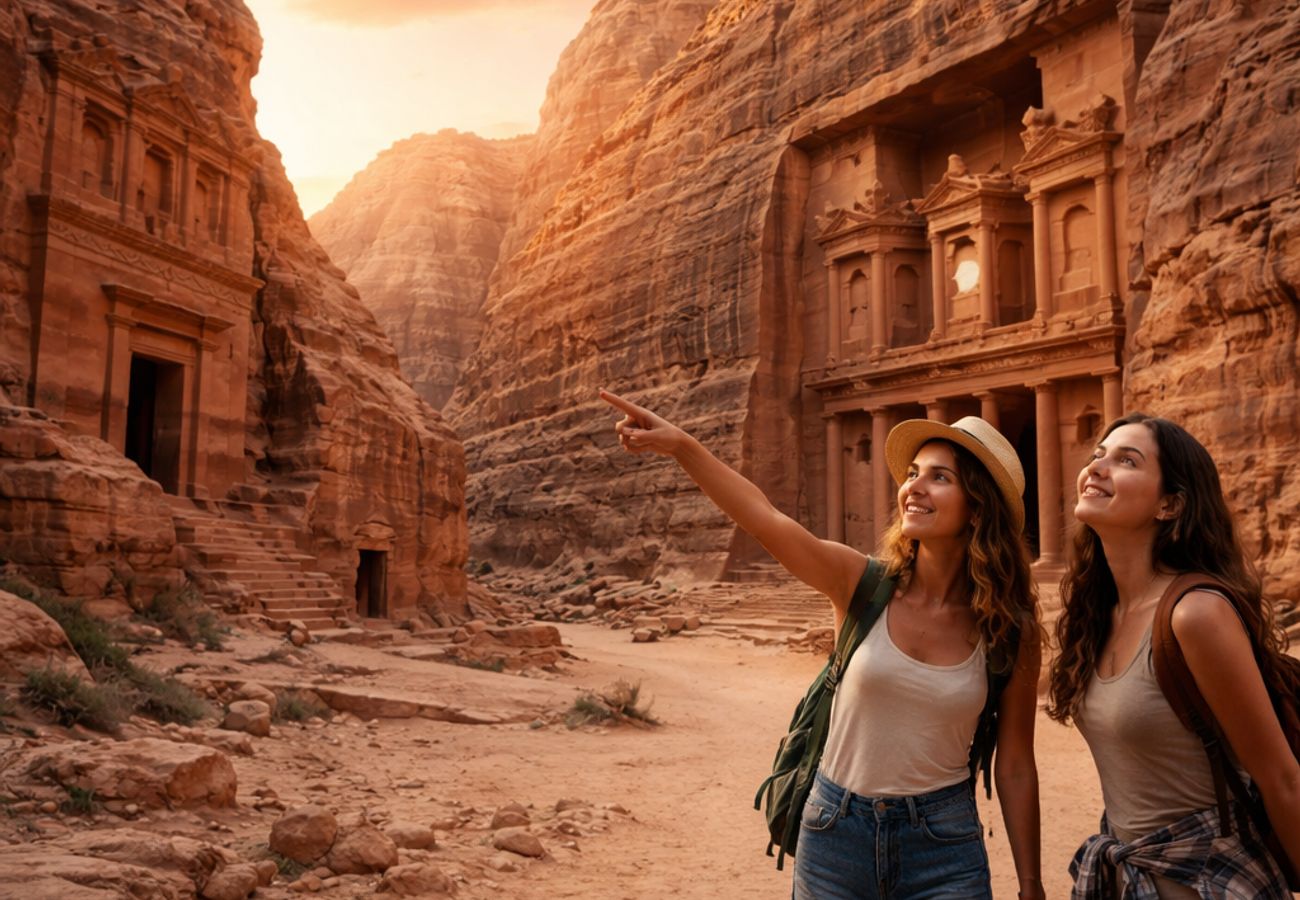
Image generated by AI
Jordan Is Quietly Becoming the Middle East's Best-Kept Travel Secret
Something remarkable is happening in Jordan right now. After years of regional uncertainty, the country is experiencing a tourism renaissance—but here's the twist: without the crushing crowds that typically plague iconic destinations.
Petra, the UNESCO World Heritage site carved into rose-colored rock, is drawing visitors again. But this time, travelers can actually experience it. The Treasury and Al Siq canyon are no longer packed shoulder-to-shoulder with tour groups. The ancient pathways feel almost contemplative.
I spent time researching what's driving this shift, and the answer is straightforward: improved safety conditions, aggressive international marketing, and relaxed travel advisories from major Western nations have repositioned Jordan as a destination where exploration feels genuine again.
Why Wadi Musa Hotels Are the Most Underrated Accommodation Play in the Middle East
The gateway town of Wadi Musa has undergone a quiet transformation. This isn't luxe tourism marketing—it's practical, smart infrastructure development.
Boutique three-star hotels now dominate the accommodation landscape. More importantly: you can sleep comfortably for under £50 per night. That's not budget hostels either. These are proper hotels with reliable amenities, traditional Jordanian dining, and direct transport links to Petra's main entrance.
Reddit: "Stayed in Wadi Musa for four nights at a lovely guesthouse, total cost £180 including meals. Petra access was literally a 10-minute walk from my hotel. Can't believe how affordable this is compared to European tourist traps." — r/travel
What makes this pricing revolutionary is when it's happening. As most Middle East destinations raise rates, Jordan is maintaining affordability while upgrading service standards. Hotels feature air conditioning, WiFi, hot water, and multilingual staff—essentials that didn't always exist five years ago.
The town itself has evolved. Local restaurants serve authentic Jordanian cuisine. Transport connections to nearby attractions are seamless. This infrastructure removes logistical friction that typically frustrates budget-conscious travelers.
Beyond Petra: Eight-Day Tours Reshape Middle East Itineraries
Here's where Jordan's positioning gets interesting: it's no longer just a Petra destination. Travel operators have created integrated regional packages that bundle Petra with the broader Middle Eastern experience.
Eight-day tour packages now typically include:
- Petra exploration (2-3 days minimum)
- Wadi Rum desert experiences (Bedouin camps, jeep expeditions, stargazing)
- Dead Sea wellness retreats (mineral-rich waters with documented health benefits)
- Jerash archaeological site (one of the finest Roman cities outside Italy)
These curated packages eliminate the logistical nightmare of self-navigating multiple countries. Travelers get integrated experiences—history, culture, wellness, adventure—within a single coherent itinerary.
Tour operators have essentially solved the "Middle East multi-country dilemma" by keeping tourists within Jordan's borders while delivering diverse, premium experiences. Royal Jordanian Airlines continues maintaining consistent regional connectivity to Amman, connecting major European and Asian hubs.
Safety Conditions and International Advisories: The Quiet Catalyst
The elephant in the room: regional stability concerns deterred visitors for years. But that narrative is shifting.
International travel advisories from the UK Foreign Office and US State Department have gradually eased restrictions. Airlines resumed consistent service. Insurance companies normalized coverage. These administrative changes—barely covered by travel media—represent the actual mechanism enabling this tourism recovery.
This isn't about "danger disappearing." It's about perceived risk declining to levels that match other popular destinations. EU citizens now plan Jordan trips with the same confidence they reserve for Turkey or Egypt.
The Cultural Authenticity Factor: Why Jordan Feels Different
Mass tourism often destroys what makes destinations valuable. Jordan is consciously avoiding this trap.
Petra functions as a living heritage site, not a museum ruin. Local craftspeople still work in surrounding communities. Bedouin culture persists in Wadi Rum, where jeep tours and camp experiences engage visitors with actual traditions rather than performative tourism theater.
The Dead Sea region has embraced wellness tourism thoughtfully—spas and retreats built around documented mineral benefits rather than invented luxury.
Reddit: "The guide at Wadi Rum was a Bedouin whose family has lived there for generations. He shared actual stories about the landscape instead of reading from a script. That's what made it real." — r/travel
This cultural engagement creates meaningful traveler experiences. Visitors aren't just collecting Instagram shots; they're genuinely learning.
Sustainability Practices: Responsible Tourism as Competitive Advantage
Jordan has integrated eco-friendly practices into mainstream tourism. This isn't greenwashing.
Walking tours minimize impact on fragile archaeological sites. Desert excursions use designated routes. Community-driven experiences ensure tourism revenue reaches local residents—not just multinational hotel chains. Travelers can support artisan markets and participate in actual conservation efforts.
This approach differentiates Jordan from mass-tourism destinations where environmental degradation is the cost of popularity.
Why Now Is the Optimal Time to Visit
The convergence of factors is notable:
- Reduced crowds mean more intimate Petra experiences
- Affordable pricing hasn't been this competitive in years
- Infrastructure improvements eliminated logistical frustrations
- International confidence in safety has normalized
- Curated packages remove planning burden
- Authentic cultural engagement remains genuine
For budget travelers, families, solo adventurers, and cultural explorers, Jordan represents exceptional value. The destination hasn't yet experienced the pricing escalation that inevitably follows tourism recovery—but that window won't remain open indefinitely.
Travel agencies can now book Jordan with minimal friction. Itineraries are standardized. Transport is reliable. Accommodation is comfortable. Safety is reasonable. Prices are fair.
This combination rarely aligns. When it does, destinations fill up fast.
Jordan's moment has arrived—and savvy travelers are recognizing it before everyone else.
Related Travel Guides
Tourism Plans Scale Back: U.S. Reverses Social Media Collection Policy
Egypt Passenger Chaos: 1,079 Flights Axed Across Middle East
Disclaimer
This article is for informational and educational purposes only. It does not constitute legal, financial, or professional advice. While we strive to provide accurate and up-to-date information, travel policies, regulations, and conditions change rapidly. Always verify information with official sources before making travel decisions. Nomad Lawyer makes no representations about the accuracy, reliability, completeness, or suitability of the information provided. Readers should consult qualified professionals for advice specific to their circumstances. The views expressed in this article are those of the author and do not necessarily reflect the views of Nomad Lawyer.
Raushan Kumar
Founder & Lead Developer
Full-stack developer with 11+ years of experience and a passionate traveller. Raushan built Nomad Lawyer from the ground up with a vision to create the best travel and law experience on the web.
Learn more about our team →