
JFK Delays Send Shockwaves Across U.S. Domestic Network in April 2026
JFK Airport's spring delays send shockwaves through the U.S. domestic network in 2026, disrupting over 3,000 flights daily. Capacity constraints, staffing shortages, and weather collide to test aviation infrastructure limits.

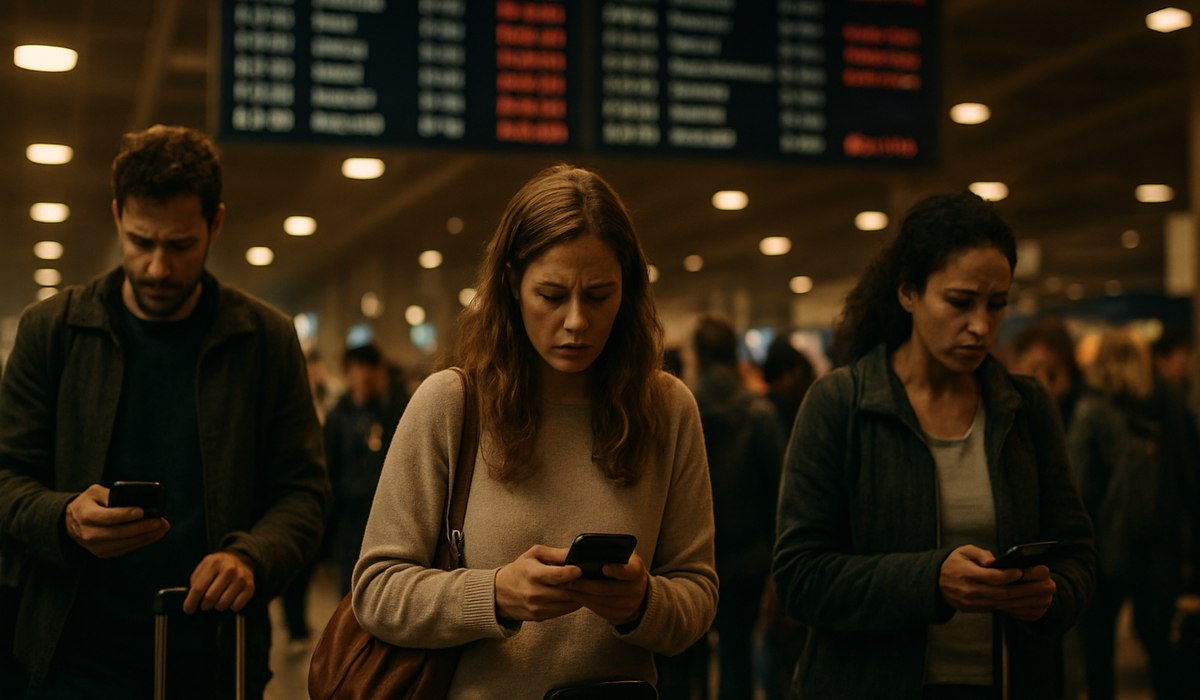
Image generated by AI
Spring Delays at JFK Send Shockwaves Nationwide
John F. Kennedy International Airport is experiencing severe operational strain this spring, with cascading flight disruptions affecting the entire U.S. domestic network. On a single day in early April 2026, more than 3,000 flights faced delays across major carriers, with JFK consistently ranking among the hardest-hit metropolitan areas. The New York hub recorded over 130 late departures and arrivals in one operational day, plus multiple cancellations that pushed aircraft and crews outside planned rotations. What started as localized congestion at the East Coast's busiest airport has rippled across time zones, straining capacity at Los Angeles, Seattle, Orlando, Atlanta, Chicago, and Houston. This cascading effect reveals how fragile U.S. aviation infrastructure remains when weather, staffing constraints, and packed schedules collide during peak travel seasons.
JFK Bottlenecks Trigger Nationwide Knock-On Delays
The operational data tells a sobering story about flight disruptions unfolding across interconnected networks. While 130 delayed flights per day might seem modest against holiday meltdowns, aviation analysts emphasize that even modest disruption at a slot-constrained airport like JFK creates domino effects. When aircraft miss planned rotations, crews fall out of sequence, and cancellations cascade into subsequent flights across multiple regions.
Historical performance data from 2025 showed roughly 25 percent of JFK departures running late, with cancellations approaching 2 percent. The 2026 spring period has already exceeded these benchmarks. A quarter-century of capacity constraints at New York's three major airports (JFK, LaGuardia, Newark) has created structural vulnerabilities that no single policy fix has resolved. When demand spikes meet constrained runway throughput, even routine operational stresses trigger multi-hub deterioration. Travel tracking platforms document that this week's disruptions are not isolated—they represent a systemic pattern affecting the backbone of the U.S. domestic network. For remote workers and digital nomads planning spring relocations or business trips, these patterns demand careful itinerary planning and flexibility. Check FlightAware for real-time delay tracking before booking connections through New York hubs.
Multi-Hub Pattern Reveals Network Fragility
The geographic spread of April 2026 delays exposes underlying fragility in how U.S. aviation depends on a handful of heavily used gateways. When one hub experiences staffing shortages or weather disruption, the ripple effects reach secondary and tertiary hubs within hours.
Operational advisories from the FAA indicate that controllers at New York facilities are stretched thin. The Federal Aviation Administration has publicly acknowledged that air traffic control staffing in the region remains below targeted levels, with no expectation of full staffing until after 2026 concludes. This structural constraint forces regulators to impose caps on takeoffs and landings per hour at JFK, LaGuardia, and Newark, directly limiting airline scheduling flexibility.
The FAA's Air Traffic Control System Command Center issued operational advisories this week referencing potential ground stops or formal delay programs at JFK after late afternoon peaks, citing staffing triggers as primary catalysts. These internal planning notes reveal how constantly New York airports operate at the edge of controller capacity. Airlines responded by trimming or consolidating some flights, yet demand remains strong enough that delays persist. This creates a visibility problem for travelers: official capacity appears adequate on paper, but actual throughput remains constrained. Nomads and business travelers should monitor FAA updates and plan New York connections with 3-hour buffers rather than standard 2-hour connections.
Staffing Constraints and FAA Measures Keep New York Under Pressure
Beneath the surface delays lies a critical staffing shortage that has been building for years across New York airspace. The Federal Aviation Administration confirmed that controller staffing across the region's facilities remains below full-strength targets. Waiver documents and operational orders made public in recent months indicate authorities do not expect to reach full staffing levels at New York air traffic control centers until after December 2026 at earliest.
To manage operational risk under these constraints, the FAA has maintained strict caps on operations at all three major New York airports. These slot restrictions limit scheduled takeoffs and landings per hour, effectively capping how many passengers these airports can serve during peak periods. Airlines have responded with flight consolidations and schedule trims, yet passenger demand for spring travel remains robust enough to overwhelm available capacity.
Earlier policy measures—including relaxed slot use rules and extended temporary waivers—were designed to reduce congestion and give airlines scheduling flexibility without losing valuable slots. Despite these accommodations, performance statistics show that constrained runway throughput combined with ongoing staffing gaps has left all three New York airports vulnerable to rapid operational deterioration when external stresses occur. A single weather event, mechanical issue, or security incident can trigger cascading delays across the entire network. This structural vulnerability persists regardless of weather conditions, making it a baseline risk factor for spring travelers.
Spring Weather and TSA Strains Add to the Turbulence
April's operational challenges extend beyond airport capacity constraints. Unsettled spring weather patterns have triggered multiple ground delay programs across eastern U.S. hubs during the past two weeks. Storms and high winds forced ground delays at JFK, LaGuardia, and Newark simultaneously on at least one heavily impacted day, compounding the effects of existing capacity limits.
These weather systems arrived as airports continued recovering from a severe March blizzard and earlier winter storms that had already exposed how quickly adverse conditions trigger multi-day recovery challenges. Spring weather volatility in the Northeast traditionally impacts operations for weeks, and 2026 appears to be following that pattern.
On the ground, Transportation Security Administration (TSA) checkpoints have emerged as a separate critical choke point. Extended screening waits at major hubs—including documented periods where security queues stretched well beyond normal peak volumes—have fed directly into departure delays. TSA staffing challenges during peak morning and late afternoon surge periods have particularly affected New York airports. Travelers report security lines periodically requiring 45-60 minute waits, eating into buffer time before scheduled departures.
What Remote Workers and Nomads Should Know
For digital nomads and location-independent professionals, spring travel disruptions at JFK demand strategic adjustments to booking and scheduling practices. These delays are not temporary—they reflect structural capacity constraints that will persist through at least mid-2026.
Key considerations for nomadic travelers:
- Avoid connecting through New York hubs during peak morning (6 AM-9 AM) and evening (4 PM-7 PM) windows when possible
- Build 3-hour connection buffers instead of standard 2-hour connections
- Book midday departures (10 AM-2 PM) when controller staffing is typically at peak and weather windows are clearest
- Consider alternative gateways: Boston Logan, Philadelphia International, or Washington Dulles offer better April reliability
- Stay on top of real-time tracking via FlightAware and airline apps, as schedules may shift multiple times daily
- Review your airline's rebooking policies; some carriers now offer automatic rebooking for delays over 2 hours
The ripple effects of JFK's delays send shockwaves throughout your entire itinerary. A missed connection in Chicago because of a New York departure delay can derail carefully planned business meetings or client site visits. Many remote workers are adding 1-2 day buffers to their travel schedules or shifting professional commitments to virtual meetings when flights are booked through constrained hubs.
Traveler Action Checklist
If you're planning spring travel through or from the Northeast, follow these steps to minimize disruption:
- Check delay history: Visit FlightAware and filter by date and airport
Disclaimer
This article is for informational and educational purposes only. It does not constitute legal, financial, or professional advice. While we strive to provide accurate and up-to-date information, travel policies, regulations, and conditions change rapidly. Always verify information with official sources before making travel decisions. Nomad Lawyer makes no representations about the accuracy, reliability, completeness, or suitability of the information provided. Readers should consult qualified professionals for advice specific to their circumstances. The views expressed in this article are those of the author and do not necessarily reflect the views of Nomad Lawyer.
Kunal K Choudhary
Co-Founder & Contributor
A passionate traveller and tech enthusiast. Kunal contributes to the vision and growth of Nomad Lawyer, bringing fresh perspectives and driving the community forward.
Learn more about our team →