
JetBlue Expands Premium Strategy with Fort Lauderdale Lounge, Signaling Shift Toward High-Margin Revenue Streams
Breaking airline news and aviation industry updates for 2026.

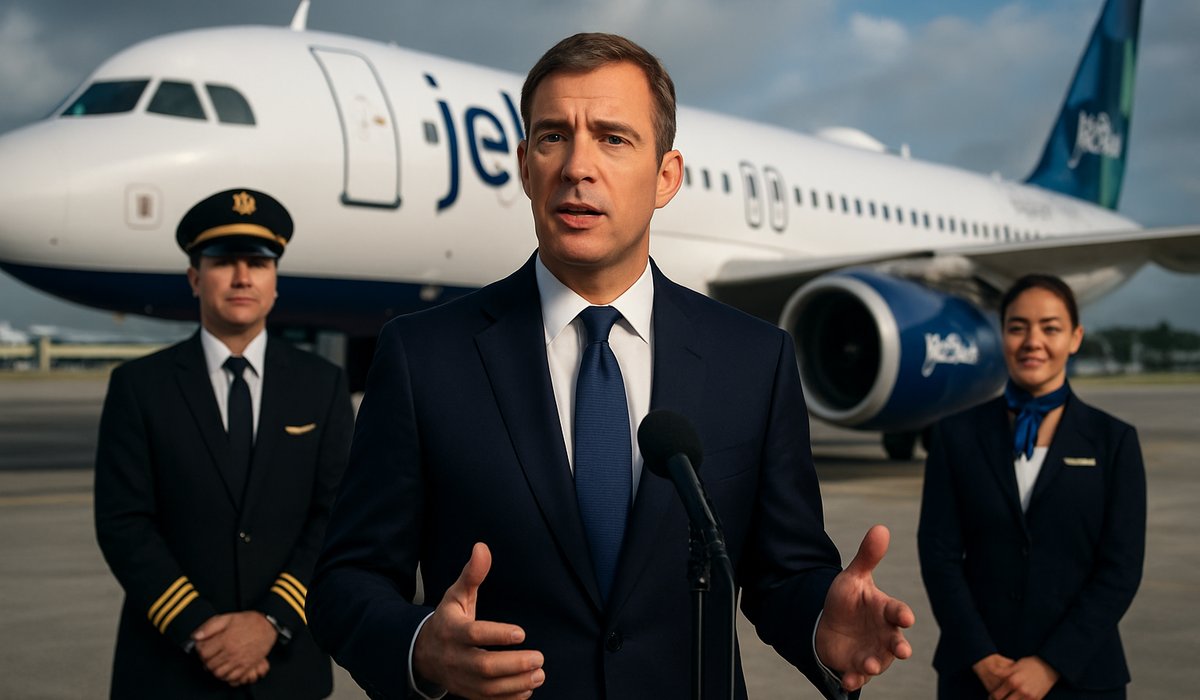
Image generated by AI
JetBlue Expands Premium Strategy with Fort Lauderdale Lounge, Signaling Shift Toward High-Margin Revenue Streams
As legacy carriers prioritize premium offerings, the budget carrier doubles down on ancillary services and loyalty-driven growth
JetBlue Charts Course for Fort Lauderdale Expansion
JetBlue Airways is cementing Fort Lauderdale-Hollywood International Airport as a strategic hub, with company leadership confirming plans for a dedicated airport lounge that executives argue represents a "natural fit" for the carrier's operational and commercial ambitions. The move underscores a fundamental shift in the airline's revenue model, as carriers across the industry increasingly rely on premium cabin upgrades, frequent flyer programs, and airport-based amenities to offset margin pressures.
The announcement comes as JetBlue intensifies its presence at one of Florida's busiest aviation gateways, where the carrier operates a substantial flight network and maintains substantial passenger traffic.
Premium Services Becoming Central to Airline Economics
The Fort Lauderdale lounge initiative reflects a broader industry trend: traditional low-cost carriers are now competing aggressively in the premium segment. Airlines are discovering that ancillary revenue—from seat selection and baggage fees to lounge access and priority boarding—can substantially cushion against volatile jet fuel prices and economic uncertainty.
For JetBlue, which has historically positioned itself as a value carrier, the pivot toward premium offerings signals recognition that modern airline profitability depends less on base fares alone and more on comprehensive revenue optimization across service tiers.
Strategic Importance of Fort Lauderdale Hub
Fort Lauderdale has emerged as a critical operational and commercial anchor for JetBlue's East Coast network. The airport's position as a gateway to Caribbean and Latin American markets, combined with robust domestic connectivity, makes it an ideal location for premium infrastructure investment. A dedicated lounge would enhance customer retention, boost ancillary spending, and strengthen loyalty program value.
Executives emphasized that the facility aligns with the airline's broader commercial trajectory, suggesting capital allocation toward passenger experience improvements that directly influence revenue metrics.
Wider Industry Context
The competitive landscape in US aviation has intensified following years of fuel price volatility and capacity constraints. As legacy carriers like American, Delta, and United continue generating substantial premium cabin revenue, newer entrants and mid-tier carriers like JetBlue are compelled to develop comparable offerings. Lounge access has become a competitive necessity rather than a luxury differentiator.
FAQ: JetBlue, Airport Lounges, and Airline Premium Services
1. Why are airlines investing in airport lounges when they traditionally focus on flight operations? Premium lounges are high-margin revenue generators. They attract loyalty program members, justify premium ticket pricing, and create recurring ancillary revenue independent of fuel costs or fuel prices fluctuations.
2. How does JetBlue's lounge expansion affect airfare and baggage charges for passengers? While lounge access typically involves separate fees or loyalty tier requirements, it doesn't directly impact base fares. However, airlines using lounge revenue to offset operational costs may maintain competitive pricing strategies elsewhere.
3. What makes Fort Lauderdale strategically important for JetBlue's growth? The airport serves as a major Caribbean gateway with strong domestic connections, making it ideal for premium service investment and passenger volume expansion.
4. How do airline fees and ancillary services factor into overall aviation industry profitability? Ancillary revenue—including lounge access, seat selection, and baggage fees—now represents 25-30% of major US carriers' total revenue, making it critical to financial stability.
5. Are other budget airlines following JetBlue's premium service strategy? Yes. The aviation industry-wide trend shows carriers across price segments developing premium cabins and lounge facilities as jet fuel price volatility requires diversified revenue streams.
Related Travel Guides
External Resources
Disclaimer
This article is for informational and educational purposes only. It does not constitute legal, financial, or professional advice. While we strive to provide accurate and up-to-date information, travel policies, regulations, and conditions change rapidly. Always verify information with official sources before making travel decisions. Nomad Lawyer makes no representations about the accuracy, reliability, completeness, or suitability of the information provided. Readers should consult qualified professionals for advice specific to their circumstances. The views expressed in this article are those of the author and do not necessarily reflect the views of Nomad Lawyer.
Preeti Gunjan
Contributor & Community Manager
A passionate traveller and community builder. Preeti helps grow the Nomad Lawyer community, fostering engagement and bringing the reader experience to life.
Learn more about our team →