
Dozens Stranded as Jet2 Plane Departs Without Boarding Group
35 passengers checked in and boarding at Manchester Airport were left stranded in a secure stairwell after their Jet2 aircraft departed without them in April 2026, raising major safety and coordination concerns.

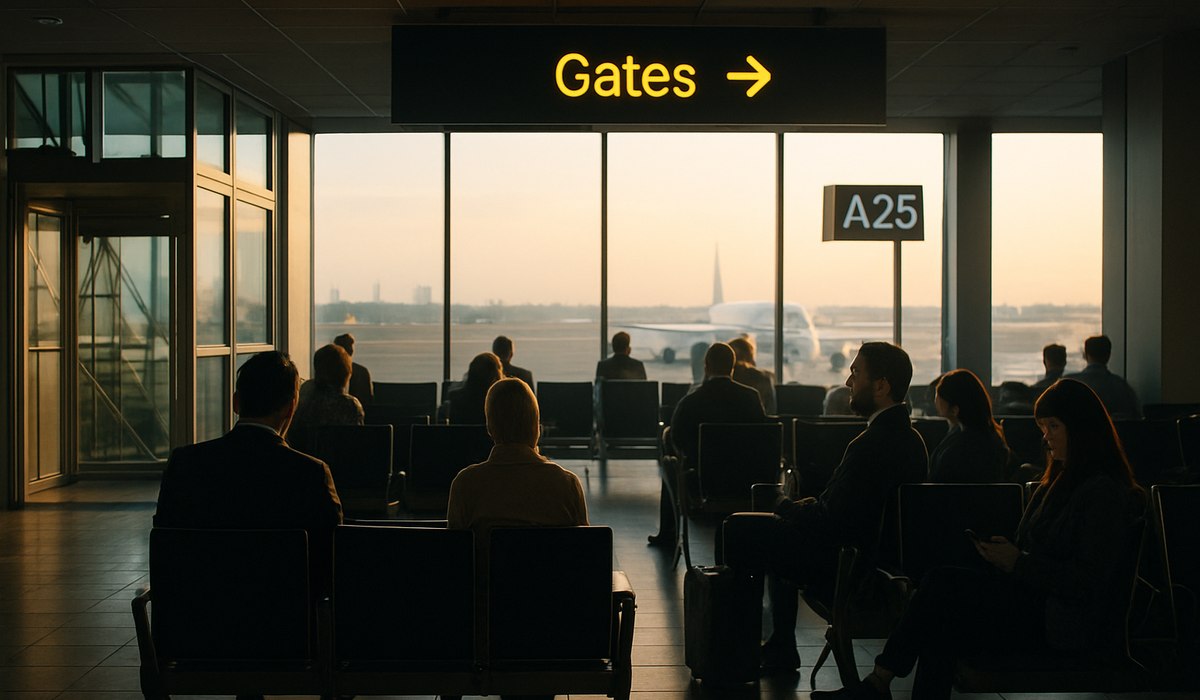
Image generated by AI
Lede
Jet2 passengers experienced a significant boarding coordination failure at Manchester Airport when approximately 35 checked-in travelers were inadvertently left in a secure stairwell while their aircraft departed without them on January 19, 2026. The group had cleared security and been directed toward the aircraft through a terminal-to-apron stairwell, where they remained in confusion as boarding proceeded without them. This incident highlights critical gaps in ground handling procedures and passenger tracking during the boarding process.
What Happened: The Manchester Stairwell Incident
The incident unfolded during what should have been a routine boarding operation for a Jet2 flight bound for Spain from Manchester Airport. Thirty-five passengers from a final boarding group successfully cleared security checkpoints and held valid boarding passes confirming their checked-in status. Airport staff guided them toward the aircraft via an enclosed stairwell that connects the terminal building to the apron, a standard procedure at many major European airports when jetbridges are unavailable or fully occupied.
However, once inside the stairwell, communication appears to have broken down entirely. The passengers waited in the enclosed area, assuming they were in a designated holding zone pending final boarding checks. No staff member provided updates or direction during this extended wait. As boarding continued elsewhere in the terminal, ground handlers and flight crew completed their final procedures without accounting for the missing group.
An airport employee discovered the situation only when accessing the stairwell for routine checks. By that time, the Jet2 aircraft had already pushed back from the stand. All 35 passengers remained airside but separated from their flight, creating a complex situation involving rebooking, compensation determination, and operational review. According to reports from UK aviation outlets, the discovery shocked both passengers and airport staff, as standard boarding protocols should prevent exactly this type of scenario.
Safety Concerns: Lapses in Controlled Zone Monitoring
The most troubling aspect of the dozens stranded jet2 incident centers on how passengers remained unaccounted for in a secure, controlled access area. Terminal stairwells connecting to aircraft aprons are restricted zones where entry and exit logs must be maintained meticulously. Each person who enters should be tracked and reconciled against passenger manifests before departure.
Aviation industry standards require crew members to conduct headcounts before closing aircraft doors. The fact that 35 passengers went unnoticed suggests multiple points of failure occurred simultaneously. Ground handlers may not have communicated final passenger counts to the flight crew. The stairwell monitoring system apparently lacked real-time occupancy tracking. Security procedures that typically oversee controlled zones failed to alert staff when passengers remained inside after boarding closure.
Luggage belonging to some stranded passengers reportedly made it onto the aircraft, according to UK consumer reports. This contradicts fundamental safety protocol: if a passenger does not board, their checked baggage must be removed from the aircraft immediately. This safeguard prevents security risks and maintains weight-and-balance calculations. That luggage may have flown without its owner raises additional questions about cargo reconciliation processes at Manchester Airport.
Industry analysts quoted in aviation trade publications emphasize that such incidents typically result from inadequate staffing, poor inter-departmental communication, or system failures that leave gaps in passenger tracking. At Manchester Airport, where multiple airlines operate simultaneously with adjacent gates, the pressure of managing high passenger volumes may have contributed to the breakdown. Boarding operations during peak hours can overwhelm coordinators when staffing levels fall short of demand.
Passenger Impact and Rights
The 35 affected travelers faced immediate disruption, uncertainty, and potential financial loss. Many had planned connections, family obligations, or business commitments tied to their original flight departure. Being stranded airside—unable to easily retrieve luggage or access airport services—compounded their frustration during the critical hours after the aircraft departed.
Under retained UK air passenger rights regulations based on EU Regulation EC 261/2004, stranded passengers may qualify for assistance and compensation. Entitlements typically include meal and refreshment vouchers, hotel accommodation if rebooking requires an overnight stay, and transportation between the airport and accommodation. The airline must rebook passengers on the next available flight to their destination at no additional cost.
Compensation for denied boarding or flight cancellations caused by airline negligence can reach up to €250 to €600 per passenger, depending on flight distance. However, determining whether the Manchester stairwell incident qualifies as "airline responsibility" versus "airport responsibility" remains contested. Jet2 and Manchester Airport have not publicly disclosed full details of compensation settlements, though consumer advocacy groups have followed the case closely.
Jet2's official passenger support procedures outline these rights in customer documentation available on their website. However, passengers stranded in real-time situations often struggle to navigate compensation claims without legal guidance. The lack of immediate, clear communication during the incident left travelers uncertain about their options and next steps during crucial hours.
Industry Questions Over Ground Handling Procedures
The dozens stranded jet2 situation has triggered sector-wide discussions about boarding operation standards across UK airports. Aviation safety organizations emphasize that controlled access zones must incorporate redundant monitoring systems. Simple solutions include staffed checkpoints at stairwell entrances, real-time occupancy sensors, and mandatory verbal confirmation of passenger counts at multiple points before aircraft departure.
Ground handling companies responsible for coordinating passenger boarding at Manchester Airport face heightened scrutiny. Their staff must maintain clear communication channels with pilots, cabin crew, and gate agents. Many airports now employ boarders—specialized ground staff who physically count passengers boarding and maintain running tallies throughout the process. The absence of robust boarder training or understaffing at Manchester may have contributed to the lapse.
Gate management systems at modern airports should flag discrepancies between expected passenger loads and actual boarding numbers. If a system shows 35 passengers still awaiting boarding when the aircraft is scheduled to depart, alarms should trigger. The failure of such systems—or the failure of staff to monitor them—represents a significant procedural gap.
Jet2 and Manchester Airport stakeholders have likely implemented corrective measures since January 2026, though official statements remain limited. Industry observers anticipate recommendations may include enhanced boarding checklists, improved communication protocols between ground handlers and pilots, designated stairwell monitors during high-traffic periods, and integration of passenger tracking technology into airport operations management systems.
Key Data Table
| Aspect | Details |
|---|---|
| Airline | Jet2 |
| Airport | Manchester Airport, UK |
| Incident Date | January 19, 2026 |
| Passengers Stranded | 35 checked-in travelers |
| Flight Destination | Spain |
| Discovery Method | Airport staff routine stairwell access |
| Stairwell Type | Secure terminal-to-apron access corridor |
| Boarding Pass Status | All passengers held valid boarding passes |
| Luggage Status | Some baggage reportedly loaded on aircraft |
| Applicable Regulations | UK retained EU Air Passenger Rights |
| Compensation Potential | €250–€600 per passenger, plus assistance |
| Contributing Factors | Communication breakdown, monitoring lapse, staffing |
What This Means for Travelers
This incident highlights real vulnerabilities in airport boarding operations that affect everyday passengers worldwide. Here's what you should know:
-
Monitor Your Boarding Status: Don't assume you're on the aircraft once you board a gate area. Listen for final boarding calls and watch for visual confirmation that your flight is loading. If you're directed into a holding area or stairwell, ask staff for an estimated boarding time and updates.
-
Ask Clarifying Questions: When gate agents direct you toward an aircraft, especially via stairs or remote boarding bridges, ask where you'll wait and approximately how long before boarding. This prevents confusion about your location or boarding phase.
-
Know Your Passenger Rights: Familiarize yourself with your airline's and airport's passenger assistance policies before travel. Download airline contact information and keep it accessible. Organizations like Civil Aviation Authority provide clear guidance on UK air passenger entitlements.
-
Document Everything: Take photos of your boarding
Raushan Kumar
Founder & Lead Developer
Full-stack developer with 11+ years of experience and a passionate traveller. Raushan built Nomad Lawyer from the ground up with a vision to create the best travel and law experience on the web.
Learn more about our team →